Introduction
Garden Using Upcycled Pallets And Drought Resistant Plants
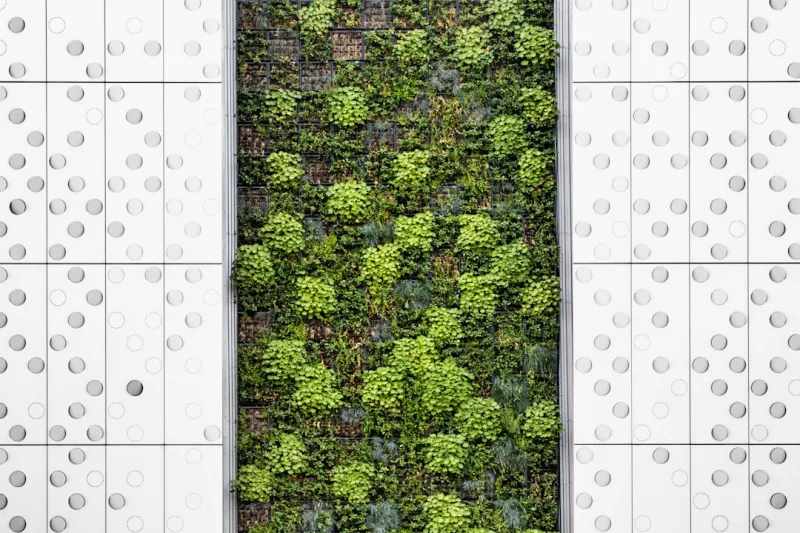
Garden Using Upcycled Pallets And Drought Resistant Plantsbody.navh1.rating.hero-img.share.btn Garden Using Upcycled Pallets And Drought Resistant Plants Garden Using Upcycled Pallets And Drought Resistant Plantsh2.content p Garden Using Upcycled Pallets And Drought Resistant Plants Garden Using Upcycled Pallets And Drought Resistant Plants Garden Using Upcycled Pallets And Drought Resistant Plants Garden Using Upcycled Pallets And Drought Resistant Plantsh2a Garden Using Upcycled Pallets And Drought Resistant Plants Garden Using Upcycled Pallets And Drought Resistant Plantsh2a Garden Using Upcycled Pallets And Drought Resistant Plants Garden Using Upcycled Pallets And Drought Resistant Plantsh2a Garden Using Upcycled Pallets And Drought Resistant Plants Garden Using Upcycled Pallets And Drought Resistant Plantsh2a Garden Using Upcycled Pallets And Drought Resistant Plants Garden Using Upcycled Pallets And Drought Resistant Plantsh2a Garden Using Upcycled Pallets And Drought Resistant Plants Garden Using Upcycled Pallets And Drought Resistant Plantsh2a Garden Using Upcycled Pallets And Drought Resistant Plants Garden Using Upcycled Pallets And Drought Resistant Plantsbody.Nav.Nav ah1.rating-chip.hero-imgh2pulli.social-share.share-grid.btn#fb-root} Garden Using Upcycled Pallets And Drought Resistant Plants Garden Using Upcycled Pallets And Drought Resistant Plantsimgh2.btn-box.btn Garden Using Upcycled Pallets And Drought Resistant Plants Garden Using Upcycled Pallets And Drought Resistant PlantsCreating your own vertical garden using upcycled pallets and Droughtant plants is an environmentally friendly and rewarding . Vertical gardens have gained immense popularity over the years, especially in urban settings where space is limited. They not only enhance the aesthetic appeal of your living space but also serve multiple purposes, including air purification, noise reduction, and even providing you with fresh herbs or vegetables. Why This ? In an era where sustainability is paramount, upcycling
materials
like wooden pallets resonates with Ecoous individuals. Pallets are often discarded after their initial use, yet they can be transformed into stunning and functional garden structures. By using Droughtant plants, you also ensure that your garden remains Lownance, requiring less water and care. This is perfect for beginners who want to venture into gardening without the pressure of constant upkeep. Benefits of a Vertical Garden Space-Saving: Vertical gardens make the most of limited spaces, perfect for patios, balconies, or small yards.Final
- ResultAesthetic Appeal: They provide a unique and visually pleasing way to display plants, adding a touch of nature to any area.
- Environmental Impact: By using upcycled
materials
, you contribute to reducing waste and mote a sustainable lifestyle.
- Accessible Gardening: Vertical gardens are easier to maintain and harvest, especially if you incorporate them at a reachable height.
- Skill Level: This is Beginner-friendly, making it perfect for those new to gardening or DIY. With just a few basic tools and
materials
, you can create a beautiful addition to your home.
Tools Needed
- Saw: A handsaw or jigsaw is necessary for cutting the pallet to your desired size. A sharp blade ensures clean cuts and simplifies the process.Hammer: Used for nailing and securing parts of the pallet. A good hammer that fits comfortably in your hand will make driving nails easier.Screwdriver: For any screws used to secure the pallets or additional structures. A cordless screwdriver can save time and effort.Sandpaper or
- Power Sander: Essential for smoothing rough edges on the pallet to prevent splinters and ensure safety.Drill: A drill is useful for making holes for drainage and securing your pallets to the wall. Having both drill bits and screwdriver bits is ideal.Garden
- Trowel: A small, handheld tool crucial for planting and scooping soil into the pallet’s planters.Measuring
- Tape: Ensures all your cuts are accurate and that the assembly fits the intended planting area.Safety
- Goggles: Always protect your eyes while working with tools, especially when cutting or drilling into wood.
Materials
- Wooden Pallet: 1 or 2, depending on desired size. Make sure the pallets are clean and free of chemicals or pesticides.Landscape
- Fabric: 1 roll, around 3 feet wide. This will line the back of the pallet and allow drainage while keeping soil from spilling out.Staples or
- Staple Gun: 1 set for securing the landscape fabric to the pallet. Strong staples ensure durability.Potting
- Soil: 2 bags, each 20 quarts. Quality potting soil motes healthy root growth and holds moisture.Drought-Resistant
- Plants: 10-15 plants, depending on the pallet size. Options include succulents, lavender, rosemary, and sedum, which are hardy and Lownance.Wooden
- Boards or Slats: Optional, for additional support or aesthetic features.Paint or
- Wood Sealer: If desired, to seal the wood and provide a polished look, while protecting it from weather conditions.Hemp or
- Jute Twine: Optional for tying plants or creating a trellis effect. It also adds a rustic touch.Nails or
- Screws: 1 box, appropriate for the pallet wood. Ensure they are Rustant if the garden will be outdoors.Watering
- Can or Hose: For easy watering after planting and ensuring your garden thrives. Step-by-Step Instructions
Step 1:
Selecting the
- Right Pallet
What: Choose a pallet that is strong and free of chemicals or pesticides. Look for HEatd pallets, often marked with "HT."
How: Check for damaged slats or broken boards. A good pallet should be sturdy and intact, with no signs of rot or extensive damage.
Tips: Use a measuring tape to ensure the pallet fits well in your intended garden space. Ideal size can range from 3 feet tall to 4 feet wide.
Safety: Wear gloves while handling pallets to protect your hands from splinters and sharp edges.
Step 2:
Preparing the
- Pallet
What: Clean and sand the pallet to remove rough spots and prevent splinters.
How: Use sandpaper or a power sander to smooth out any rough edges. Wipe the pallet down with a damp cloth to remove any dust.
Tips: If you are painting or sealing the pallet, do this after sanding for a smooth finish. Allow the paint or sealer to dry thoroughly.
Safety: Wear a dust mask while sanding to avoid inhaling wood dust, and use safety goggles to protect your eyes.
Step 3:
Adding
- Landscape Fabric
What: Line the back and sides of your pallet to prevent soil from falling through.
How: Cut the landscape fabric to fit the dimensions of your pallet. Staple it securely to the pallet, ensuring that it is tight across the wood.
Tips: Leave extra fabric at the top to fold over the soil as an additional layer. This will help retain moisture.
Safety: Use the staple gun carefully to avoid pinching fingers. Ensure the staples are driven in firmly to prevent soil loss.
Step 4:
Positioning the
- Pallet
What: Decide where to mount or place your vertical garden.
How: If hanging on a wall, use a level to ensure it’s straight. If resting on the ground, position it against a sunlit area.
Tips: Consider using brackets or wall anchors for added stability when mounting. If freestanding, ensure the base is secure and stable.
Safety: For wall mounting, use a stud finder to locate support beams for secure anchoring. If using screws, make sure to wear goggles during drilling.
Step 5:
Filling with
- Potting Soil
What: Prepare the pallet for planting by filling it with soil.
How: Begin filling from the top row, working your way down to minimize soil spillage. Pack the soil lightly to prevent it from settling after watering.
Tips: Leave about an inch of space at the top to accommodate plants and prevent soil from falling out during watering.
Safety: If you're lifting heavy bags of soil, bend your knees and keep your back straight to avoid injury.
Step 6:
Choosing and Planting Drought-Resistant
- Plants
What: Select suitable plants that thrive in your climate and are Droughtant.
How: Research your choices, considering the amount of sunlight your garden will receive. Plant them in the soil, ensuring roots are well-adapted.
Tips: Arrange taller plants in the center and shorter ones around the edges to create visual depth. Space the plants based on their growth needs.
Safety: Ensure that any tools used for planting are handled properly, and avoid sharp objects when working near open soil.
Step 7:
Watering and
- Maintenance
What: Water your plants thoroughly after planting.
How: Use a watering can or hose to ensure all sections receive adequate moisture. Be careful not to overwater, as drainage is crucial.
Tips: Check the soil moisture every few days, especially in the initial weeks. Adjust watering frequency based on weather conditions.
Safety: Avoid heavy lifting and ensure a stable stance when watering overhead. Always turn off hoses or water systems after use.
Step 8:
Adding
- Finishing Touches
What: Enhance the beauty and functionality of your vertical garden.
How: Consider adding decorative elements such as fairy lights or a trellis for climbing plants
Paint or seal the pallet if not done already.
Tips: Personalize your garden with decorative stones or ornaments to create a unique look.
Safety: Ensure that any decorations used are secure, particularly if placed in Highc areas or outdoors.
Step 9:
Regular
- Upkeep and Observation
What: Monitor your vertical garden for pests, diseases, and plant health.
How: Regularly check for infestations or wilting and address issues mptly. Prune dead leaves and spent blooms as needed.
Tips: Keep notes on which plants perform well and which do not, aiding future planting decisions.
Safety: Avoid inhaling dust or fumes if applying pest treatments and follow the safety instructions on any ducts used.
Step 10:
Enjoying
- Your Vertical Garden
What: Utilize and appreciate your vertical garden space.
How: Invite friends over to enjoy your creation. Use the herbs or vegetables in cooking, if applicable.
Tips: Regularly update your plants based on seasons or growth patterns. Experiment with new plants to keep your garden fresh.
Safety: Be cautious of any allergies you or your guests may have regarding plants selected.
2026 •