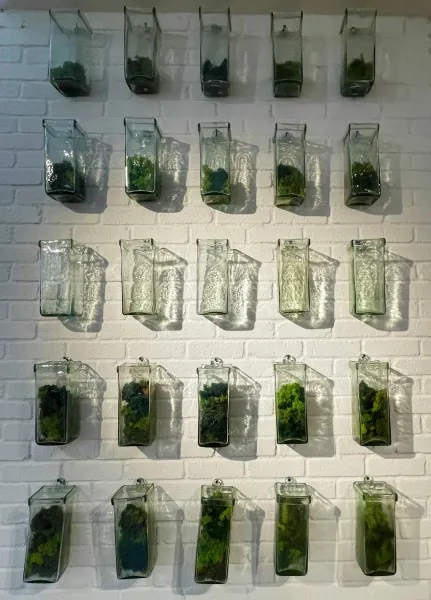
Introduction
Create An Indoor Vertical Garden With Repurposed Plastic Bottles And Led Grow Lights
indoor vertical garden is an ideal solution to bring nature indoors, even when space is limited. Not only do indoor gardens enhance aesthetic appeal, but they also improve air quality, reduce stress, and provide a sustainable way to grow herbs, vegetables, and decorative plants.This DIY using repurposed plastic bottles is not just eco-friendly, but it also reduces waste that would otherwise contribute to landfills. Choosing to use LED grow lights instead of traditional lighting solutions combines efficiency with effectiveness, allowing plants to thrive regardless of external light conditions. With the right approach, growing your own food and plants can be a rewarding and Costive endeavor.Skill
- Level: Beginner to Intermediate. This is designed for individuals with limited experience in gardening or DIY . No advanced tools are required, and written instructions guide you through each phase, emphasizing creativity and sustainability.
Tools Needed
- Scissors or Utility Knife: To cut the plastic bottles to the desired size. A utility knife provides more precision, while scissors are easier to handle for beginners.Drill with a
- Small Bit: Ideal for creating drainage holes in the bottles. Without proper drainage, your plants can suffer from overwatering.Ruler or
- Measuring Tape: Allows you to measure dimensions, ensuring you maintain an even layout in your garden.Marker: To mark where you'll cut or drill, allowing for accuracy and reduced waste.Twine or
- Wire: Essential for hanging your bottles vertically
Twine provides a rustic touch, while wire is robust and durable.Growing
- Medium (Potting Soil): A Highy potting soil is crucial for plant health and successful growth.LED Grow
- Lights: These Energyent lights provide the necessary spectrum for photosynthesis, essential for healthy plant growth indoors.Plant
- Seeds or Seedlings: Your choice of plants that thrive indoors; herbs like basil, parsley, and decorative plants like ferns are great starters.
Materials
- Plastic Bottles: 6-12 (various sizes, ideally 1-2-liter bottles).Porous
- Potting Mix: 2-3 bags, based on size and bottle number.
- Nutrients for Plants: 1 bag of
- Slowe fertilizer
- Twine or Wire: 50 feet (adjust for height and number of bottles).
- LED Grow Lights: 1-2 depending on your garden size.
- Drilling Lubricant: A minimal amount may be necessary if using a drill to ease the process.
- Watering Can or Spray Bottle: For easy watering and moisture control. protective
- Gear: Gloves and goggles, especially when using sharp tools.Steps to Create Your Indoor Vertical Garden#Gather Your Tools and
Materials
Begin by collecting all your tools and
materials
in one place. This makes for a smoother workflow and lessens the chance of misplacing items. Ensure you have a clean working surface to avoid distractions. This initial organization phase sets the tone for an enjoyable DIY experience.
Tip: If you're uncertain about your tools, practice cutting and drilling on a scrap piece of plastic to gain comfort and technique. Safety should be prioritized, so wearing gloves is recommended.#Prepare the Plastic BottlesTo transform plastic bottles into planters, first, remove any labels to create a clean surface. Next, use your ruler and mark where you intend to cut the bottles. A general guideline will be to cut one-third from the bottom to allow enough depth for plant roots.
How: Carefully cut along your marked lines using scissors or a utility knife. If using a utility knife, apply a steady, gentle pressure to avoid slipping and resulting in unnecessary injury.
Tip: Save the bottom parts you cut off; they can serve as drip trays for your garden or even additional planters if necessary.#Create Drainage HolesNow that your bottles are cut, it’s crucial to make holes for drainage. Plants need proper drainage to prevent root rot. Using a drill with a small bit, create 3-5 holes in the bottom of each bottle.
How: Position the drill at an angle to avoid cracking the plastic. If you can’t drill, an alternative is to heat a screwdriver and pierce the bottle—the heat will facilitate a cleaner hole.
Tip: Make certain the holes are evenly spaced; this will allow for even drainage and can help in watering efficiency.#Decorate the Bottles (Optional)If you wish to personalize your garden, consider painting or wrapping the bottles in jute twine or fabric. This way, they can match your home decor and be a conversation starter.
How: Use non-toxic spray paint or acrylic paint for even coverage. Applying a primer first can enhance paint adherence.
Tip: If you choose to decorate, ensure that you apply the paint on the exterior to keep the interior’s soil health intact.#Assemble the Vertical StructureTo create your vertical garden, choose a wall or free space where you can hang your bottles. For a freestanding garden, consider repurposing a wooden pallet or building a simple frame from wood or metal.
How: Use twine or wire to attach the bottles securely. Space the bottles adequately to ensure easy access to each for care and harvesting.
Tip: Consider the weight of the moist soil and plants when mounting your structure; reinforce it if needed to avoid accidents.#Fill the Bottles with SoilWith your vertical garden structure ready, it’s time to fill the bottles with potting soil. Aim for a depth that allows for good root expansion, ensuring you leave some space at the top to add plants.
How: Gently pack the potting mix into the bottles, leaving enough room for plants on top.
Tip: Make sure to mix in Slowe fertilizer with the soil to mote healthy growth and minimize the frequency of additional nutrient applications.#Plant Your Chosen Seeds or SeedlingsNow comes the fun part—planting! Choose herbs, small vegetables, or other plants that thrive in your chosen indoor environment.
How: Create small holes in the soil and plant seeds or seedlings. For seeds, adhere to the recommended planting depth on seed packets.
Tip: If you’re planting multiple varieties, label each bottle with the plant’s name to keep track of your garden and take notes on care.#Install LED Grow LightsTo ensure your plants receive adequate light, install LED grow lights above or around your vertical garden.
How: Follow the manufacturer’s instructions to mount your lights correctly for optimal coverage. Aim for 12-16 hours of daily light on your plants, adjusting based on their specific requirements.
Tip: Use a timer to automate the lighting schedule; consistency motes healthy growth and can save you time.#Watering and MaintenanceOnce planted, water your garden thoroughly but carefully. Ensure moisture reaches the roots without Overting, which can lead to root rot.
How: Depending on plant needs, you can water with a watering can or spray bottle. Regularly check the moisture level of the soil by sticking your finger in to feel for dampness.
Tip: Early morning is generally the best time to water. It allows moisture to be absorbed before the heat of the day, minimizing evaporation.#Monitor Growth and Adjust ConditionsKeep an eye on your plants over the days and weeks following your garden’s creation. Note their growth patterns, health, and overall satisfaction with their environment.
How: Check for signs of overwatering (yellow leaves or mold) or lack of nutrients (slow growth, pale leaves). Adjust water or fertilizer as necessary.
Tip: Make notes on the gress, touching on what works well and what adjustments may be needed—a gardening journal can be a valuable tool for references and improvements.
2026 •