How to create an indoor vertical garden using repurposed shipping pallets and LED grow lights
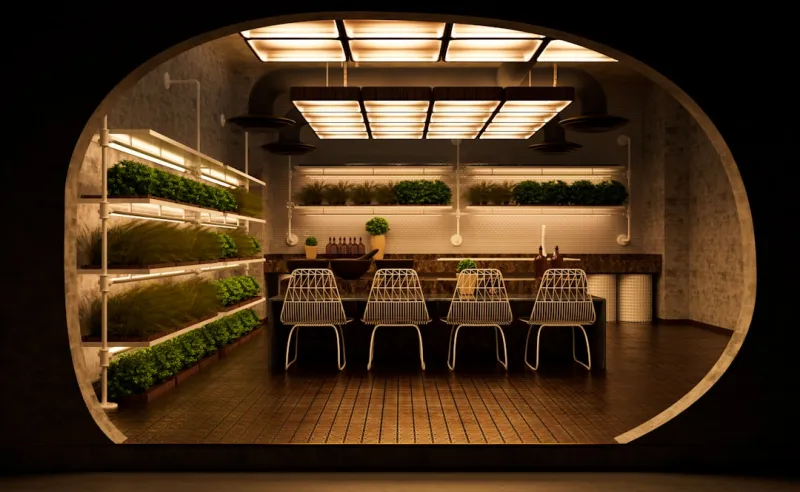
Creating your own indoor vertical garden is not just a trendy activity; it's a rewarding way to grow your own food, enhance your living space, and engage with nature—no matter where you live. By using repurposed shipping pallets and energy-efficient LED grow lights, you can transform your indoor environment into a lush oasis of greenery. This DIY project is not only cost-efficient but also eco-friendly, as it gives new life to discarded shipping pallets, reducing waste and your environmental footprint.
Vertical gardening is a great solution for those with limited space. With a well-designed vertical garden, you can grow various herbs, vegetables, and ornamental plants right in your home, all while maximizing your available square footage. Furthermore, the presence of plants can improve air quality and create a more inviting atmosphere in your home. The use of LED grow lights enables you to provide the ideal light spectrum for plant growth, regardless of the natural light conditions in your indoor environment.
This project is accessible to beginners, as it requires only basic woodworking skills and a little creativity. If you can use a drill and a saw, you are well on your way to constructing your own stunning indoor vertical garden! So, gather your supplies and let’s get started on this enriching journey of self-sufficiency and creativity.
Tools Needed
1. Drill - A drill is essential for making holes for screws and assembly. A cordless drill is particularly handy for maneuverability.
2. Saw (Circular or Hand Saw) - You’ll need a saw to cut the pallets to the desired size and shape for your vertical garden.
3. Screwdriver - A screwdriver is important for assembling the pallets and securing them together with screws.
4. Sandpaper - To ensure the safety of the garden, sandpaper will help smooth rough edges on the wood where plants or your hands may come into contact.
5. Measuring Tape - Accurate measurements are key to ensuring your vertical garden fits well in your intended space.
6. Level - A level is vital for ensuring your installation is straight and properly aligned, helping to maintain a neat appearance.
7. Garden Trowel - This tool will help you plant seeds or transplant seedlings into your pallet garden.
8. Utility Knife - Useful for cutting landscape fabric or other materials to size.
Materials
1. Repurposed shipping pallets - 2-3 pallets (depending on the desired size of your garden)
2. Landscape fabric - 1-2 yards (to line the back of the pallet and retain soil while allowing drainage)
3. Potting soil - 2-3 bags (enough to fill the compartments of your pallet garden)
4. Plants/Seeds - Various choices such as herbs (basil, mint, etc.), small vegetables (strawberries, lettuce), and ornamental plants (ferns, succulents).
5. LED grow lights - 1-2 units (with adjustable light spectra suitable for plant growth)
6. Wood screws - 1 box (for securely assembling the pallets and any added features)
7. L-brackets - 4-6 pieces (for added structural support of the vertical arrangement)
8. Wood stain or sealant - 1 can (to protect the wood from moisture and extend its durability)
9. Hanging brackets or wall anchors - Depending on your wall type (for secure mounting of the vertical garden)
10. Watering can or spray bottle - 1 unit (for gently watering your new plants)
Step-by-Step Guide
# ### Step 1: Prepare Your Pallets
Begin by inspecting the shipping pallets for any damage. You want to make sure they are sturdy enough to hold the weight of the soil and plants. Safety Tip: Wear gloves to protect your hands from splinters and sharp edges. Using your saw, cut the pallets down to the desired height. A common height is between 4 to 6 feet, but adjust according to your space.
Sand down any rough areas to ensure a smooth surface that won't snag on your plants or your hands. Additionally, this will make them more visually appealing.
# ### Step 2: Create Sections for Planting
Lay the pallet flat and decide how you want to compartmentalize the planting areas. Utilize landscape fabric to line the back of the pallet to retain soil and moisture.
Cut the fabric to size and staple it securely to the back of the pallet using a staple gun. Make sure it extends over the bottom edges to catch any soil that may spill out. This will help you create defined sections for planting.
# ### Step 3: Assemble the Pallet
Reassemble the pallet back into its original shape if you’ve disassembled it, utilizing wood screws for added durability. Adding L-brackets at the corners can provide additional structural support.
Use the measuring tape to ensure everything is aligned and level, as this will affect both appearance and drainage.
# ### Step 4: Apply Wood Sealant
To protect your garden from moisture damage, apply a wood stain or sealant to your pallet. This step is crucial for prolonging the life of the wood and preventing rot caused by the soil's moisture. Safety Tip: Always work in a well-ventilated area when applying finishes, and consider wearing a mask to avoid inhaling fumes.
Allow the sealant to dry completely before moving on to the next steps.
# ### Step 5: Add Soil to the Compartments
Now it’s time to fill your pallet sections with potting soil. Start from the top compartment and work your way down; this way, you minimize the mess from soil falling out of lower sections as you fill.
Pack the soil firmly but avoid compacting it too tightly, as plants need space for their roots. Leave about an inch of space from the top to allow for watering.
# ### Step 6: Plant Your Seeds/Plants
Now that your pallet is ready, it’s time to add plants! Choose a variety of plants to create an engaging and vibrant garden. Begin with the larger plants in the bottom compartments and work your way to smaller plants and herbs at the top for accessibility.
Tip: Research compatibility among plants, as some prefer more light than others. It’s best to mix and match according to your preference and space.
# ### Step 7: Install LED Grow Lights
Once your plants have been planted, the next essential step is to install your LED grow lights. Position the lights above your vertical garden, ensuring they are adjustable for the varying heights of your plants.
Connect the lights to a power source and set a timer if possible. Safety Tip: Ensure that wires and connections are safely tucked away from any water sources and are rated for indoor use.
# ### Step 8: Mount Your Vertical Garden
With your pallet now filled with plants and lights installed, it’s time to mount your garden on the wall. Use hanging brackets or wall anchors suitable for your wall type for a secure installation.
While someone assists you, hold the pallet against the wall and mark your drilling points for the anchors. Use a level to make sure it’s hung straight.
# ### Step 9: Water Your Plants
With everything set in place, it is crucial to water your plants appropriately to promote healthy growth. Depending on the types of plants, the watering needs may vary, so be sure to research care requirements.
Using a watering can or gentle spray bottle, thoroughly water the plants while being cautious not to overwater. Monitor your plants regularly, and adjust your watering schedule according to their individual needs.
# ### Step 10: Monitor Growth and Adjust Care
After installation, it's important to monitor your garden's progress. Observe plant health, leaf color, and growth rate in relation to the light levels. Adjust the height of the LED lights as your plants grow taller and reposition them based on the needs of your plant species.
Regularly check for pests or diseases, and manage the environment to maintain ideal humidity and temperature levels.
Troubleshooting Common Issues
1. Poor Plant Growth: If you notice that your plants are not growing well, it may be due to inadequate light. Make sure your LED grow lights are functioning properly and adjust the height as needed.
2. Overwatering or Underwatering: If plants appear wilted or yellowing, check the moisture level of the soil. Adjust your watering routine as needed to find the hardiness threshold for each type of plant.
3. Pests and Insect Infestation: Insects can invade your vertical garden. If you spot any, treat with organic pesticides or insecticidal soap, paying special attention to the underside of leaves.
4. Soil Drying Out Quickly: If the soil is drying out fast, consider adding a layer of mulch or improving the soil's moisture-retention properties by mixing in compost.
5. Pallet Damage or Rot: If you notice any rot or damage to the pallet, it may be time to replace or repair it. Regular maintenance and monitoring will help catch any issues early.
Conclusion
Congratulations on your new indoor vertical garden! By repurposing shipping pallets and integrating LED grow lights, you have crafted not just an aesthetically pleasing arrangement but also a functional garden that can offer fresh produce year-round. This beginner-friendly project encourages sustainability and creativity while also providing a wonderful way to relieve stress and connect with nature.
As you gain experience, consider experimenting with different plant combinations, building additional vertical structures, or even incorporating hydroponics into your setup. Regular maintenance—such as watering, monitoring light levels, and checking for pests—will help your garden thrive. Get ready to enjoy a rich harvest of flavors and fragrances from your very own indoor oasis!