How to create a vertical garden using reclaimed pallets and succulent plants
Tools Needed
1. Screwdriver or Power Drill: Essential for assembling the pallet structure and securing boards together. A power drill speeds up the process and ensures that screws are firmly in place.
2. Saw: A handsaw or power saw to cut the pallet if adjustments are needed. This helps in customizing the size to fit your wall space.
3. Staple Gun: Used to secure landscaping fabric to the back and sides of the pallet. This will help retain soil while letting excess water drain.
4. Measuring Tape: A must-have tool for precise measurements of your wall space and pallet, ensuring it fits perfectly in your chosen area.
5. Level: To ensure the pallet is hung straight on the wall. A level prevents structures from leaning, which helps prevent an uneven layout for your plants.
6. Gloves: Protect your hands from splinters or sharp edges from the reclaimed wood. Wearing gloves keeps you safe and comfortable during the project.
7. Garden Trowel: Useful for planting and arranging your succulent plants in the soil once everything is set up. A trowel helps maintain a neat digging area while minimizing soil spillage.
8. Bucket: To hold soil and excess materials during the planting process. Having a bucket nearby keeps everything organized and manageable while you work.
Materials
- Reclaimed Pallet (1): Sourced from local hardware stores or businesses; this will be the main structure of your vertical garden.
- Landscape Fabric (1-2 yards): To line the pallet, providing a barrier that keeps the soil in but allows drainage.
- Potting Soil (1-2 bags, depending on your pallet size): Ideal for planting succulents; it ensures the right moisture levels without retaining too much water.
- Succulent Plants (5-10, based on pallet size): Choose a variety of colors and textures for visual interest. Begin with easier varieties like Echeveria, Sedum, or Haworthia.
- Wood Screws (1 pack): Needed for any adjustments or reinforcement to the pallet structure.
- Plastic Sheeting (optional, 1 sheet): To protect the wall from moisture; place behind staple-lined pallet if desired.
- Wood Stain or Sealant (1 can): Optional for aesthetic appeal; it helps prolong the life of the wood while adding a decorative finish.
- Paintbrush: For applying sealant or stain, ensuring an even coat and rich color application.
- Small Gravel or Pebbles (1 bag): To mix into the potting soil for better drainage if the soil mix is too thick.
Introduction
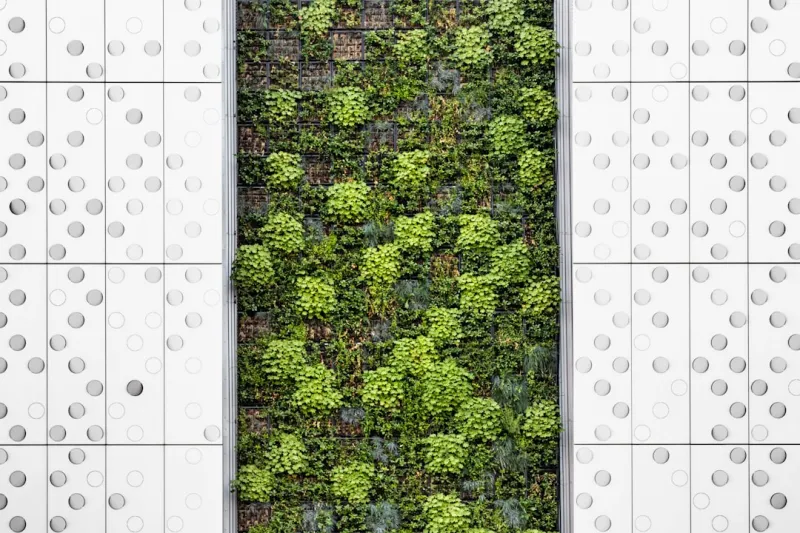
Creating a vertical garden using reclaimed pallets and succulent plants is not only an innovative way to utilize limited space, but it also transforms an ordinary wall into a vibrant vertical oasis. With the increasing popularity of urban gardening, building your vertical garden allows you to showcase your creative flair while enjoying the benefits of growing your plants at home.
This project is relatively inexpensive and environmentally friendly, especially since it emphasizes the use of reclaimed materials, which reduces waste. You’ll also gain an appreciation for the beauty of succulents—remarkable plants that require minimal care and come in a plethora of colors, shapes, and sizes.
For beginners, this DIY project is manageable and does not require advanced gardening skills. While it involves basic woodworking and planting techniques, the level of creativity involved allows for personal expression. Furthermore, vertical gardens enhance your home aesthetic, improve air quality, and even offer fresh produce depending on your plant choices. Comprehensive planning is essential; however, each step carries the potential for flexibility and adaptation based on your preferences and needs.
Steps to Create Your Vertical Garden
Step 1: Gather Your Tools and Materials
Before you start your project, ensure that you have all tools and materials ready. This will minimize interruptions during the building and planting process. Place everything in a well-lit and spacious area to provide ample workspace.
Tip: Organize your tools systematically. Keep the power or hand tools separately from consumable materials (like soil and plants). This organization helps streamline the project’s flow and avoids losing items.
Step 2: Prepare the Reclaimed Pallet
Inspect your reclaimed pallet for any damage such as loose boards or splinters. Sand down sharp edges to give it a smoother finish. If the wood has any mold or deterioration, treat it with a wood preservative or sealant to enhance its longevity.
If you wish to customize the size, use the saw to cut the pallet according to your desired dimensions. Consider cutting the pallet vertically for a taller garden or horizontally for a wider layout.
Safety Tip: Always wear gloves and protective eyewear when using power tools to prevent injury from splinters and sawdust.
Step 3: Attach the Landscape Fabric
Using the staple gun, cover the back and sides of the pallet with landscaping fabric. This fabric will help keep the soil in place while allowing for water drainage, preventing moisture buildup that could damage the wood.
How-to: Roll out the fabric over the pallet, cut it to fit, and fold the edges over the top and sides. Staple down each corner securely, ensuring that there are no gaps.
Step 4: Position the Pallet
Decide on a suitable location for your vertical garden. Look for a wall that receives adequate sunlight, as succulents thrive in bright light. With the measuring tape, make sure the pallet will fit as per your plan.
When you’re ready to hang it, ensure that there are studs or solid wall backing to secure your pallet. Use the level to check and mark where screws will go for even attachment to the wall.
Tip: If you’re hanging the pallet on a plaster wall, use wall anchors to provide extra support.
Step 5: Prepare Your Soil
Mix your potting soil with small gravel or pebbles to promote drainage. Succulents prefer well-draining soil to avoid root rot. The right consistency of soil will foster healthy growth by allowing excess water to drain away instead of pooling.
Pro Tip: Experiment with soil proportions; a general rule is 3 parts potting soil to 1 part gravel.
Step 6: Plant Your Succulents
Before you start planting, lay out your succulent plants on the pallet to visualize the arrangement. This step allows you to experiment with color and texture without committing to a specific layout. Once satisfied, begin planting.
- How-to: Dig a small hole in the soil with your trowel for each succulent, ensuring there's enough space for roots.
- Gently remove the plant from its nursery pot and place it into the hole, then cover the roots with soil. Press lightly without compacting too much.
Step 7: Watering and Maintenance
After planting, gently water your succulents, ensuring the soil is moist but not waterlogged. It’s crucial to maintain a consistent watering schedule—typically, succulents require watered only every few weeks, depending on your climate.
Maintenance Tip: Check soil moisture before watering. Stick a finger an inch into the soil; if it's dry, it’s time to water.
Step 8: Final Touches and Decoration
Once your succulents are firmly planted and the pallet is secured to the wall, consider adding decorative elements. You can use small decorative stones, fairy lights, or even paint the pallet for extra visual impact.
Creative Variations: Create space for watering by leaving small gaps between plants or making sections for different plants.
Step 9: Keep an Eye on Plant Growth
Regularly inspect your succulents for signs of health or distress. Look for discoloration, wilting, or pests. Prune dead or overgrown leaves to prevent disease and promote growth.
Helpful Tip: Research each succulent type for their specific care needs (sunlight, water, and soil) for optimal results.
Step 10: Enjoy Your New Vertical Garden
Take time to sit back and admire your hard work. A vertical garden not only beautifies your space but also creates a sanctuary amidst the chaos of daily life. Be proud of what you've accomplished and maintain care for your plants regularly.
Troubleshooting Common Issues
1. Plants Wilting: If your succulents appear limp, it may be due to over-watering. Allow the soil to dry out thoroughly before watering again.
2. Brown Leaves or Discoloration: This is often a sign of too much sunlight. Relocate your garden to a spot with filtered sunlight to lessen direct exposure.
3. Soil Erosion: If soil is spilling out, check the integrity of your landscape fabric. Ensure it is adequately secured; consider adding a wooden border or additional staples if necessary.
4. Pests: Look out for common pests like mealybugs or aphids. If detected, remove these by wiping down leaves with a soapy water solution or insecticidal soap.
5. Sunlight Issues: If your succulents are sprawling or elongated, they may be reaching for more light. Move them to a brighter location or under a grow light if your space lacks natural illumination.
Conclusion
Creating a vertical garden using reclaimed pallets and succulent plants is a rewarding project that not only enhances your living space but also promotes eco-friendly practices. With just a few tools and some effort, you can turn an ordinary wall into a beautiful display of nature.
Remember to maintain your succulent garden regularly, keeping an eye on their growth and needs. Feel free to experiment with different plants or design variations to make it uniquely yours. Whether you choose to expand this idea by adding additional layers, mixing in flowers, or trying out different forms of plant care, your vertical garden can continually evolve.
So, take that first step and dive into this creative adventure—you're guaranteed to enjoy it!