How to create an indoor vertical garden using repurposed shipping pallets
Introduction
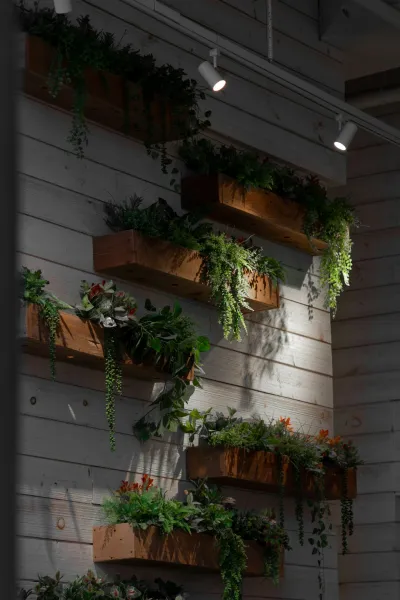
In recent years, indoor gardening has surged in popularity, meeting not only aesthetic desires but also a growing interest in sustainability and healthy living. With urban spaces becoming increasingly crowded and the cost of fresh produce rising, many individuals are seeking innovative ways to grow their own food and cultivate greenery within their homes. Enter the vertical garden – a creative solution that maximizes the use of space, allowing you to cultivate a thriving indoor oasis even in small apartments or homes.
This project stands out for its use of repurposed shipping pallets, which are often discarded and can be transformed into charming and functional planters. By using these pallets, you’re not only participating in recycling but also adding character and rustic appeal to your indoor space. The benefits of having a vertical garden are manifold; it promotes cleaner air, provides easy access to fresh herbs and vegetables, and enhances the overall ambiance of your home.
For those concerned about skill levels, don’t fret! Creating an indoor vertical garden with shipping pallets is a beginner-friendly project. With just a bit of creativity, some basic tools, and a commitment to following our step-by-step guide, you’ll have your own vertical garden thriving in no time. Let’s delve into the world of indoor gardening and bring some green into your living space!
Tools Needed
- Screwdriver (or Drill): A screwdriver or drill makes it easier to assemble and secure the pallet and any additional components like hooks or shelves.
- Saw: If you need to cut the pallet to size or remove any unwanted boards, a saw is essential. A hand saw or a power saw will work, but a power saw will save time.
- Sandpaper: To ensure safety and aesthetics, sandpaper will help smooth out any sharp edges on the pallet.
- Staple Gun: This tool is useful for securing landscaping fabric to the pallet, preventing soil from falling through while allowing for water drainage.
- Paintbrush (or Roller): If you wish to paint or stain the pallet to match your décor, a paintbrush or roller is needed for even application.
- Garden Trowel: This small spade is perfect for planting and moving soil within the tighter spaces of your vertical garden.
- Watering Can or Hose: A reliable way to keep your plants hydrated, especially in a vertical setup where other watering methods may be cumbersome.
- Gloves: Gardening gloves will protect your hands while working with soil and sharp items, ensuring your comfort and safety throughout the project.
Materials
- Repurposed Shipping Pallet: 1 (make sure it's in good condition without wooden planks that are too damaged)
- Potting Soil: Approximately 5-10 quarts (enough to fill the pallet planters)
- Landscaping Fabric: 1 yard (for lining the pallet)
- Nails or Screws: 20-30 (for securing the pallet’s structure)
- Wood Screws (for securing brackets to the wall, if needed): 10-15
- Brackets or L-brackets: 2-4 (to stabilize and secure the pallet to the wall)
- Selection of Plants: 5-10 (herbs, succulents, or small vegetables that thrive in vertical gardens)
- Wood Stain or Paint: 1 pint (optional, for sealing and beautifying your pallet)
- Hammer: 1 (for driving nails into the wood)
- Plastic Plant Pots: 5-10 (small pots to aid in transferring your chosen plants into the pallet)
Steps to Create Your Indoor Vertical Garden
# ### Step 1: Choose Your Pallet
The first step in your indoor vertical garden project is to acquire a shipping pallet. Look for pallets that are well-constructed, with no missing boards or visible damage. It's best to choose pallets that are marked with "HT" (heat-treated) to ensure they are free from harmful chemicals. Check local warehouses, gardening centers, or online marketplaces for available pallets. When choosing, keep in mind the size of your indoor space and how much wall area you can realistically dedicate to this project.
- Tip: Clean your pallet thoroughly with soap and water to remove any dirt, potential chemical residues, or pests. Allow it to dry completely before proceeding.
# ### Step 2: Prepare Your Pallet
Preparation is key to ensuring the stability and longevity of your vertical garden. Start by sanding down any rough surfaces and edges, which can be a safety hazard. You can use sandpaper or a power sander for this task. If you wish to paint or stain your pallet, now is the time to do so. Use a paintbrush or roller for an even coat, and ensure to let it dry thoroughly afterward.
- Safety Tip: Wear a dust mask while sanding to prevent inhaling wood dust, and use gloves to protect your hands during painting or staining.
# ### Step 3: Line the Pallet
Once your pallet is cleaned, sanded, and painted (if desired), it’s time to line it with landscaping fabric. Cut a piece of fabric that covers the back, bottom, and sides of the pallet. Secure the fabric using a staple gun to ensure that it stays in place. This will help prevent soil from spilling out and keep your plants healthy.
- Tip: Make sure to leave some fabric flaps at the front to allow for plant growth and to easily access the soil when planting and watering.
# ### Step 4: Position the Pallet
Find a suitable location in your home for your vertical garden. Ideal spots include sunny walls or areas close to windows for adequate sunlight. If your desired location is wall-mounted, ensure it has the structural support to hold the weight of the pallet and the soil when fully planted. You might need to use wall brackets or screws to secure it properly to the wall.
- Tip: Consider using a level to ensure your pallet hangs straight on the wall, as an uneven garden can be both unsightly and detrimental to plant growth.
# ### Step 5: Fill with Potting Soil
Now it's time to add potting soil to your lined pallet. Carefully fill the sections of the pallet with the soil, ensuring that you leave enough room for your plants. If your pallet has multiple layers or sections, fill each section appropriately, compacting the soil gently to prevent it from shifting.
- Tip: Use a garden trowel to pack the soil but avoid overpacking, as this can impede drainage and restrict roots from growing properly.
# ### Step 6: Planting Your Plants
Select a variety of plants that thrive in indoor, vertical environments. Herbs such as basil, parsley, and mint are excellent choices, as are small vegetables like cherry tomatoes and peppers. You can also consider succulents or other small indoor plants if you prefer a non-edible garden. Carefully remove the plants from their pots and break up any tightly bound roots before placing them into the soil.
- Tip: When planting, position taller plants towards the top of the pallet and shorter ones towards the bottom to create a beautiful tiered effect, taking advantage of available light.
# ### Step 7: Water Thoroughly
After planting, water your vertical garden thoroughly. Since it’s a vertical setup, water may run through quickly, so take care to adequately soak the soil without over-saturating. Use a watering can with a spout that can reach the back areas of the pallet, or a hose if you have ample access.
- Tip: Look for signs of insufficient water, such as drooping leaves, and adjust your watering schedule accordingly. Remember to check soil moisture regularly.
# ### Step 8: Maintenance and Care
Your vertical garden will require regular maintenance to thrive. This includes watering, checking for pests, and trimming plants as needed. Pay attention to plant growth and adjust light exposure as necessary; some plants may thrive in more light while others prefer partial shade. Ensure good air circulation by not overcrowding your plants.
- Tip: Document the care you give your plants using a gardening journal or app, noting watering schedules, growth patterns, and any problems that arise for better future planning.
# ### Step 9: Troubleshooting Common Issues
Even with proper care, you may encounter some common issues in your vertical garden. First, look for signs of overwatering, such as yellowing leaves or mold. On the opposite side, if your plants show signs of wilting, assess if it may be a result of underwatering. Addressing pest problems immediately is also essential; inspect leaves regularly for any abnormalities.
- Tip: An organic insecticidal soap can help manage pest problems without harming your plants or the environment.
# ### Step 10: Enjoy Your Indoor Oasis!
Congratulations! You’ve successfully created an indoor vertical garden using repurposed shipping pallets. Enjoy the beauty and aroma of your herbs and plants, and embrace the joy of watching your garden grow over time. Share your experience with friends or host a little garden party to celebrate your accomplishments.
- Tip: Take photos as your garden transforms over the weeks and months — this can also provide useful insights for improvements in future projects.
Troubleshooting
Although building an indoor vertical garden is a rewarding experience, you may run into some common issues along the way. Here are five frequent problems and their solutions:
- Overwatering: If your plants’ leaves start to yellow or feel soggy, you might be overwatering. Allow the soil to dry before watering again and consider adding drainage holes to the bottom of your pallet.
- Underwatering: If your plants appear wilted, it could be due to a lack of water. Check the soil moisture, and adjust your watering routine if necessary. Use a moisture meter for more accuracy.
- Pest Infestation: Keep an eye out for pests such as aphids or spider mites. If you notice them, remove the affected plants and treat the nearby plants with insecticidal soap or a neem oil solution.
- Poor Plant Growth: If your plants aren't thriving, it may be due to insufficient light. Relocate them closer to a natural light source or consider using grow lights to supplement sunlight.
- Soil Erosion: If soil is escaping through the lining, check to make sure your landscaping fabric is secure. You might need to add more layers or readjust the fabric to ensure it adequately retains the soil.
Conclusion
Creating an indoor vertical garden using repurposed shipping pallets is an eco-friendly, budget-conscious project that brings life to your home while fostering a green thumb. By following these steps, you’ve not only crafted something beautiful but also embraced the joys of gardening and sustainability. You can customize your project by selecting various plant types, experimenting with colors, or even incorporating additional elements like fairy lights or garden ornaments for added charm.
The skills you learned during this project provide a foundation for more advanced gardening endeavors in the future. Remember to maintain your garden regularly, adjusting care as necessary to adapt to the needs of your plants. Your vertical garden can be a continuously evolving project, offering endless possibilities.
Happy gardening, and enjoy the satisfaction of nurturing your greenery!