How to create a vertical garden using repurposed pallets and drip irrigation system
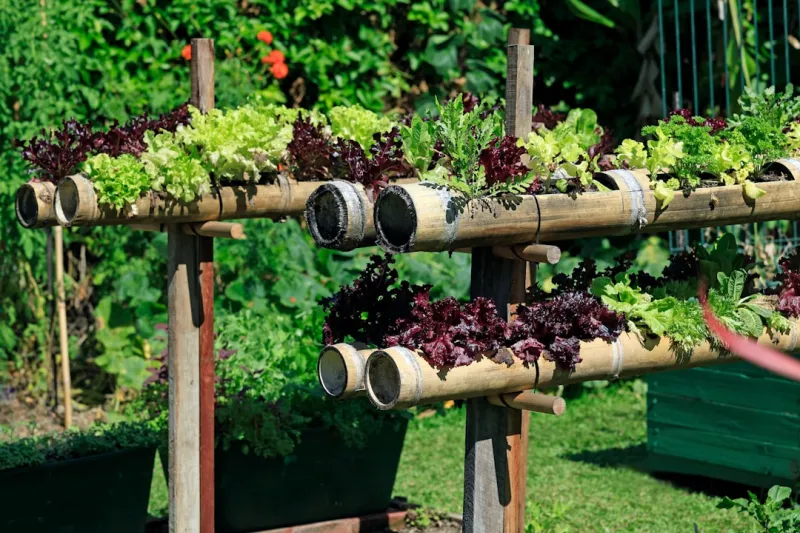
Creating a vertical garden using repurposed pallets not only serves as an excellent solution for limited space but also adds a unique touch to your home decor. Imagine lush greenery draping gracefully over a simple wooden structure, enhancing both the beauty and ambiance of your outdoor or indoor space. With growing interest in sustainable living and the benefits of urban gardening, this project combines creativity with practicality.
Why This Project?
Vertical gardens are ideal for those with limited yard space, making use of upward space rather than only horizontal. The repurposed pallets allow you to create something beautiful and eco-friendly, reducing waste in our landfills while providing numerous planting opportunities. Additionally, incorporating a drip irrigation system into your vertical garden will ensure that your plants receive a consistent water supply, promoting healthy growth with less water waste.
This project is particularly rewarding for beginners; it requires minimal skills yet allows for significant customization. Whether you are a seasoned gardener looking to try something new or someone entirely new to gardening, creating a vertical garden can be a fulfilling endeavor, resulting in a bountiful production of herbs, flowers, or vegetables.
Benefits of a Vertical Garden
- Space Efficiency: Utilize walls and fences for planting.
- Aesthetic Appeal: Unique design options to enhance visual interest in any space.
- Sustainable Living: Repurposing materials reduces waste.
- Ease of Maintenance: Easier to care for than traditional gardens, especially with a drip system.
- Environmentally Friendly: A natural way to produce your herbs and vegetables at home.
Skill Level
Beginner. This project requires basic woodworking and gardening skills, making it an achievable goal for anyone interested in starting their gardening journey.
Tools Needed
When embarking on your vertical garden project, it’s essential to have the right tools handy. Below are the necessary tools and their importance:
1. Drill: To create holes in the pallet for attaching the drip irrigation system and securing the plants. 2. Screwdriver: For assembling the pallet and securing the irrigation lines. 3. Saw (Hand or Power): To adjust the size of your pallets or cut them into specific shapes as needed. 4. Staple Gun: To attach the landscaping fabric to the back of the pallets, which retains soil while allowing for drainage. 5. Level: Ensures your vertical garden is straight and looks professional when mounted. 6. Measuring Tape: For precise measurements and cuts for better fitting of materials. 7. Paintbrush: If you choose to paint or stain your pallet for aesthetic reasons, a brush will help you cover intricate areas. 8. Gloves: Protect your hands while working with wood and soil.
Materials
Gather the following materials to bring your vertical garden to life:
1. Repurposed Pallet: 1-2 depending on your height preferences and available space. 2. Landscaping Fabric: 1-2 yards to line the back of the pallet. 3. Soil: Approximately 1 bag (2 cubic feet) for filling the pallet. 4. Plants or Seeds: Choose 5-10 plants depending on your pallet size (herbs, flowers, or veggies). 5. Nails or Screws: 1 box to secure structural components and hardware. 6. Drip Irrigation Kit: 1 kit, which usually includes tubing and emitters. 7. Water Container: 1, if you plan to collect rainwater or need a reservoir for your drip irrigation. 8. Wood Stain or Sealer: 1 quart to protect the pallet from water and pest damage. 9. Hanging Hardware: 1 set of wall hooks or brackets for mounting your vertical garden. 10. Small Rocks or Gravel: 1 bag to Place at the bottom for drainage.
Step-by-Step Instructions
Step 1 - Prepare the Pallet
What: Start with a sturdy, intact pallet devoid of any chemicals or harmful coatings.
How: Inspect the pallet for any broken boards or splinters. Use your saw to cut the pallet to your desired height and width if necessary. If you want to update its appearance, lightly sand down the surfaces to create an even finish.
Tips: Use food-grade pallets whenever possible as they are less likely to contain harmful chemicals; look for stamps indicating they are safe for organic use.
Safety: Wear gloves during the inspection and preparation process to protect your hands from splinters.
Step 2 - Apply Wood Stain or Sealer
What: Protect your pallet from decay due to moisture by applying a protective coating.
How: With your paintbrush, apply a coat of wood stain or sealer on all visible areas of the pallet. Allow it to dry completely before proceeding to the next step.
Tips: Choose an eco-friendly, non-toxic stain for the best results. Ensure that you are working in a well-ventilated area.
Safety: Follow the manufacturer's safety instructions on the stain or sealer container, including the use of gloves and protective eyewear if needed.
Step 3 - Attach Landscaping Fabric
What: This fabric will hold the soil and plants while allowing excess water to drain out.
How: Cut your landscaping fabric to match the dimensions of the pallet’s back. Use a staple gun to attach it securely to the back of the pallet, making sure to cover the gaps between the slats.
Tips: Overlap the fabric on the edges to prevent soil from spilling out when you fill the pallet.
Safety: Be careful using the staple gun to avoid puncturing yourself; keep your fingers clear while fastening.
Step 4 - Secure the Bottom for Drainage
What: Ensure proper drainage for your vertical garden.
How: Place a layer of small rocks or gravel at the bottom of the pallet. This layer will help water to drain away from the roots of the plants, preventing waterlogging.
Tips: You can also add a layer of cardboard before the rocks to minimize soil loss when watering.
Safety: Move carefully as you work with the rocks—lift with your legs and avoid straining your back.
Step 5 - Add Soil and Plant Selection
What: It’s time to fill your pallet with soil and plants.
How: Fill the pallet with potting soil, leaving space for the plants. Press the soil down gently but don’t compact it too tightly. Then plant your chosen herbs, vegetables, or flowering plants as per your design—consider placing taller plants at the top and shorter plants at the bottom for an appealing look.
Tips: Opt for plants that thrive in vertical gardens, like potatoes, strawberries, or various herbs.
Safety: Ensure you wear gloves while handling the soil to keep your hands clean and safe from any soil-borne pathogens.
Step 6 - Construct the Drip Irrigation System
What: Set up an efficient watering system to take care of your plants seamlessly.
How: Refer to the instructions provided in your drip irrigation kit. Generally, you’ll connect the tubing to your water reservoir or faucet and layout the tubing across the channels of your pallet, attaching emitters where each plant is located.
Tips: Test the system before mounting your garden, ensuring water flows evenly through all emitters to reach each plant.
Safety: Be cautious of any sharp tools involved in cutting tubing or tackling water connections.
Step 7 - Mount the Vertical Garden
What: It’s time to put your creation in place!
How: With assistance, hold the pallet against the wall or fence where you plan to install the garden. Use the level to ensure it is straight and secure it using the appropriate hanging hardware.
Tips: If you’re mounting on a soft surface, consider using wall anchors for additional support.
Safety: Ensure the pallet is secured tightly to avoid falling, which could cause injuries or damage.
Step 8 - Water and Monitor Your Garden
What: Regular care is essential for the success of your vertical garden.
How: After mounting, water the plants to ensure the soil is moist. Maintain a regular schedule for watering while monitoring the moisture levels. Adjust the drip irrigation system as needed based on the humidity and weather.
Tips: Observe your plants regularly for signs of over-watering or drought stress to ensure quick intervention.
Safety: Always use caution when handling water or working outdoors in different weather conditions.
Step 9 - Fertilize and Prune as Needed
What: Healthy plants need nourishment and occasional maintenance.
How: Use an organic fertilizer to keep your plants energized, and prune as necessary to promote airflow and prevent overcrowding.
Tips: Research the specific needs of your plants for optimal growth and health.
Safety: Treat pruning tools with care to avoid injury.
Step 10 - Enjoy Your Vertical Paradise
What: Stand back and take pride in your hard work!
How: Take a moment to appreciate the vibrant greenery you’ve cultivated. Share your garden with family and friends and perhaps even savor the food produced by your vertical garden.
Tips: Document the growth with photos; it’s exciting to see how your garden evolves over time.
Safety: Continue monitoring the stability of your vertical garden structure as plants grow heavier.
Troubleshooting
Common Issues with Fixes
1. Overwatering: Plants may wilt or rot—check your drip system; reduce flow or adjust emitters. 2. Pests: Insect infestations can occur—apply organic pest deterrents or introduce beneficial insects. 3. Poor Soil Drainage: If water pools, ensure gravel layer is properly placed and consider adjusting soil types to suit needs. 4. Sun Exposure Issues: If plants are too stressed, assess their sun exposure and move the pallet to ensure optimal light conditions. 5. Plant Death: If plants die, reassess their growing conditions and replace them with more hardy options or check for diseases.
Conclusion
Creating a vertical garden with repurposed pallets is a rewarding project that allows you to explore your creativity while embracing sustainability. With thoughtful planning, careful execution, and proper maintenance, you can cultivate your very own floral or edible paradise, even in the tiniest of spaces. Over time, personalize your design or explore variations by adding additional pallets, experimenting with different plant types, or adjusting your irrigation system to suit other gardening methods.
Remember, the journey of gardening is as rewarding as the harvest. Enjoy the process as your garden grows and flourishes!