How to create an indoor vertical garden using repurposed plastic bottles and LED grow lights
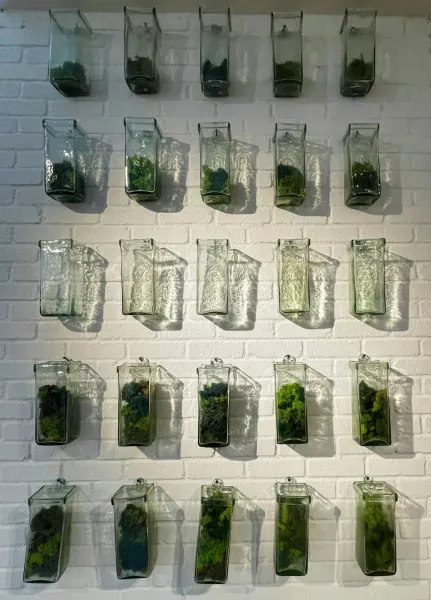
Creating an indoor vertical garden is an incredibly fulfilling project that not only brings a slice of nature into your home but also contributes to a more sustainable lifestyle. By using repurposed plastic bottles and LED grow lights, you can transform waste into an inspiring green wall that not only enhances your living space but also purifies the air, provides fresh herbs or vegetables for cooking, and serves as a creative outlet for personal expression.
The project is suitable for all skill levels, especially beginners, making it the perfect weekend DIY challenge. With some basic tools, you can create a vibrant display that will draw the attention of friends and family alike. The benefits of this indoor vertical garden include:
- Sustainability: You will be repurposing materials that might otherwise end up in the landfill.
- Air Quality Improvement: Indoor plants are known to improve air quality by reducing carbon dioxide levels and increasing oxygen.
- Space-Saving: Vertical gardens are perfect for small spaces and maximize your growing area without needing a large footprint.
- Fresh Produce Access: Growing your herbs and vegetables can significantly cut down grocery bills and provide you with fresh ingredients right at home.
- Aesthetic Appeal: A well-planned vertical garden can dramatically improve the aesthetics of any indoor space.
Tools Needed
1. Utility Knife: Essential for cutting plastic bottles to the desired shape and size. A sharp utility knife ensures clean edges for a better planting surface.
2. Drill with Drill Bits: Useful for making drainage holes in the bottles. Proper drainage is crucial to avoid overwatering plants, which can lead to root rot.
3. Screwdriver: Handy for securing the vertical garden structure to the wall or any frame you choose to build. The right screws can provide excellent stability.
4. Measuring Tape: Important for ensuring that your arrangement fits well within your designated space. Accurate measurements ensure even spacing and proper alignment.
5. Marker or Pen: Ideal for marking where you need to cut or drill. A visible guide makes the project smoother, especially if precision is key to your design.
6. Sandpaper (optional): Useful for smoothing out rough edges after cutting the plastic bottles to prevent injury when handling them.
7. Gloves: Recommended to protect your hands during cutting and planting tasks. Gardening gloves can also prevent soil from getting under your nails.
8. Watering Can or Spray Bottle: Essential for keeping your plants hydrated while they’re establishing roots in the new environment.
Materials
- Plastic Bottles (12-15): Collect a variety of sizes. Two-liter soda bottles work well, but any empty plastic bottle can be repurposed.
- Potting Soil (2-3 bags): Choose an organic mix that suits the types of plants you’re incorporating into your garden.
- Plants or Seeds (various types): Plan a mix of herbs, leafy greens, or flowers – approximately 10-15 small plants or seed packets, depending on your bottle setup.
- Nails or Screws (20-25): Needed for attaching the bottles to the wall or your chosen frame securely.
- Wooden Pallet or Frame (1): An old wooden pallet makes a great base for your vertical garden. If unavailable, a wooden frame will suffice.
- LED Grow Lights (1-2): A sufficient length of strip lights or bulbs, depending on the size of your vertical garden, to provide proper light for photosynthesis.
- Zip Ties or Rope (optional): Useful for securing plants within the bottles or enhancing the stability of the structure, particularly with larger plants.
- Paint or Sealant (optional): To weatherproof your wooden frame if using, though not necessary if using treated wood.
Step-by-Step Instructions
Step 1: Gathering Your Materials
What: Start by collecting all the tools and materials listed above.
How: Visit your local hardware store, or check around your home for reusable materials. Collect as many plastic bottles as you can. Rinse them out thoroughly and let them dry to prevent any mold or unpleasant odors.
Tips: Consider collecting bottles of various shapes and sizes for a more dynamic display. Instead of just two-liter soda bottles, look for smaller bottles like water or juice bottles that can fit in tighter spaces.
Safety: Be cautious while handling cutting tools and ensure you work in a well-lit area to avoid accidents.
Step 2: Preparing the Bottles
What: Prepare the plastic bottles for planting.
How: Using a utility knife, carefully cut the bottles in half. If you prefer, you can make slits along the sides to create pockets for planting without fully cutting them.
Tips: Make the cut at about one-third of the way down the bottle for more planting depth. Sand down any sharp edges after cutting to prevent injuries.
Safety: Always cut away from your body, and wear gloves to protect your hands from accidental slips.
Step 3: Creating Drainage Holes
What: To prevent water from accumulating inside the bottles, create drainage holes.
How: Use a drill to make several small holes at the bottom of each plastic bottle. This will allow excess water to escape and guard against root rot.
Tips: Ensure the drainage holes are evenly spaced and large enough to allow water to flow freely. You can use this step to create an initial pattern or design based on your bottle sizes.
Safety: Keep fingers clear of the drill bit and ensure the surfaces are stable so the bottles don’t slip during drilling.
Step 4: Arranging the Bottles
What: Plan the layout of your vertical garden before mounting anything.
How: Lay out your bottles in a visually pleasing arrangement on the frame or wall that you intend to use. Experiment with different heights and angles to see what works best.
Tips: Consider grouping plants with similar sunlight and watering needs together, and remember that taller plants should be placed higher up.
Safety: Make sure the setup is balanced and will not topple over once installed.
Step 5: Mounting the Bottles
What: Secure the bottles to your chosen frame or wall.
How: Using the nails or screws, attach each prepared bottle to the wooden frame or wall. You might also use zip ties for additional alignment or reinforcement.
Tips: Make sure to check that everything is secured tightly and can handle the weight of the soil and water once added.
Safety: Use a level to ensure that bottles are straight once they are mounted to avoid uneven water distribution among your plants.
Step 6: Filling with Soil
What: Add potting soil to each bottle.
How: Take your potting soil, and fill each bottle, leaving about an inch of space at the top to avoid spillage when watering.
Tips: Gently tap the sides of the bottle to settle the soil as you fill so there are no air pockets.
Safety: Be cautious with soil dust—use a mask if you’re sensitive to allergens or dirt.
Step 7: Planting
What: Place your plants or seeds into the soil.
How: If using seedlings, create small holes in the soil and place them in. For seeds, sprinkle them according to the package instructions and lightly cover them with soil.
Tips: Water the plants lightly after planting to help the soil settle and start the germination process.
Safety: Use hand tools for planting seeds to avoid damaging roots if using seedlings.
Step 8: Installing LED Grow Lights
What: Ensure your garden gets enough light for optimal growth.
How: Install your LED grow lights above or around your vertical garden, ensuring coverage over all plants. Use the manufacturer’s instructions for height and distance recommendations.
Tips: Invest in a timer for your grow lights to mimic natural light patterns; plants usually require 12-14 hours of light.
Safety: Be sure to secure any electrical cords properly to prevent tripping hazards.
Step 9: Watering and Maintenance
What: Establish a watering routine.
How: Monitor the moisture level of the soil. Water the plants as needed, ensuring water is evenly distributed without flooding the bottles.
Tips: Use a spray bottle for seedlings to avoid over-watering. Set a weekly reminder for plant care to establish a consistent routine.
Safety: Make sure water does not pool at the bottom of the bottles which can lead to mold or attracting pests.
Step 10: Observation and Adjustments
What: Monitor the growth and overall health of your vertical garden.
How: Keep an eye out for any signs of distress such as yellow leaves, wilting, or mold. Adjust watering, light exposure, or nutrient levels as required.
Tips: Take notes on what works and what doesn’t. Every plant type may have different needs, so customizing your approach will yield the best results.
Safety: Always clear any debris or mold accumulation to keep your indoor environment clean.
Troubleshooting
Creating a vertical garden is a rewarding experience but can come with challenges. Here are five common issues you may face and their fixes:
1. Heavy Growth: If your plants are growing heavy and causing the bottles to tilt or fall:
- Fix: Reinforce the mounting with additional screws or support. You might also need to prune your plants regularly.
- Fix: Ensure drainage holes are not clogged and consider adjusting your watering schedule to maintain moisture without overwatering.
- Fix: Check if they’re getting too much or too little light or water. Adjust your care routine accordingly.
- Fix: Use a mixture of water and mild soap to rinse the affected areas. Ensure good air circulation to prevent pest infestations.
- Fix: Allow the soil to dry out slightly before watering again and consider placing a fan nearby for better air circulation.
Conclusion
In conclusion, creating an indoor vertical garden using repurposed plastic bottles and LED grow lights is not only an engaging DIY project but also a step toward a more sustainable and aesthetically pleasing living environment. The benefits extend beyond just aesthetic appeal—they include air purification, access to fresh herbs, and even the joy of nurturing plants.
There are numerous variations you can explore with this project; consider using different types of bottles, experimenting with hydroponics, or incorporating small decorative elements such as fairy lights or colorful paint.
As you embark on this vertical gardening journey, remember that maintenance is key—regularly check your plants for water and nutrient needs, as well as growth conditions. This experience is not just about the product but enjoying the process of watching your indoor oasis thrive.