How to create a vertical vegetable garden using repurposed pallets and drip irrigation
Intro
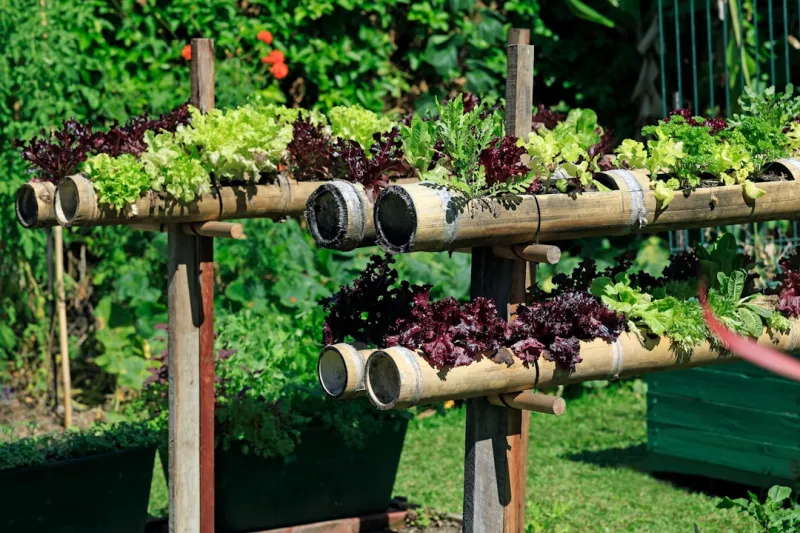
In an ever-evolving world where urbanization and limited space often hinder our connection with nature, gardening can seem like an elusive dream for many aspiring green thumbs. However, gardening can be accessible without sprawling properties or extensive experience. Enter the vertical vegetable garden—a sustainable and aesthetically pleasing solution that allows you to grow your favorite produce in a compact area. This guide will walk you through the process of creating your very own vertical vegetable garden using repurposed pallets and drip irrigation, an eco-friendly project that not only saves space but also enhances sustainability by recycling discarded materials.
Why should you consider this project? For beginners, vegetable gardening can seem daunting, but cultivating your food doesn’t have to be complicated. Vertical gardens maximize sunlight exposure, reduce the risk of pests, and improve air circulation, promoting healthier plants. This effort enhances your living space and provides fresh produce at your fingertips, offering tremendous flavor and nutrition compared to store-bought options. In addition, using repurposed pallets is a budget-friendly choice to reduce waste, and the drip irrigation system ensures efficient watering, saving both time and resources.
As a beginner, don’t fret! This project requires only minimal skills, and with a bit of patience and playful curiosity, you’ll soon find yourself in a flourishing food wonderland. It’s time to roll up your sleeves and dive into this exciting journey towards vertical gardening, enhancing both your skills and your diet.
Tools Needed
1. Drill: Essential for making holes for drainage and securing the pallets. A cordless drill adds ease of maneuverability. 2. Saw: A hand saw or circular saw is necessary for cutting the pallets to the desired size. Ensure you choose a saw that you feel comfortable using. 3. Staple Gun: Used to attach the landscape fabric to the pallet, protecting the soil from spilling out while allowing water and air to pass through. 4. Measuring Tape: This will help you accurately assess the dimensions of your pallet and ensure everything fits perfectly in your designated space. 5. Paintbrush or Roller: Necessary if you decide to apply a protective wood sealant to the pallet, extending its lifespan and making it more resistant to the elements. 6. Level: Ensures that your vertical garden is even and won’t topple over when filled with soil and plants. A level will help you avoid any mishaps. 7. Trowel: A small hand shovel helps to fill the pallets with potting mix easily and helps dig holes for the plants. 8. Garden Hose or Watering Can: Essential for watering your plants while setting up the drip irrigation system.
Materials
- Repurposed wooden pallets (2-3 pallets): Look for pallets that are sturdy and free from chemicals.
- Landscape fabric (1 roll, approx. 3 ft x 50 ft): This will help retain soil and allow for drainage.
- Potting soil (4 to 6 cubic feet): Choose a quality mix that provides good drainage and moisture retention.
- Drip irrigation kit (1 kit): Typically includes tubing, emitters, fittings, and connectors suitable for watering your vertical garden.
- Wood sealant (1 quart): Environmental-friendly sealant extends the life of the pallets and protects them from weather damage.
- Screws (1 box, 1.5 inches) and/or nails: To secure the pallets together and hold them firmly in place.
- Plants or seeds (variety depending on your choice): Opt for small vegetable plants or seeds like lettuce, tomatoes, and herbs to begin your garden.
- Stakes or brackets (optional): These can help further stabilize the pallets if you’re concerned about tipping.
- Plastic containers or pots (optional): To separate specific plants for better management.
Step 1: Choose a Location
What: Consider the best setting for your vertical garden. Look for a location that receives at least 6-8 hours of sunlight each day and is protected from extreme winds.
How: Observe various spots around your home and note the amount of sunlight they receive throughout the day. Make sure no taller structures or trees will shade the garden in the evening.
Tips: The closer you position your garden to a water source, the easier it will be to manage watering.
Safety: Ensure the area is free of leaks, wires, and any sharp objects that could be hazardous during assembly.
---
Step 2: Prepare Your Pallets
What: Clean and prepare the pallets to create a safe and attractive base for your garden.
How: Scrub off any dirt, and inspect for mold, rot, or nails sticking out. If necessary, sand down rough edges using sandpaper to prevent injuries.
Tips: If you discovered any broken slats, make the necessary repairs.
Safety: Wear gloves to protect your hands from splinters and ensure you follow safety protocols when using power tools.
---
Step 3: Apply Wood Sealant
What: Extend the lifespan of the pallets by applying wood sealant to protect them from moisture.
How: Use a paintbrush or roller to apply the sealant to all surfaces of the pallet. Allow it to dry completely before moving on.
Tips: Apply two coats for optimal protection, especially if you live in an area with extreme weather conditions.
Safety: Work in a well-ventilated area and wear a mask to avoid inhaling fumes from the sealant.
---
Step 4: Attach Landscape Fabric
What: Landscape fabric helps retain the soil while allowing excess water to drain.
How: Cut pieces of landscape fabric and staple them firmly onto the backside and sides of the pallet, leaving the front open for planting.
Tips: Ensure the fabric extends sufficiently over the edge so you don’t lose soil when watering.
Safety: Be cautious when using the staple gun—wear goggles to protect your eyes.
---
Step 5: Set Up Drip Irrigation
What: A drip irrigation system provides consistent watering to your vertical garden.
How: Follow the instructions included in your drip irrigation kit. Typically, you will drill small holes in the pallets and attach them to the tubing so that the plants can receive water directly at their base.
Tips: Test the system with water to ensure every part is functioning. Adjust as necessary to eliminate any clogging.
Safety: Avoid overextending the tubing or creating sharp bends that could limit water flow.
---
Step 6: Fill with Potting Soil
What: Prepare to create a nurturing environment for your plants.
How: Using a trowel, carefully fill each section of the pallet with potting soil. Press down firmly but not too tightly to allow room for moisture and growth.
Tips: If you opted for multiple pots, distribute the soil evenly among them, ensuring each plant has space to grow.
Safety: Use gloves while handling soil, as it may contain bacteria, and wear a dust mask if you’re sensitive to fine particles.
---
Step 7: Choose and Plant Your Vegetables
What: Select suitable vegetables to grow in your vertical garden.
How: Choose plants that thrive in small spaces, such as leafy greens, tomatoes, peppers, and herbs. Dig small holes in the soil to place the seeds or baby plants, ensuring to follow planting instructions specific to each variety.
Tips: Start with companion planting to maximize space and encourage plant health. A combination of tall and short plants can thrive together.
Safety: Ensure that any tools you use are clean and disinfected to prevent the spread of diseases to your plants.
---
Step 8: Monitor and Maintain
What: Regular maintenance is essential to the success of your garden.
How: Water your plants consistently using the drip irrigation system, but always check whether the soil is too dry or overly saturated. Regularly inspect for pests and diseases, keeping an eye on any damaged foliage.
Tips: Schedule a weekly check-in to prune and harvest ripe vegetables. Fertilize as needed according to the individual plant's requirements.
Safety: If pests are present, wear gloves and a mask when applying any treatments to avoid skin contact.
---
Troubleshooting
Even seasoned gardeners encounter issues. Here are common problems you may face and their solutions:
- Drowning Plants: If water isn’t draining appropriately, check the drip irrigation system for clogs and ensure your landscape fabric is secure and level.
- Wilting Vegetables: This often indicates inconsistent watering. Adjust the irrigation system to provide consistent moisture or add a mulch layer to retain water.
- Pests Infestations: Usually occurs due to unhealthy plants. Maintain a strong garden by applying appropriate treatments and improving plant health and airflow.
- Soil Erosion: If soil is spilling out, check for proper installation of the landscape fabric and consider additional reinforcement to hold soil in place.
- Inadequate Sunlight: If plants aren’t thriving, relocate the garden to capture more sunlight.
Conclusion
Creating a vertical vegetable garden using repurposed pallets and a drip irrigation system is an engaging and rewarding project, well-suited for beginners and those limited by space. You’ve learned how to select the right materials, prepare your garden, and even troubleshoot common problems, thus setting the foundation for your green journey. Remember to nurture your garden and adjust your techniques based on its specific needs.
Feel free to get creative with your design! Experiment with additional plants, staggered heights, or even painting your pallets to match your garden aesthetics. Regular maintenance will foster long-lasting growth and productivity.
Happy gardening, and enjoy the fruits (and vegetables) of your labor!