How to create an indoor vertical garden using repurposed plastic bottles and LED grow lights
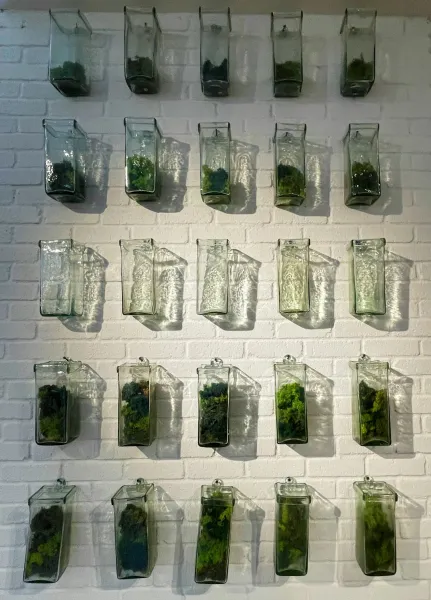
Are you tired of living in a space that feels devoid of greenery and life? Do you want to incorporate sustainable practices into your lifestyle while also beautifying your home? Creating an indoor vertical garden using repurposed plastic bottles and LED grow lights is an excellent project to consider. Not only does this project contribute positively to the environment by reducing plastic waste, but it also enables you to grow fresh herbs, vegetables, or decorative plants year-round in limited space. Vertical gardening is an efficient way to bring nature indoors, making it particularly suitable for apartments, small homes, or even larger spaces where one wishes to maximize plant visibility while minimizing the footprint.
Benefits of Vertical Gardening:
- Space Efficiency: The vertical garden design allows you to grow more plants using minimal floor space.
- Low Cost: By using repurposed plastic bottles, you decrease costs and reduce waste.
- Improved Air Quality: Plants naturally purify the air, making your indoor environment healthier.
- Enhanced Aesthetics: A wall of greenery can be visually striking, transforming your home into a lively oasis.
- Sustainable Gardening: Utilizing plastic bottles encourages recycling and promotes eco-friendly practices.
- Easy Maintenance: Indoor vertical gardens can be easy to manage, especially if you choose low-maintenance plants.
Tools Needed
1. Scissors: Essential for cutting plastic bottles to the appropriate size. 2. Drill or Screwdriver: Necessary for creating drainage holes in the bottles and securing your vertical frame. 3. Utility Knife: Useful for more precise cuts or shaping the bottles as needed. 4. Measuring Tape: Helps ensure your bottles are cut and spaced evenly for a uniform appearance. 5. Marker/Pen: For marking measurements and markings on the plastic for cutting. 6. Screw Hooks or Wall Anchors: Vital for securely attaching the vertical garden frame to the wall and ensuring stability. 7. Level Tool: Ensures that your vertical garden is straight and properly aligned.
Materials
1. Plastic Bottles: Approximately 10-15 empty two-liter bottles, which will form the basis of your vertical garden. 2. Potting Soil: About 2-3 bags (15-20 pounds each) of quality potting mix suited for indoor plants. 3. Plants or Seeds: Choose based on your preference—consider herbs like basil, mint, or decorative plants such as succulents (aim for 10-15 plants). 4. LED Grow Lights: One or two, depending on the size of your garden, to provide adequate light for your plants. 5. Wooden Boards/Pallets: One or two, depending on the desired vertical structure, to create the framework for the bottles. 6. Strong Adhesive or Zip Ties: For securing the bottles to the framework, ensuring they don’t fall. 7. Watering Can or Spray Bottle: To water your plants easily. 8. Small Stones/Gravel: To improve drainage in the bottom of each bottle. 9. Compost (optional): About 1 bag to enrich your soil mix, providing your plants with nutrients.
Step 1: Prepare the Plastic Bottles
- Carefully clean and rinse your empty plastic bottles to remove any residue or labels. This will prevent unwanted chemicals from leaching into the soil.
- After drying, use scissors to cut the bottles in half or leave a flap that can act like a door to access the soil. Try to cut them with a consistent width so they fit well into your vertical structure.
Step 2: Create Drainage Holes
- Using the drill or screwdriver, make several small holes in the bottom of each halved bottle. This ensures that excess water can escape, preventing root rot.
- Safety Tip: If using a drill, take care to secure the bottle to a stable surface to avoid slipping.
Step 3: Construct the Vertical Structure
- Use wooden boards or a pallet as a base for your vertical garden. Decide if you want it freestanding or attached to the wall.
- If attaching to a wall, use wall anchors and screw hooks to secure the boards at shoulder height or where light is optimal. Make sure the structure is sturdy and can hold the weight of your bottles filled with soil and plants.
Step 4: Arrange the Bottles
- Begin attaching the bottles to the structure using strong adhesive or zip ties. Start at the bottom and work your way up, staggering the bottles for an aesthetically pleasing look.
- Keep in mind the plants' lighting needs; taller plants may require higher placement on the garden.
Step 5: Add Drainage Material
- Before adding soil, place a layer of small stones or gravel at the bottom of each bottle. This layer assists in drainage and helps prevent clogging of the holes created earlier.
Step 6: Fill with Soil
- Fill the bottles with your potting soil or a mix that includes compost for added nutrients. Leave about an inch of space at the top to make watering easier.
- Gently pat down the soil, being careful not to compact it too much, as the roots still need aeration and circulation.
Step 7: Plant Your Seeds or Seedlings
- Carefully plant your chosen herbs or decorative plants into the soil. Follow the instructions for specific planting requirements, such as depth and spacing.
- Tip: Consider companion planting; some plants thrive better together, adding variety and enhancing growth.
Step 8: Set Up LED Grow Lights
- Position your LED grow lights above your vertical garden. Ensure the lights are at an appropriate distance to provide adequate illumination without burning the plants—usually around 12-24 inches above the plants.
- Depending on the growth stage of your plants, adjust the timer or frequency of the lights. Most indoor plants benefit from approximately 12-16 hours of light each day.
Step 9: Water the Vertical Garden
- Use a watering can or a spray bottle to moisten the soil thoroughly, ensuring that water seeps through the drainage holes.
- Establish a watering routine, keeping an eye on the moisture level of the soil, especially since vertical gardens can dry out faster.
Step 10: Monitor Growth and Maintenance
- Regularly check your plants for signs of health or distress, and remove any dead or yellowing leaves promptly.
- Fertilize every few weeks based on plant needs, and remember to adjust your LED lights as the plants grow taller to ensure they receive adequate light.
Troubleshooting
Common issues may arise as you embark on this indoor gardening adventure. Here are five potential problems and their solutions:1. Plants are Dying or Yellowing Leaves:
- Fix: Check for proper watering; overwatering or underwatering can lead to stress. Also, ensure your plants are getting enough light.
- Fix: Ensure adequate drainage and avoid overwatering. You can can also adjust air circulation around your vertical garden or allow the topsoil to dry out between waterings.
- Fix: Some plants may require more light than others. Rotate your plants occasionally or maintain a closer eye on the light requirements and adjust the LED settings.
- Fix: Regularly inspect your plants for pests like aphids or spider mites. Use organic pest control methods, such as neem oil or insecticidal soap.
- Fix: If your vertical garden feels unstable, reinforce the structure. Ensure that bottles are securely fastened and that you have used appropriate wall anchors.
Conclusion
Creating an indoor vertical garden using repurposed plastic bottles and LED grow lights is a rewarding and environmentally friendly project that breathes life into your home. By transforming waste into green space, you not only enhance your living area but also contribute positively to the planet. Remember, the project can be customized to fit your style; feel free to choose various plant species or experiment with color arrangements.Maintaining your indoor garden doesn't require advanced gardening skills; just a little love, regular care, and attention will lead to thriving plants. Enjoy the process and the many benefits of bringing gardening indoors!