How to create a vertical garden wall using repurposed pallets and colorful succulents
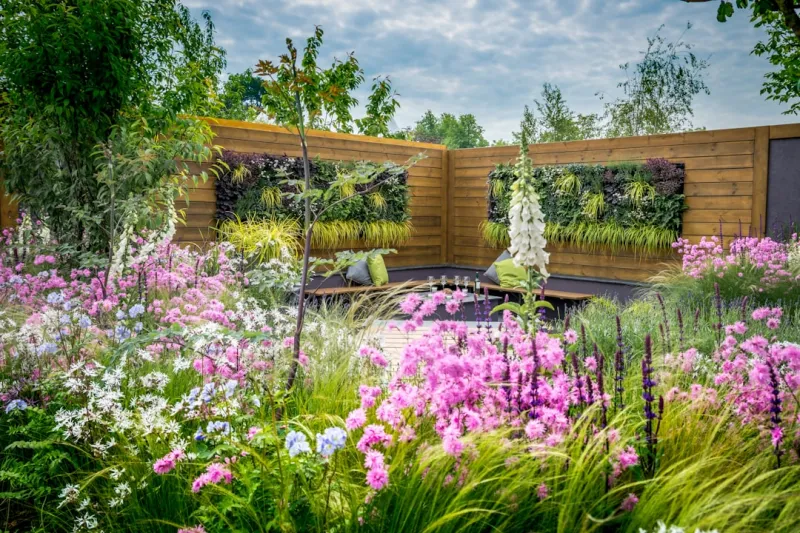
Introduction
Creating a vertical garden wall using repurposed pallets and colorful succulents is a rewarding and sustainable DIY project that allows you to enhance your living space while showcasing your creativity. In today's urban environment, where space is often limited, vertical gardens offer an innovative way to bring nature into your home or outdoor area without occupying too much ground space. This project not only beautifies your surroundings but also promotes a healthier living environment, as plants contribute to improved air quality and enhance mood.
Repurposing wooden pallets not only helps you save costs but also encourages environmentally-friendly practices by reducing waste. Utilizing pallets makes this venture an excellent choice for those who want to undertake an economical yet stylish gardening project. The succulents you choose can add a burst of color and vary in texture, enabling you to create a visually stunning focal point that can change with the seasons.
This project is beginner-friendly, requiring basic woodworking skills, a love for plants, and a bit of creativity. No matter if you’re aiming to enhance your patio, balcony, or even an indoor wall, making a vertical garden wall from repurposed pallets will not only give you satisfaction but also create a lively atmosphere filled with textures and colors that uplift your space.
Tools Needed
To embark on this DIY journey, you'll need a few essential tools to make your project both efficient and enjoyable. Here are the recommended tools:
- Saw: A hand saw or power saw is necessary for cutting the pallet to the desired size. This tool ensures you can customize your garden wall to fit any space.
- Drill: Needed for making holes in the pallets or for attaching additional components. A drill will make your work faster and easier.
- Screwdriver: For managing screws securely, a screwdriver is essential to tighten and stabilize your garden wall.
- Measuring Tape: Accurate measurements are crucial. A measuring tape ensures that you can make precise cuts and assemble your vertical garden correctly.
- Level: Ensuring your vertical garden is level will make it look neat and professional. A level is essential for alignment and overall aesthetics.
- Sandpaper or Sander: Use this to smooth out rough edges on the pallet, preventing splinters and ensuring a safe working condition.
- Gloves: Protect your hands while handling the pallet and during planting. Gloves help prevent injuries and keep your hands clean.
- Safety Goggles: Safety should always come first. Wearing goggles protects your eyes from dust and debris while working.
Materials
Here’s a comprehensive list of materials you will need to gather to create your vertical garden wall:
- Wooden Pallet(s): 1–3 depending on the size of your wall.
- Succulents: 10–15 different plants for a colorful variety.
- Potting Soil: 2 bags (approximately 2 cubic feet) for planting.
- Landscape Fabric: 1 roll (about 3 feet wide), used to line the back of the pallet for soil retention.
- Nails or Screws: 1 box of each for securing elements.
- Wood Stain or Sealant: 1 can for weatherproofing the pallet (if used outdoors).
- Hanging Hardware: 1 set to attach the pallet to the wall.
- Plastic Plant Pots or Containers: 10–15; these can house your succulents before planting.
- Fertilizer: All-purpose, to enhance plant growth (optional, 1 small bag).
- Watering can or spray bottle: Essential for watering your succulents after planting.
Step-by-Step Guide
### Step 1: Selecting Your Pallet
The first crucial step in your vertical garden project is to find the right pallet. Look for a clean and sturdy wooden pallet that is free from cracks, mold, and excessive wear. Pallets that are labeled with the “HT” (Heat Treated) stamp are preferable, as they do not involve harmful chemicals.
- Tip: If you have trouble finding a pallet, check local stores or online marketplaces that sell them or give them away for free. Ensure that the pallet is smaller if you’re working with limited wall space.
### Step 2: Preparing the Pallet
Preparation is key to ensuring your vertical garden is both functional and attractive. Start by sanding down any rough edges and surfaces to prevent splinters. This not only enhances the appearance but also keeps you safe while handling the pallets.
- Tip: You can also choose to stain or seal your pallet with an eco-friendly product to protect it from the elements, especially if it's going outside.
### Step 3: Cutting the Pallet (If Required)
Based on your desired size, you may need to cut the pallet down to fit your space better. Use your saw to make precise cuts, ensuring to follow your measurements closely. If you're unsure about cutting, it’s better to leave the pallet larger than needed; you can always trim it down later.
- Tip: Always use your measuring tape and level while cutting to ensure accuracy. Mark your cuts with a pencil for clearer visibility.
### Step 4: Attaching the Landscape Fabric
To retain soil and allow for drainage, it's essential to line the back of the pallet with landscape fabric. Cut the fabric to the size of each section of the pallet and attach it using a staple gun or nails.
- Tip: Make sure the fabric is taut but not overly tight; you want to create pockets for the soil that will sit in front of the fabric.
### Step 5: Filling with Potting Soil
Once your landscape fabric is in place, fill each section with potting soil. Use your hands or a small hand trowel to ensure the soil is packed evenly. This step is crucial as it provides a stable base for your succulents.
- Tip: Leave a little space at the top of each section to prevent soil from spilling out when watering.
### Step 6: Selecting and Planting Your Succulents
It's time to bring your vertical garden to life! Pick out your colorful succulents, trying to vary both color and texture. Plant them into the soil, pressing down gently to secure them in place.
- Tip: Be mindful of sun exposure requirements for each plant type. Position sun-loving plants at the top and shade-tolerant ones toward the bottom.
### Step 7: Watering Your Plants
After planting, water your succulents gently. A spray bottle can help provide the right amount of moisture without overwhelming the transplants. Succulents thrive best when their soil dries between watering, so don’t overdo it.
- Tip: If your succulents look wilted or cracked, you may be underwatering them, whereas mushy leaves could indicate overwatering.
### Step 8: Hanging the Vertical Garden
Now that your pallet garden is fully planted, it’s time to hang it on the wall. Measure the desired height and mark the positions for hanging hardware on the wall. Use a drill to create holes for your anchors, then securely attach the pallet to ensure it can support the weight of the soil and plants.
- Tip: Have a friend help you hold the pallet in place while you attach it to ensure it’s properly aligned and secure.
### Step 9: Regular Maintenance
Keep an eye on your vertical garden by assessing the moisture level of the soil and the overall health of the succulents. Prune any dead leaves and remove weeds as they appear. You can also add fertilizer every few months to encourage growth.
- Tip: Rotate your plants every now and then if they are not receiving consistent sunlight.
### Step 10: Enjoy Your Green Wall
Finally, step back and admire your hard work! Your colorful vertical garden wall will bring life and beauty to your space. Be prepared to share your creation with family and friends!
- Tip: Snapshot your progress throughout the seasons to see how the garden evolves and what works best for your plants!
Troubleshooting
As with any DIY project, challenges can arise. Here are some common issues you may encounter and their fixes:
1. Plants Wilting: This could be due to underwatering, especially during summer. Ensure you are watering them adequately but not excessively. Check the soil moisture frequently.
2. Soil Falling Out: If you notice soil spilling from the pallet, you might not have secured the landscape fabric tightly enough. Reinforce the fabric if needed or add more cushioning material behind it.
3. Pallet Rotting: If moisture is allowed to sit on wood for extended periods, it can lead to rot. Ensure proper drainage and consider applying a waterproof sealant. Regularly inspect for any damaged wood.
4. Sunburned Leaves: Succulents can get scorched if exposed to harsh sunlight for too long. Consider repositioning the garden to a partially shaded area or choose varieties that can tolerate direct sun.
5. Pests: If you notice unwanted insects on your garden wall, inspect each plant and remove pests manually, or treat with an organic pest control method like neem oil.
Conclusion
Creating a vertical garden wall using repurposed pallets and colorful succulents is not only a sustainable project but also a fantastic way to enhance your living space. With a little effort, you can transform an ordinary wall into a vibrant display of nature. Remember, every step you take contributes to the beauty and functionality of your garden.
You can experiment with the design by adding lights or decorations, or even swapping plants seasonally to keep things fresh. Regular maintenance will ensure your vertical garden wall remains healthy and stunning, inviting you to enjoy the nature it brings all year round.
Get started on your gardening adventure today!