How to create a vertical garden using reclaimed pallets and edible plants
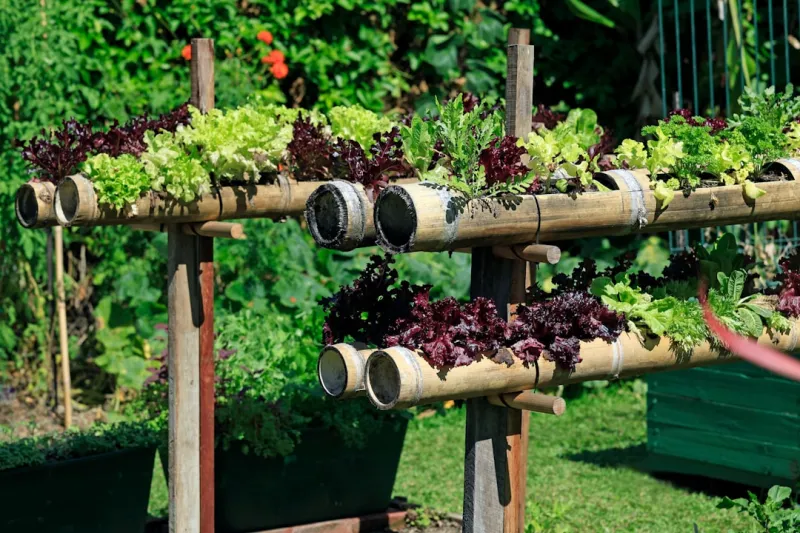
Creating a vertical garden using reclaimed pallets is a fantastic and environmentally friendly way to cultivate edible plants, especially if you're short on space. With urban living increasingly dominating our lifestyles, maximizing the use of space becomes essential. Vertical gardens not only add beauty in the form of greenery but also serve a functional purpose by providing fresh herbs, fruits, and vegetables right at your fingertips.
The idea of upcycling old pallets for this garden provides multiple benefits. First, it reduces waste by repurposing materials that would typically end up in landfills. Second, vertical gardens can improve air quality and promote biodiversity, creating a welcoming environment for pollinators like bees and butterflies. Additionally, growing your own edible plants means you can enjoy organic produce free from pesticides, making it a healthier option for your family.
This project is well-suited for beginners and requires a moderate skill level. You don't need to be a gardening expert to achieve stunning results. With a bit of patience and creativity, you can transform your outdoor space (or even an indoor area) into a lush vertical garden. By using reclaimed pallets, you can tap into a sustainable gardening practice while enjoying the added benefits of growing your own food.
Tools Needed:
- Saw: An essential tool for cutting the pallets to the desired size. A hand saw or power saw works well for this project.
- Screwdriver or Drill: To assemble the garden and secure the pallets. A drill may save you time and effort, especially if you are using screws instead of nails.
- Sandpaper or Sander: To smooth the wood surfaces, removing splinters and ensuring a safer gardening experience.
- Staple Gun: To secure landscaping fabric on the back of the pallets, preventing soil from falling through.
- Paintbrush or Paint Roller: If you wish to treat or paint the wood for longevity and aesthetic appeal, a brush will help apply finishes evenly.
- Measuring Tape: To gauge dimensions, ensuring your vertical garden fits well in its chosen location.
- Garden Gloves: Protect your hands during construction and planting; gardening can be tough on your skin.
- Trowel: A handheld tool for planting and digging in the soil.
- Reclaimed Pallets (2-4): Depending on how large you want your vertical garden to be, the quantity can vary. Look for sturdy pallets that are free from rot.
- Landscaping Fabric (1 roll, about 3 feet by 50 feet): This will line the back and sides of the pallet to hold the soil in but allow for drainage.
- Potting Soil (2 bags, 1 cubic foot each): A high-quality potting mix is essential for edging plants like herbs or small vegetables.
- Edible Plants (10-15 plants, based on your preference): Choose plants that don't grow too tall, such as herbs (basil, parsley, mint), strawberries, or dwarf varieties of vegetables (cherry tomatoes, pepper plants).
- Wooden or Metal Brackets (for support): Optional, but helpful for securing the pallet to a wall or fence securely.
- Screws or Nails (1 box): You'll need these to put together your pallets and to attach the brackets for mounting.
- Wood Stain or Sealant & Paint (1 quart each): If you want to help your garden blend with the surrounding space and protect the wood from elements.
- Watering Can or Hose: For watering the plants once your vertical garden is completed.
Step-by-Step Instructions
### Step 1: Choose Your Location
Choosing the right location for your vertical garden is crucial. Look for an area that receives at least 6-8 hours of sunlight daily, especially if you're planting sun-loving edibles like tomatoes and peppers. Ensure there are no overhanging branches that could block sunlight or rain. If your walls are making use of recycled pallets, consider proximity to water sources, so you won't have difficulty watering your plants later! Measure the area to ensure your garden fits well.
### Step 2: Select and Prepare Your Pallets
Find some reclaimed wooden pallets; preferably, you want ones made of heat-treated wood rather than those treated with chemicals. Inspect the pallets for damage—avoid those with splintered wood or broken slats since they won't hold soil well. Next, clean your pallets thoroughly. A mixture of water and vinegar can help remove dirt and debris. Sand any rough areas to prevent splinters. If you'd like, this is when you can apply wood finish or stain for longevity—just make sure it's safe for plants.
### Step 3: Cut and Assemble the Pallet
If necessary, cut your pallets to your desired height and width, depending on how much wall space you have available. Use a saw to achieve clean cuts. If you're creating more than one tier, ensure your cut pieces are equal in size. For vertical stacking, assemble them using a drill or screwdriver, ensuring they are tightly secured. If you're using brackets, attach these as well, reinforcing the structure for stability.
### Step 4: Add Landscaping Fabric
With your pallet structure ready, it’s time to line it with landscaping fabric. Cut a piece that covers the back and overlap the sides. Secure the fabric with a staple gun to hold it in place. This fabric will allow good water drainage while holding the soil in place, making sure your plants get the moisture they need without washing the soil away.
### Step 5: Fill With Potting Soil
Start filling the pallet with high-quality potting soil. Use your trowel to pack the soil tightly, ensuring there are no large air pockets. Layer the soil as you go, filling each section of the pallet up to about an inch from the top to allow for drainage. Packing the soil this way helps support the plants' roots and retains moisture effectively.
### Step 6: Select and Plant Your Edibles
Choose edible plants suitable for vertical gardening—many herbs or smaller vegetable varieties work well. Basil, cilantro, mint, and strawberries are excellent choices. When planting, be sure to consider the sunlight requirements for each type. Arrange taller plants at the bottom and smaller ones at the top, allowing each plant adequate sunlight and space to grow. Gently press the roots into the soil, ensuring they are well-established in their new home.
### Step 7: Watering and Maintenance
After planting all your edible varieties, water them thoroughly. Use a watering can or hose to give the soil a good soak. Be cautious; soil can escape through the slats initially if it hasn’t had time to settle. As your plants grow, keep an eye on their hydration needs, watering more frequently during hot days when the soil may dry out faster.
### Step 8: Attach the Pallet Structure to a Wall
To ensure the toppling of your vertical garden doesn't occur, securely mount your pallet against a wall or fence. Using brackets or screws, attach the pallets to the structure beneath it for stability. If unsure, try anchoring them to vertical beams or fence posts for extra support. Safety comes first—if your project is large, consider enlisting a friend to help for stability when attaching.
### Step 9: Monitor Growth
Once your installation is complete, monitor the plants closely over the next few weeks. Look out for signs of nutrient deficiency, pests, or diseases. Dead leaves or discolored plants indicate trouble, and you may need to address light or water levels. Over time, as your plants mature, consider pruning or harvesting whenever necessary to encourage growth.
### Step 10: Harvest Your Edibles
As your plants grow and produce, harvest them regularly. This prevents overcrowding, encourages new growth, and gives you fresh, flavorful ingredients for your cooking. Most herbs thrive when harvested often, promoting bushier plants. Enjoy the fruits of your labor in your meals or share with friends and family, taking pride in having created your very own vertical garden!
Troubleshooting Common Issues
1. Pests: If you notice pests invading your garden, spray them with a mixture of water and dish soap. This deters harmful insects while keeping your plants safe. 2. Plants Dying: If your plants appear to be wilting or dying, assess their sunlight and watering conditions. Ensure they're receiving enough water but not too much; overwatering can be just as harmful. 3. Soil Falling Out of Pallet: If you notice soil leaking out, check the landscaping fabric to properly secure it. You may also want to add more soil to ensure adequate snugness. 4. Discoloration of Leaves: Yellowing or browning leaves often indicates nutrient deficiency. Consider adding organic fertilizer to replenish nutrient levels. 5. Stunted Growth: Ensure that your plants have ample space and light. If they are too crowded or not getting enough light, consider re-spacing or relocating them.
Conclusion
Creating a vertical garden using reclaimed pallets is not only a rewarding project but also a sustainable way to grow your own food. With just a few materials and basic tools, you can transform an unused space into a vibrant green oasis filled with edible plants. Variations of this project can include using different types of pallets or experimenting with diverse plants suitable for your climate.
Ongoing maintenance involves regular watering, monitoring for pests, and keeping the plant sections tidy. With consistent care, your vertical garden will thrive and provide beautiful harvests of fresh produce for your kitchen. Enjoy this vibrant addition to your home; it’s an eco-friendly solution that brings the joy of gardening to any space!