How to create a vertical indoor garden using repurposed pallets and hydroponic systems
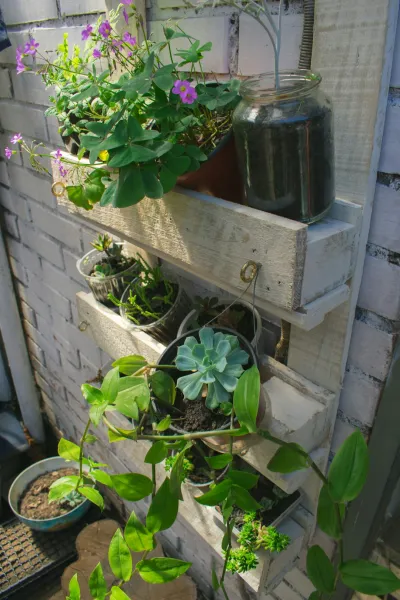
Introduction
In the concrete jungles of modern living, the need for green spaces has transcended mere aesthetics. With more people adopting urban lifestyles, transforming underutilized areas into lush, green landscapes has become a necessity to maintain peace of mind and a connection to nature. One fantastic way to achieve this is by creating a vertical indoor garden using repurposed pallets and a hydroponic system. Not only does this project offer an efficient use of space, but it also promotes sustainability by recycling materials that would otherwise end up in a landfill.
Building your own indoor garden may seem daunting, particularly if you’re a novice gardener or DIY enthusiast. However, this project is perfectly suited for beginners seeking to learn new skills without demanding too much time or investment. Vertical gardens provide multiple benefits: they create a stunning visual appeal, improve indoor air quality, and allow you to grow fresh herbs and vegetables year-round, regardless of external weather conditions. Hydroponics—which involves growing plants in a nutrient-rich water solution instead of soil—further enhances this project by saving space and optimizing plant growth.
In this guide, we will cover everything you need to know to create your own vertical indoor garden, from the necessary tools and materials to each detailed step in the process. By the end, you’ll have a flourishing indoor garden that not only beautifies your space but also nourishes your body. Let’s get our hands dirty and embrace the joy of gardening!
Tools Needed
1. Screwdriver or Drill: Essential for assembling the pallet structure. A drill speeds up the process, especially if you're using screws. 2. Saw: Necessary for cutting the pallets to the desired size. Ensure you have a handsaw or jigsaw that's suitable for wood work. 3. Paintbrush / Roller: To apply protective finishes or paint to the pallet. This method will improve durability and aesthetics. 4. Measuring Tape: To ensure accurate measurements when cutting wood and arranging your garden layout. Precision is key for stability. 5. Level: To make sure your vertical garden is perfectly vertical; this helps maintain aesthetic value and structural integrity. 6. Utility Knife: Handy for cutting fabric or DRIP TUBING and plastic sheets that will go inside the pallet. 7. Bucket: For mixing the nutrient solution for hydroponics. Choose a large container to help prevent spills. 8. Wire Cutters: Useful for cutting wires used in securing plants or hoses in your hydroponic system.
Materials
1. Wooden Pallets (2-3): Choose pallets that are in good condition; make sure they are not broken or rotting. 2. Plastic Sheeting (1 roll): To line the pallets, preventing leaks and protecting the wood. Look for heavy-duty plastic that can withstand moisture. 3. Hydroponic Nutrient Solution (1 quart): Specialized nutrients that your plants will need to thrive without soil. 4. Growing Medium (2-3 bags): Materials like rock wool or clay pellets that will support plants in the hydroponic system and assist with drainage. 5. Drip Irrigation System (1 set): Consists of a pump, hoses, and emitters. This system will help distribute water efficiently to your plants. 6. Net Pots (12-15): Small containers that hold your growing medium and plants, allowing roots to grow while maintaining stability. 7. Plant Seeds or Seedlings (various): Choose herbs like basil or mint, or small vegetables like lettuce; these are perfect for indoor hydroponic gardens. 8. Wood Sealer or Outdoor Paint (1 can): To protect the wood from moisture and prolong its life. Ensure it’s non-toxic if plants will be in direct contact. 9. Screws or Nails (1 box): To securely fasten the pallets together and aid in any additional framework needed for stability. 10. Power Strip or Timer (1 set): Useful if you're installing grow lights to ensure that your plants receive the Right light at the right time.
Steps to Create Your Vertical Garden
Step 1: Choose the Right Location
What: Finding an appropriate spot for your vertical garden is crucial. Look for a wall, balcony, or other vertical space that gets ample sunlight—usually about 6–8 hours a day for most plants.
How: Stand back and visualize where your garden will fit best. Take into consideration factors like accessibility (for watering and harvesting), proximity to power outlets (for grow lights if needed), and how it fits in with your overall interior design.
Tips: Be mindful of air circulation; overly enclosed spaces can lead to mold and rot. If sunlight is limited, consider installing LED grow lights.
Safety: Ensure that your chosen location won't cause any damage to walls or flooring when installing and that it can support the weight of the garden once filled with water and plants.
Step 2: Prepare Your Wooden Pallets
What: Once your location is identified, it’s time to prepare your pallets for planting.
How: Start by cleaning the pallets. Remove any loose debris and sand down rough surfaces to prevent splinters. If desired, paint or seal the wood with non-toxic sealant to increase durability—apply two coats for best results.
Tips: Avoid using pallets marked with “MB” (methyl bromide), a toxic chemical used for pest control. Look for pallets with the “HT” (heat-treated) mark.
Safety: Always wear gloves and a dust mask while sanding to protect against any dust particles and splinters.
Step 3: Cut and Arrange the Pallets
What: Depending on your space, you may want to stack or lean the pallets against the wall.
How: Use a saw to cut any pallets that need resizing. Arrange them in a staggered fashion, ensuring that they have enough space for air circulation and sunlight to reach all plants. Use the level to make sure each pallet is aligned properly.
Tips: Use a backer board (another flat piece of wood attached to the wall) for extra stability, especially if stacking pallets vertically.
Safety: Always wear safety goggles when cutting with a saw to protect your eyes from flying debris.
Step 4: Line the Pallets with Plastic Sheeting
What: A layer of plastic sheeting will protect the wood and help manage water drainage.
How: Cut the plastic sheeting to fit the front and sides of each pallet. Use a staple gun or duct tape to secure the sheeting to the wood. Make sure to leave the top open for planting.
Tips: Ensure that the plastic is tightly secured to prevent leaks. You can create pockets in the plastic to hold the growing medium and plants.
Safety: If using a staple gun, keep hands clear of the staple exit point to avoid injury.
Step 5: Install the Hydroponic System
What: A hydroponic system is crucial for providing nutrients to your plants.
How: Set up your drip irrigation system according to the manufacturer's instructions. Typically, this involves connecting a water pump to a reservoir (like a bucket), running hoses to your plants, and installing emitters at each pot.
Tips: Test the system before planting; run water through the system to ensure even distribution and check for any leaks.
Safety: Ensure all electrical components are safely wired and away from water. Use waterproof extension cords if needed.
Step 6: Fill with Growing Medium and Net Pots
What: The next step is to prepare your planting vessels.
How: Fill each net pot with the growing medium of choice (rock wool or clay pellets). Place the filled net pots into the openings created by the plastic sheeting in the pallet.
Tips: Leave some space at the top of net pots to avoid spillage when watering.
Safety: Avoid overfilling the net pots; excess media can obstruct drainage and lead to root rot.
Step 7: Plant Your Seeds or Seedlings
What: Now it’s time to populate your garden with plants!
How: Follow the specific planting instructions for each variety of seed or seedling. Bury seeds at their recommended depth and gently firm the medium around them.
Tips: If using seeds, consider starting them in smaller seed trays for greater success before transferring them to the vertical garden.
Safety: Ensure your hands are clean, as contaminants can affect plant health.
Step 8: Fill Your Reservoir and Start the Pump
What: The final step is to set up the water and nutrients needed for your hydroponic system.
How: Fill the reservoir (bucket) with water and add the hydroponic nutrient solution according to the instructions on the package. Start the pump and check for even distribution of water to all drip lines.
Tips: Monitor the water level and acidity regularly to ensure optimal plant growth.
Safety: Be cautious when working near electrical components. Ensure all wires and connections are insulated and waterproofed.
Step 9: Monitor and Adjust
What: After the installation, consistent monitoring is essential for success.
How: Keeping an eye on water levels, nutrient concentration, and plant health is vital. Regularly check for any disease or pest issues.
Tips: Keep a journal to track growth, adjustments, and any problems that arise, as this will help you improve future garden setups.
Safety: If you’re using electrical grow lights, ensure they are set up according to safety guidelines to prevent overheating.
Step 10: Harvest and Enjoy!
What: Finally, it's time to enjoy the fruits (and vegetables) of your labor!
How: Harvest your herbs and vegetables gently, ensuring you do not disturb the roots of the plant unnecessarily. Use scissors when cutting to avoid damaging the stems.
Tips: Regular harvesting promotes continued growth. Enjoy fresh herbs in your cooking or share your bounty with family and friends.
Safety: Be careful with sharp utensils during harvesting to prevent cuts and injuries.
Troubleshooting
Even with careful planning, issues may arise. Here are five common problems and their fixes:
1. Watering Issues: If plants are wilting, you may need to adjust the water flow or add more watering cycles. Conversely, root rot can occur from overwatering—make sure to adjust your nutrient and water levels.
2. Leaf Yellowing: A sign of nutrient deficiency or pH imbalance in the system. Test water pH and adjust nutrients accordingly. Make sure you're using hydroponic nutrients and not traditional garden fertilizers.
3. Pests: Look for signs of insects or fungus that can infest your vertical garden. Introduce beneficial insects like ladybugs or use insecticidal soap for treatment. Regular checks can help catch issues early.
4. Leggy Plants: If your plants are stretching too far towards the light, they are not getting enough. Consider adding additional grow lights or adjusting the height of your current lights.
5. Poor Growth: This can often be due to insufficient light or nutrient deficiencies. Monitor both parameters and adjust as necessary. Make sure that your plants are receiving at least the minimum light requirement.
Conclusion
Creating a vertical indoor garden using repurposed pallets and hydroponic systems is not only a rewarding endeavor but also a step toward a sustainable lifestyle. As we’ve explored, this project can beautify your home, improve air quality, and provide you with fresh produce. With a few tools, some creativity, and persistence, you can successfully cultivate a vibrant green thumb.
To vary this project, consider experimenting with different types of plants, various hydroponic techniques, or even integrating LED grow lights for optimal growth. Regular maintenance will ensure that your indoor garden continues flourishing; remember to monitor water levels, nutrients, and plant health diligently.
Appreciate the bounty of your indoor garden and enjoy the satisfaction of having cultivated your own green oasis right in your home!