How to create a vertical garden using repurposed wine bottles and reclaimed pallets
Intro
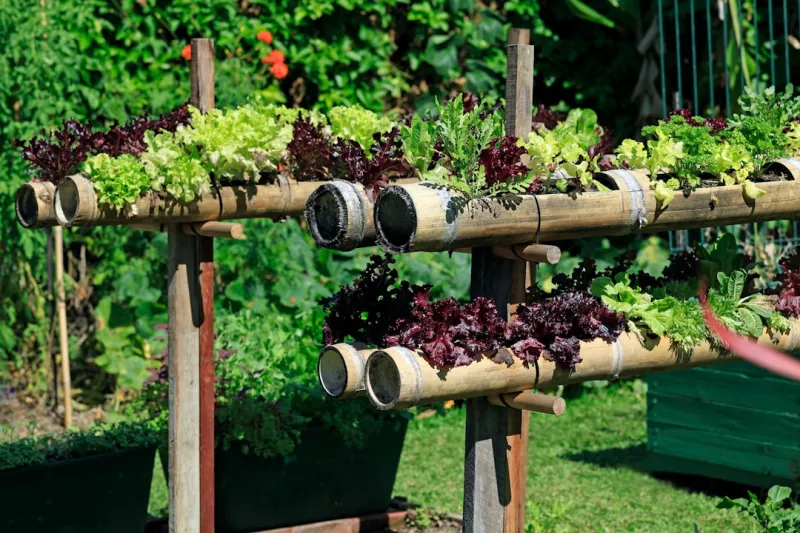
Gardening has evolved beyond traditional plots of land into exciting new dimensions, and one of the latest trends capturing the hearts of eco-conscious gardeners is the vertical garden. Vertical gardening not only adds a distinctive flair to your home or garden but also maximizes limited space, making it perfect for urban settings or small backyards. This DIY project, using repurposed wine bottles and reclaimed pallets, is not just an opportunity to beautify your surroundings, but it also promotes sustainability by minimizing waste.
So, why repurpose wine bottles and pallets? First, both materials are prevalent and often discarded. By transforming them into functional garden elements, you're contributing to environmental conservation. Additionally, vertical gardens have numerous benefits such as improved air quality, insulation, and the ability to grow a variety of plants including herbs, flowers, or even vegetables in a compact area. This project is perfect for beginners—it's simple enough to create, yet provides satisfying results that instill a sense of accomplishment.
The skill level required for this project is beginner-friendly. All you need is a bit of creativity, a couple of tools, and the willingness to get your hands a little dirty! Whether you’re an experienced gardener or a novice, this guide will walk you through every step of the process, ensuring a successful and fulfilling project. Let's dig in!
Tools Needed
Before you dive into your vertical garden project, make sure you have the right tools on hand. Here are six essential items you'll need:
1. Drill with Bits:
- Essential for making holes in the wine bottles and pallets. A drill will help you create the drainage holes and attach the bottles securely onto the pallet.
- Necessary for fastening screws into the pallet wood and attaching any components together. Choose either a manual or power screwdriver based on your preference and availability.
- Helpful for cutting the pallet to the desired size. A jigsaw is particularly useful for more intricate cuts, while a hand saw works well for straight cuts.
- Ideal for preparing the wine bottles, such as removing labels or cutting them, if necessary. It’s a versatile tool you'll use frequently in various gardening tasks.
- Ensures accurate measurements when cutting pallets and positioning bottles. Accurate measurements are crucial for the aesthetics of your vertical garden.
- Important for smoothing any rough edges on the pallet and bottles, ensuring safe handling and a polished look for your garden.
- Protects your hands from sharp edges, especially when handling both glass bottles and wood. They are essential for safety throughout the project.
- Keeps your plants hydrated. Once your vertical garden is complete, you'll want to ensure that the plants are watered adequately.
Materials
Gather the following materials before you begin. Here's a list of what you’ll need, along with recommended quantities:
1. Wine Bottles - 10-20 bottles
- Depending on the size of your garden and the amount of plants you wish to grow.
- You can often find these at local stores or warehouses for free, or purchase one for a small fee.
- Make sure to choose a lightweight mix to support vertical growth.
- Select a mix of herbs, flowers, or small vegetable plants. Aim for 10-15 small plants.
- Used for securing bottles to the pallet if needed.
- Ensure they're durable and rust-resistant for outdoor longevity.
- Optional, but useful for ensuring proper drainage in the bottles.
- For tying the bottles in place if they need extra support.
- For aesthetic purposes and additional weather-proofing the pallet.
- To protect the wood from moisture and the elements.
### Step 1: Prepare Your Pallet
Begin by cleaning your reclaimed pallet. Remove any loose debris or dust and make sure there are no exposed nails or splinters. Use sandpaper to smooth down rough edges. If you choose to paint or stain, this is the stage where you apply a weatherproof finish. Allow sufficient drying time to maximize longevity.
Tip: If your pallet is previously stained, you may want to sand it down to ensure the paint adheres well.
### Step 2: Select and Prepare Your Bottles
Gather your wine bottles, ensuring they are clean and free of labels. Soak them in warm soapy water for easy label removal. Once cleared of any residue, rinse the bottles thoroughly and let them dry. If you decide to cut them, use a utility knife and carefully score the bottle where you wish to cut. With supervision or experience, you may choose to use the chemical method or a glass cutter.
Safety: Wear gloves when handling glass to protect yourself from any sharp edges after cutting.
### Step 3: Create Drainage Holes
Using the drill, create holes at the bottom of each wine bottle to ensure adequate drainage. A 1-inch hole is sufficient. Remember, proper drainage is key to preventing root rot and promoting healthy plant growth.
Tip: If you're using plastic or rubber drainage discs, attach them near the bottom of the bottles to further enhance drainage.
### Step 4: Position the Bottles on the Pallet
Decide how you want to arrange the bottles on the pallet. A staggered pattern can create a visually appealing display while allowing sunlight to reach all plants. Start with the top row, and secure the bottom of each bottle with a screw or twine to the pallet. Repeat this for each subsequent row, ensuring that each bottle is stable.
Tip: Consider height and sunlight; shorter plants on the top and taller plants on the bottom help with accessibility and light exposure.
### Step 5: Secure the Bottles
Using wood screws or twine, securely fasten each bottle onto the pallet. Ensure they are tight enough to withstand wind and movement but avoid over-tightening, which could crack the bottles.
Tip: If using twine, create knots to ensure bottles stay in place. Wrap it around the neck of the bottle and attach to the pallet.
### Step 6: Fill the Bottles with Soil
Once your bottles are secured, add lightweight potting soil into each bottle. Fill them about three-quarters full to leave room for plants. A mix of potting soil and compost can provide nutrients for your plants.
Tip: Pat down the soil gently to create a firm base for the roots of the plants, but don’t overly compact it, as that can hinder drainage.
### Step 7: Plant Your Chosen Plants
Now comes the fun part—planting! Insert your chosen plants into the soil, ensuring that the roots are well positioned and covered. Water the plants lightly to settle the soil around their roots and to remove air pockets.
Tip: If you planted seeds, make sure to read their specific depth requirements for planting, as they will vary from plant to plant.
### Step 8: Water and Maintain
After planting, give your garden a good watering with a can or hose. It's important to maintain moisture, especially in the early stages. Check the soil regularly and continue to water as necessary, typically every few days depending on the plant needs and weather conditions.
Tip: Implement a watering schedule based on season and plant type. Some plants require more water than others.
### Step 9: Care for Your Vertical Garden
Your vertical garden will require regular maintenance, including pruning dead leaves, checking for pests, and ensuring that your plants receive enough sunlight. Adjust plant positions or rotate them if some areas are receiving too much or too little light.
Tip: Consider adding slow-release fertilizer once every couple of months to provide additional nutrients.
### Step 10: Enjoy Your Creation
Congratulations! You've created a vibrant vertical garden. Take some time to enjoy the fruits (and veggies!) of your labor. You might also consider taking photographs to document your journey or share on social media.
Tip: Invite friends over to admire your work or host a small garden party to celebrate your successful project!
Troubleshooting
As with any DIY project, issues can arise when creating your vertical garden. Here are five common problems and their respective fixes:
1. Water Pooling:
- Fix: Ensure your drainage holes are clear. If water is pooling at the base of your bottles, additional holes can be drilled for better drainage.
- Fix: Check the soil moisture. If it’s overly dry, provide a thorough watering. Conversely, if the soil is soggy, reduce watering frequency and ensure adequate drainage.
- Fix: Keep an eye out for pests. Use organic insecticides or natural deterrents like neem oil to manage infestations. Maintaining a clean, debris-free garden can also prevent pests.
- Fix: If plants are not getting enough light, consider repositioning your vertical garden to a sunnier location or rotating the position of individual bottles.
- Fix: Reinforce any bottles that feel loose by adding extra screws or twine. You might want to check if the adhesive used was sufficient and reinforce it if necessary.
Conclusion
Creating a vertical garden using repurposed wine bottles and reclaimed pallets is not just a fashionable way to showcase your gardening chops, but also a sustainable solution to space constraints in urban environments. With just a bit of effort and creativity, you’ve transformed discarded materials into a thriving green paradise. Whether you decide to grow herbs, flowers, or veggies, the lushness of your vertical garden will offer beauty, fresh produce, and a sense of accomplishment.
Additionally, there are numerous variations you can explore—consider different arrangements, sizes, or even adding decorative elements to personalize your garden further. With proper care and regular maintenance, your vertical garden will continue to thrive and bring joy for many seasons to come.
Happy gardening!