How to create a vertical hydroponic garden using repurposed plastic bottles and LED grow lights
Introduction
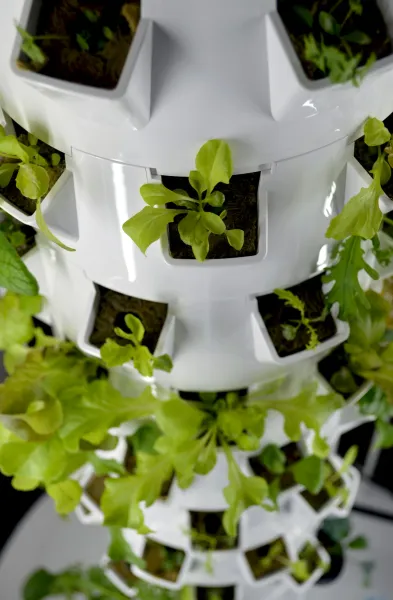
In the face of urbanization and diminishing green spaces, the passion for growing your own food has skyrocketed. Hydroponic gardening is a revolutionary method of cultivating plants without soil, allowing you to grow herbs, vegetables, and flowers right in your home. Among the various hydroponic systems out there, creating a vertical garden with repurposed plastic bottles is not only eco-friendly but also space-efficient, making it ideal for beginners or those with limited outdoor space.
This guide is perfect for anyone—whether you're a novice gardener or someone looking to dive deeper into sustainable practices. One major advantage of employing repurposed plastic bottles is that it's cost-effective, allowing you to utilize materials that would otherwise contribute to landfill waste. Additionally, growing vertically utilizes minimal ground space, providing an attractive focus in any room or outdoor area.
The use of LED grow lights enhances the growth potential of your vertical garden. They produce the specific light spectrum that your plants need, promoting photosynthesis while using less energy than traditional grow lights. Moreover, they generate less heat, protecting plants from heat stress.
This project is rated beginner to intermediate in skill level, making it accessible yet fulfilling, allowing you to unleash your creativity in designing your hydroponic setup. Not only will you enjoy the fruits (or veggies) of your labor, but you’ll also be contributing positively to your environment. Let’s dive in!
Tools Needed
- Utility Knife or Scissors: For cutting the plastic bottles into desired shapes and sizes. A clean cut will ensure more precise planting spaces.
- Drill with Drill Bits: To create drainage holes and secure mounting points. This tool is pivotal for ensuring that your plants don't drown in excess water.
- Screwdriver: If you plan to secure your vertical garden to a wall or frame, a screwdriver will help with the installation.
- Ruler or Measuring Tape: Promotes accuracy in measurements, crucial for achieving a balanced and aesthetically pleasing setup.
- Marker or Pen: For marking cutting lines and drill points on the plastic bottles.
- Hydroponic Nutrient Solution: Essential for providing your plants with the minerals they need to thrive without soil.
- Watering Can or Pump: To maintain adequate water levels and nutrient distribution within your vertical garden.
- Gloves: To protect your hands while working, especially when cutting bottles or handling plants and hydroponic solutions.
Materials
- Plastic Bottles (15-20): Typically, 500ml to 2-liter bottles are ideal.
- Nutrient Solution (1 liter): Look for a hydroponic-specific blend, which usually lasts several weeks depending on your garden's size.
- Net Pots (15-20): These will hold your plants and allow roots to grow freely into the nutrient-rich water.
- Growing Medium (Coco coir or Rockwool, 1 bag): This retains moisture and offers stability to plant roots.
- PVC Pipes or Wooden Frames (1-2): Optional but suitable for creating a sturdy vertical support structure.
- LED Grow Lights (1-2): Choose full-spectrum lights for optimal growth; the number depends on the size of your garden.
- Water Pump (1): This will circulate water through your system and maintain nutrient levels.
- Tubes or Flexible Hose (5 feet): Needed for connecting the pump to your garden.
- Plastic Sheeting (1 roll): To create a base that captures excess water below the garden.
- Shovel or Trowel: For mixing your growing medium and planting seeds. It’s also handy for moving other materials during setup.
Step-by-Step Guide
Step 1: Prepare Your Plastic Bottles
What: Begin by thoroughly cleaning the plastic bottles to remove any residues. This ensures that your plants are not exposed to harmful chemicals and that you have a clean surface for planting.
How:
- Rinse the bottles with warm soapy water, making sure to get into the crevices.
- Cut the bottles in half or create slits in the sides, depending on how you want to position them. Generally, cutting around one-third from the bottom provides ample space for the roots.
Safety: Always handle the utility knife or scissors carefully to avoid injury. Use gloves if you're prone to cuts.
Step 2: Create Drainage Holes
What: Ensuring proper drainage is crucial in hydroponic gardening. If there are no holes, water will accumulate, causing root rot.
How:
- Using a drill or a heated screwdriver, create small holes at the bottom of each bottle. Around 3-5 holes should suffice.
- If only cutting holes, be careful not to make them too large, as the growing medium could fall out.
Safety: Ensure your hands are clear of drill bits when operating the drill; keep it steady and avoid disturbing the bottle's structure.
Step 3: Assemble the Vertical Structure
What: You'll want to create a supporting structure that allows you to stack or hang your bottles vertically.
How:
- If you are using PVC pipes, secure them to a wall or frame using brackets or screws.
- If opting for wooden frames, arrange the frames at an angle, allowing the bottles to rest at intervals that suit your design.
Safety: When using power tools, wear safety goggles and follow manufacturer instructions to avoid accidents.
Step 4: Fill with Growing Medium
What: The growing medium acts as a support structure for your plants while retaining moisture and nutrients.
How:
- Fill the net pots with your chosen growing medium, leaving some space at the top for plant roots.
- Depending on the medium type, you need to ensure it's damp but not overly saturated.
Safety: Always wear gloves when handling growing mediums and ensure a clean workspace to avoid any contaminated materials.
Step 5: Plant Your Seeds or Seedlings
What: It's time to introduce your seeds or seedlings into the hydroponic system.
How:
- Place seeds in the medium or transplant seedlings carefully, making sure not to damage their roots.
- Space them as per the plant's spacing recommendations to allow optimal growth.
Safety: Small tools like tweezers can help you plant seeds without getting your hands too close to the medium.
Step 6: Set Up the LED Grow Lights
What: Adequate light is vital, especially if your indoor environment lacks natural sunlight.
How:
- Depending on your vertical garden height, install the LED grow lights above the plants, typically 12-24 inches away.
- Ensure the lights are evenly spaced over the garden to avoid dark spots.
Safety: Ensure that LED lights are properly secured and that wiring isn’t exposed. Avoid placing them in contact with the water below.
Step 7: Create an Automated Watering System
What: The heart of your hydroponic system requires an effective watering mechanism.
How:
- Connect a small water pump to your nutrient solution reservoir.
- Use tubes to create a drip system or water circuit, allowing a constant flow of the nutrient solution to all your bottles.
Safety: Ensure all electrical components are securely shielded from water. Always use a Ground Fault Circuit Interrupter (GFCI) outlet.
Step 8: Monitor and Maintain Your Garden
What: Regular monitoring is essential for keeping your garden healthy and productive.
How: Check plant health, nutrient solution levels, and light exposure. Tweak the growing conditions as needed.
Tips: Keep a journal—records of growth rates, nutrient levels, and overall health will provide insights for future improvements.
Safety: When measuring nutrient levels, avoid using contaminated tools, and wear gloves when handling any solutions.
Step 9: Introduce the Nutrient Solution
What: The nutrient solution is vital for feeding your plants without soil.
How:
- Fill your reservoir with water, then add the recommended amount of hydroponic nutrient solution according to the instructions.
- Stir well to ensure an even mixture.
Safety: Wear gloves when handling concentrated nutrient solutions, and avoid ingestion or contact with face/eyes.
Step 10: Troubleshoot Common Issues
What: Preparing for potential problems can save time and plant health.
How: Monitor for signs of nutrient deficiency, pests, or light issues. If you notice any drops in growth or discoloration, adjustments may be necessary.
Tips: Investing in a basic pH meter can help you keep tabs on water acidity, ensuring nutrient availability for your plants.
Safety: If using any chemical pesticides or growth enhancers, familiarize yourself with proper handling procedures and emergency actions in case of contact.
Troubleshooting
Even the best setups can encounter issues. Here are five common problems and their fixes:
1. Yellowing Leaves: This often indicates nutrient deficiencies. Adjust your nutrient solution levels and check for proper pH balance.
2. Root Rot: If roots appear brown or mushy, this is usually due to overwatering. Ensure your drainage holes are effective, and consider adjusting the watering schedule.
3. Pests and Infestations: Tiny bugs can invade your garden. Regularly inspect your plants and consider introducing natural predators or organic insecticides.
4. Inadequate Growth: If your plants aren't thriving, check if they are receiving sufficient light. Adjust the placement or duration of your LED grow lights.
5. Mold Growth: Mold can develop on the growing medium or around the water reservoir. To prevent this, ensure good air circulation and avoid overwatering.
Conclusion
Creating a vertical hydroponic garden with repurposed plastic bottles and LED grow lights is an engaging, eco-friendly, and educational project suitable for anyone interested in sustainability. Not only do you contribute to reducing plastic waste, but you also grow fresh produce right at home, promoting healthier eating habits. The beauty of this system lies not just in its function but in its adaptability.
Feel free to experiment with different plants, adjust the vertical layout, or even implement smart technology to automate your watering system. The possibilities are endless!
Maintenance is straightforward—regular checks on light, water, and nutrient levels will ensure a thriving environment for your plants. Just remember, your garden is a reflection of your creativity. Have fun growing!