Introduction
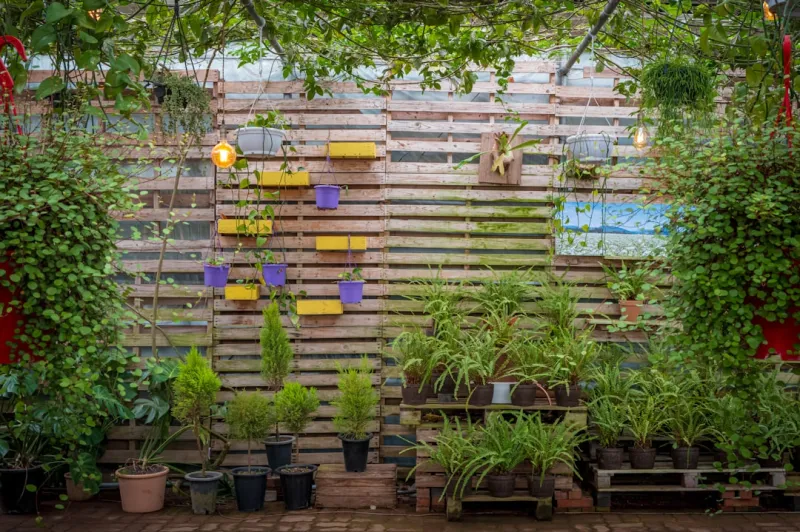
Garden Wall Using Repurposed Wooden Pallets And Succulent Plants
Garden Wall Using Repurposed Wooden Pallets And Succulent Plantsbody.navh1.rating.hero-img.share.btn Garden Wall Using Repurposed Wooden Pallets And Succulent Plants Garden Wall Using Repurposed Wooden Pallets And Succulent Plantsh2.content p Garden Wall Using Repurposed Wooden Pallets And Succulent Plants Garden Wall Using Repurposed Wooden Pallets And Succulent Plants Garden Wall Using Repurposed Wooden Pallets And Succulent Plants Garden Wall Using Repurposed Wooden Pallets And Succulent Plantsh2a Garden Wall Using Repurposed Wooden Pallets And Succulent Plants Garden Wall Using Repurposed Wooden Pallets And Succulent Plantsh2a Garden Wall Using Repurposed Wooden Pallets And Succulent Plants Garden Wall Using Repurposed Wooden Pallets And Succulent Plantsh2a Garden Wall Using Repurposed Wooden Pallets And Succulent Plants Garden Wall Using Repurposed Wooden Pallets And Succulent Plantsh2a Garden Wall Using Repurposed Wooden Pallets And Succulent Plants Garden Wall Using Repurposed Wooden Pallets And Succulent Plantsh2a Garden Wall Using Repurposed Wooden Pallets And Succulent Plants Garden Wall Using Repurposed Wooden Pallets And Succulent Plantsh2a Garden Wall Using Repurposed Wooden Pallets And Succulent Plants Garden Wall Using Repurposed Wooden Pallets And Succulent Plantsbody.Nav.Nav ah1.rating-chip.hero-imgh2pulli.social-share.share-grid.btn#fb-root} Garden Wall Using Repurposed Wooden Pallets And Succulent Plants Garden Wall Using Repurposed Wooden Pallets And Succulent Plantsimgh2.btn-box.btn Garden Wall Using Repurposed Wooden Pallets And Succulent Plants Garden Wall Using Repurposed Wooden Pallets And Succulent PlantsIntroCreating a vertical garden wall using repurposed wooden pallets is not only a sustainable but also a beautiful way to bring the essence of nature into your space. In recent years, the trend of vertical gardens has gained immense popularity due to their ability to maximize limited space while adding an aesthetic appeal to both indoor and outdoor environments. Vertical gardens are especially favorable for those who live in urban settings, where outdoor space may be scarce but the desire for greenery is strong.Using succulent plants for this adds to the charm and practicality of your vertical garden. Succulents are Lownance plants that come in a myriad of shapes, sizes, and colors, making them perfect candidates for any vertical garden. They are Droughtant, thrive under various conditions, and require minimal watering, which makes them an ideal choice for beginners.This is Beginner-friendly and requires only a moderate level of skill. Upcycling wooden pallets reduces waste, provides a rustic yet chic appearance, and gives you a chance to engage in a hands-on way of gardening. With this detailed guide, you will learn how to construct your own vertical garden wall using repurposed wood pallets, transforming your garden or balcony into a lush and inviting green space.
Tools Needed
- Power Drill: Essential for drilling holes and securing screws. A power drill will make the assembly faster and more accessible.Saw (Hand or
- Power): Required for cutting the pallets and any excess wood to ensure your garden wall fits the desired space.
- Screwdriver: Necessary for tightening screws and ensuring a sturdy structure.
- Measuring Tape: Helpful for obtaining accurate dimensions for both the pallets and the space where the vertical garden will hang.
- Wire Cutters: Needed for trimming the wire mesh that will act as support for the plants.
- Garden Hoe or Trowel: Used for soil preparation and planting succulents into the prepared spaces.
- Level: Ensures your vertical garden is perfectly straight during the installation process.
- Gloves: protect your hands from rough surfaces of the pallets and while working with soil.
Materials
- Wooden Pallets: 2-3 sturdy pallets (free or reclaimed)Hanging
- Hook or Bracket: 2 heavy-duty hooks or brackets for securing pallets to a wall (1 for each pallet).
- Landscape Fabric: 1-2 yards to line the back of each pallet.
- Wire Mesh: 1-2 yards for extra support and drainage.
- Soil: 2-3 bags of cactus/succulent potting mix for optimal drainage and health.
- Succulent Plants: approximately 15-20 plants, depending on the sizes and spacing.
- Burlap or Garden Twine: For securing the mesh and fabric.
- Wood Sealer or Outdoor Paint: 1 can if you prefer to treat the pallets for durability against the elements.
Step 1:
Choosing and Preparing Your PalletsBefore you dive into building, select the right wooden pallets. Look for pallets that are in good condition—avoid any that are broken, shaky, or stained with chemicals. Once you have your pallets, you need to clean them thoroughly to stop any potential growth of mold or pests. Use a wire brush and warm, soapy water, then let them dry completely.
Tip: Look for pallets with the “HT” stamp indicating they have been HEatd and are safe for use.
Step 2:
Cutting and Assembling the PalletsAfter cleaning, assemble the pallets in the desired formation. If you plan to stack them vertically, each pallet should be approximately the same height. Use a power saw to cut down any excess wood, taking care to wear protective goggles and a mask while cutting to avoid injury or inhaling dust.
Tip: If you aim to create a staggered or layered effect, cut your pallets to different heights to add depth to your vertical garden.
Step 3:
Securing the Landscape FabricNext, you’ll want to line the back of each pallet with landscape fabric to retain soil while allowing moisture to escape. Cut the fabric to the appropriate size and secure it using a staple gun across the edges—be sure to pull it tight to avoid any sagging.
Tip: Leave a few extra inches at the top to fold over and attach, creating a pocket for the soil.
Step 4:
Adding Wire Mesh for SupportThis step involves cutting a piece of wire mesh to fit over the fabric-laden pallet. The mesh will maintain the structure of the soil and plants. Using wire cutters, trim the mesh to size and attach it to the fabric and pallet using garden twine.
Tip: Ensure that the mesh is secured tightly to support the weight of the soil and your succulent plants.
Step 5:
Prepping the SoilNow it's time to prepare the soil mixture. Succulents thrive in Wellng soils, so a cactus mix is ideal. If you’re mixing your own, consider a combination of potting soil, sand, and perlite for optimal drainage.
Tip: Mix ingredients in a bucket to ensure even distribution of each component.
Step 6:
Planting SucculentsStart planting your succulents into the pockets created by the fabric and soil mixture. Dig a small hole using a trowel, place the succulent in, and gently pack the soil around it to secure it in place. Space the plants according to their growth patterns, allowing enough room for them to spread.
Tip: Plan out your arrangement beforehand to create a visually appealing design. Group similar colors and forms for a cohesive look.
Step 7:
Mounting Your Vertical Garden WallThis step involves attaching the pallet to the wall or space you've designated for your vertical garden. Use heavy-duty hooks or brackets, ensuring you're securing them into wall studs for maximum stability. Use a level to keep the pallet straight as you mount it.Safety
- Consideration: Make sure you're using a drill appropriate for the wall material; for example, use masonry bits for concrete walls.
Step 8:
Watering and CareOnce your succulent wall is mounted, give it a thorough watering to settle the soil. Water the plants lightly and regularly, ensuring you do not overwater, as succulents can rot easily.Care
Tips: Monitor your garden for any signs of stress like wilting or discoloration. Fertilize sparingly with a diluted succulent fertilizer about once a month.
Step 9:
Maintenance and
2026 •