How to create a vertical garden using upcycled plastic bottles and pallets
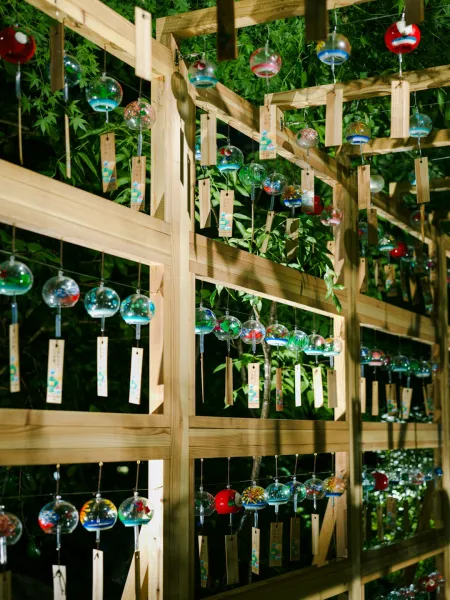
Introduction In today's world, where urban living is becoming increasingly common, the need for green spaces has never been more essential. Vertical gardening offers a perfect solution for those short on land but high on green aspirations. Utilizing vertical space not only maximizes your gardening potential but also enhances the aesthetic of your living environment. If you’re keen to dive into sustainable living, creating a vertical garden using upcycled materials can be a rewarding project. This particular guide focuses on two easily accessible materials: plastic bottles and wooden pallets.
Why use plastic bottles? These ubiquitous items can take centuries to decompose in landfills, and by choosing to repurpose them, you reduce plastic waste while creating something beautiful. On the other hand, pallets are often discarded after a single use, making them a prime candidate for upcycling. Creating your own vertical garden is also a budget-friendly endeavor, allowing anyone with a touch of creativity to cultivate vibrant herbs, vegetables, or even flowers.
Throughout this DIY guide, you can expect to engage with an environmentally friendly project that elevates your gardening skills while being accessible to beginners. It requires minimal tools and materials, making it a perfect introduction to sustainable gardening. With a little effort, you’ll not only beautify your space but also promote a lifestyle that embraces eco-consciousness and self-sufficiency.
Benefits of a Vertical Garden:
- Space Efficiency: Ideal for small spaces, allowing you to plant a variety of greens in compact areas.
- Aesthetic Appeal: They offer an eye-catching visual that can enhance any setting, whether indoor or outdoor.
- Air Quality Improvement: Plants naturally filter air pollutants and contribute to better air quality in your home.
- Food Production: Cultivating your own herbs or vegetables can lead to fresher meals and a healthier lifestyle.
- Educational Experience: This project teaches sustainability and encourages community awareness about recycling.
---
Tools Needed
1. Utility Knife: This is essential for cutting plastic bottles and may also be useful in dismantling pallets.
2. Drill with a Drill Bit: You'll need this tool for creating drainage holes in the bottles and attaching the pallet to your wall.
3. Screwdriver: A regular and/or Phillips screwdriver helps to assemble the pallet structure and secure bottles in place.
4. Sandpaper: It smooths out any rough edges on the wooden pallets, ensuring safety during assembly.
5. Measuring Tape: To measure the dimensions of your vertical garden accurately, as well as for planning bottle placements.
6. Paintbrush (or Sponge): If you choose to paint or seal the pallet for aesthetics and weatherproofing, a brush will help with an even application.
7. Gloves: Protect your hands while working with plastic and wood materials; gloves also help ensure better grip.
8. Safety Goggles: Essential to protect your eyes from plastic shards or wood splinters during cutting and drilling.
---
Materials
- Plastic Bottles: 10-15 transparent or colored bottles, depending on the desired size of your garden.
- Wooden Pallet: One standard pallet; ensure it’s in good condition, free from mold or damage.
- Potting Soil: Approximately 6-10 quarts, depending on the number of plants you intend to grow.
- Plants/Seeds: Choose small herbs or flowers; a variety like basil, mint, and strawberries will do well in vertical setups.
- Nails or Screws: 20-30 nails or screws to secure the pallet and bottles; make sure they are rust-resistant.
- Plastic Sheeting or Landscape Fabric: A piece large enough to line the back of the pallet; promotes soil retention and drainage.
- Staple Gun: To attach the landscape fabric to the pallet.
- Watering Can: To ensure that your plants receive enough water once your vertical garden is established.
Step-by-Step Guide
### 1. Gather Materials and Prepare Your Work Area
Before you begin creating your vertical garden, gather all necessary tools and materials. Choose a suitable workspace that has ample lighting and is free from clutter. Lay down a protective sheet or some cardboard to catch excess soil or debris during the process. Familiarize yourself with the tools so you're comfortable using them. Ensure that your plastic bottles are cleansed of any remnants and labels are removed for a polished look.
### 2. Select and Prepare Your Pallet
Choose a wooden pallet that is sturdy enough to hold the weight of the plants and soil. Inspect it closely for any rot or damage. If you spot anything concerning, it’s best to discard that pallet. Use sandpaper to smooth out rough surfaces and edges to avoid splinters. Feel free to paint or stain the pallet with a weatherproof sealant to improve durability and aesthetics. Allow any stain or paint to dry according to the product instructions before proceeding to the next step.
### 3. Cutting Plastic Bottles
Using your utility knife, carefully cut the plastic bottles in half or make openings on the sides that will allow soil and plants to thrive. The cut should be large enough to let you insert potting soil and small plants easily; however, ensure that there is enough of the bottom of the bottle intact to hold soil. If you'd prefer a decorative touch, cut openings in a way that forms a unique design, such as heart or star shapes.
### 4. Drill Drainage Holes
To prevent water accumulation that can lead to root rot, it’s essential to drill holes at the bottom of each half-bottle. Use the drill with a suitable drill bit to make small holes. Alternatively, if your bottles have bottom caps, you could also puncture holes in the caps. This will help drainage while keeping the soil intact.
### 5. Attach Bottles to the Pallet
With your bottles prepared, it's time to secure them to your pallet. Starting from the bottom and working your way up (or vice versa), use nails or screws to attach the bottles to the pallet. Pay attention to the positioning of the bottles – they should be stable enough to hold soil and plants once secured. Use a level to ensure that each bottle is straight, or embrace an artistic slant for an organic look.
### 6. Line the Back of the Pallet
To maximize soil retention and prevent any potential leaks from reaching your wall or floor, line the back of the pallet with a piece of plastic sheeting or landscape fabric. Cut the material to fit and use a staple gun to securely fasten it. This will give your garden a neat appearance while offering additional support for retaining moisture.
### 7. Fill with Potting Soil
With the bottles and pallets secure, it’s time to fill the bottles with potting soil. Use your fingers to gently pack the soil into the bottles, ensuring there are no significant air pockets. Aim to fill them to just below the cut edge or opening of the bottle to accommodate plant growth. Be cautious not to overfill, as compacting the soil can create drainage issues.
### 8. Plant Your Seeds/Plants
After filling the bottles with soil, it’s time for the fun part: planting! Choose young plants or seeds that suit your gardening goals. If using seedlings, gently remove them from their original containers and place them in the prepared bottles, ensuring that the roots are adequately covered with soil. If using seeds, plant them according to the recommended depth on the seed packet. Water the bottles thoroughly after planting, allowing excess water to drain out.
### 9. Watering and Maintenance
After establishing your vertical garden, it's crucial to implement a watering routine. Check the moisture level of the soil regularly, watering when the top inch feels dry. Plants in vertical systems may dry out faster due to sunlight exposure and airflow, so monitor closely. Ensure there’s a consistent watering schedule and consider using a watering can with a long spout to target specific plants without over-saturating others.
### 10. Finding the Right Location
Finally, position your pallet in an area where it can receive adequate sunlight, but not too harsh a direct exposure. If you plan to hang it on a wall, make sure it's securely attached and stable. If using it in an outdoor space, place it against a fence or wall where it can be easily maintained.
---
Troubleshooting
1. Overwatering Issues: Symptoms: Wilting or yellowing leaves. Solution: Allow the soil to dry out before watering again. Check for drainage problems and ensure that the drainage holes in your bottles are unobstructed.
2. Pest Infestation: Symptoms: Holes in leaves or visible bugs. Solution: Regularly inspect your plants, and consider introducing beneficial insects like ladybugs, or create a natural pest-repellent spray using a mixture of water and soap.
3. Fungal Growth: Symptoms: White or fuzzy spots appearing on soil and plants. Solution: Ensure you are rotating your plants’ positions and providing good air circulation. Avoid overcrowding and remove any infected leaves.
4. Bottles Falling Off: Symptoms: Bottles detaching from the pallet. Solution: Check that your bottle attachments are secure and reinforced with screws if necessary. Consider adding a layer of adhesive for extra stability.
5. Inadequate Growth: Symptoms: Weak or sparse plants. Solution: Ensure your plants are receiving enough sunlight and nutrients. You may need to feed them with liquid fertilizer or adjust their location for better sunlight exposure.
---
Conclusion Creating a vertical garden from upcycled plastic bottles and pallets is a rewarding endeavor that you'll cherish while promoting environmental sustainability. Not only does it empower you to grow your own herbs, vegetables, and flowers, but it also beautifies your space and offers a sense of accomplishment as you witness your plants flourish.
Feel free to explore variations of this project – for instance, you can customize plant selections, paint the pallet in vibrant colors, or even integrate hanging lights for night-time appeal. Furthermore, regular maintenance is essential; check for weed growth, replenish soil nutrients, and ensure adequate watering.
Before you know it, you'll have a gorgeous vertical garden that stands as a testament to your creativity and commitment to sustainability!