How to create a vertical garden using repurposed pallets and decorative succulents
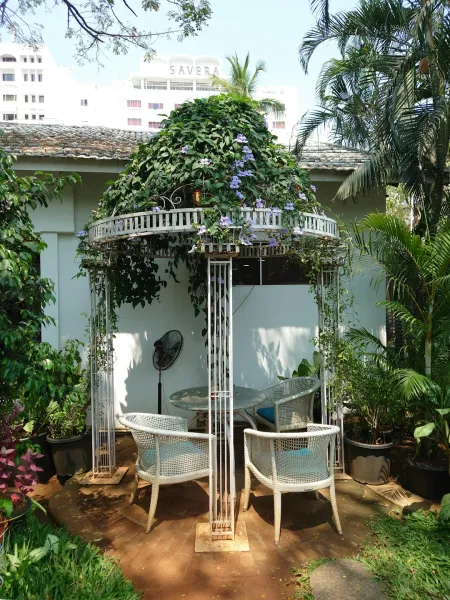
Creating a vertical garden is not only a fantastic way to express your gardening creativity, but it also provides a functional and aesthetic solution for those with limited space. In urban environments, where sunlight is scarce and square footage is precious, a vertical garden can transform a dull wall or fence into a gorgeous display of greenery. This particular project focuses on using repurposed pallets to create a stunning vertical garden filled with decorative succulents.
Why This Project?
Repurposing pallets is an eco-friendly way to reduce waste while creating a visually appealing garden feature. The rustic charm of wooden pallets combined with the vibrant colors and unique shapes of succulents makes for a striking combination. Additionally, succulents are low-maintenance plants that can thrive in various light conditions, making them ideal for beginners.
Benefits of a Vertical Garden:
- Space Efficiency: Perfect for small areas, balconies, or patios, allowing you to grow a variety of plants without taking up valuable ground space.
- Creativity and Personalization: Choose your pallet design and plant arrangements to create a unique garden that reflects your style.
- Improved Air Quality: Plants naturally filter and purify the air, contributing to a healthier environment.
- Therapeutic Benefits: Gardening has been linked to reduced stress and improved mental wellbeing.
Tools Needed
1. Saw: To cut the pallet to your desired size for easy handling and fitting into your available space. 2. Hammer: Essential for assembling the pallet and securing the frame. 3. Nails or screws: For deeper connections, especially when reinforcing the pallet. 4. Landscape fabric: To line the back of the pallet to hold soil without letting it fall out, helping retain moisture. 5. Drill: Useful for making holes for drainage and attaching hardware if you wish to secure the pallet to a wall. 6. Screwdriver: Needed for fastening screws and securing elements. 7. Measuring tape: To ensure your cuts and placements are accurate for a visually appealing result. 8. Gloves: Keep your hands protected while working with wood and soil.
Materials
1. Wooden Pallet: 1 piece (choose a sturdy pallet that is free of chemical treatments). 2. Potting Soil: 2-3 bags (ensure it's suitable for succulents and has good drainage). 3. Succulents: 10-20 plants (choose various types for visual interest). 4. Landscape Fabric: 1 roll (enough to cover the back and interior sections of the pallet). 5. Wood Stain or Sealer: 1 quart (optional—protects the wood and enhances aesthetics). 6. Wire Mesh or Chicken Wire: 1-2 feet (to prevent soil from falling through). 7. Staple Gun: For attaching the landscape fabric securely to the pallet. 8. Hooks or Wall Brackets: 2-4 pieces (if you plan to hang the pallet on a wall). 9. Watering Can or Spray Bottle: For watering your succulents properly. 10. Decorative stones or pebbles: 1 bag (optional, for decor and moisture retention).
Step-by-Step Guide
### Step 1: Gather Materials and Tools
Before starting your project, gather all the necessary tools and materials to ensure you have everything on hand. This will save you time and frustration during the process. Locate a clean workspace, preferably outdoors, where you can cut materials and work with soil without making a mess indoors.
### Step 2: Choose and Prepare Your Pallet
Select a wooden pallet that is sturdy and free of any chemicals, such as heat-treated (marked with “HT”). Remove any loose debris or nails by inspecting the pallet thoroughly. If you prefer, you can lightly sand the surface to eliminate any splinters. If desired, apply wood stain or sealant to enhance its appearance and protect it from outdoor elements. Allow the stain to dry completely before proceeding.
### Step 3: Cut the Pallet (if necessary)
Depending on the size of your outdoor space, you may want to cut your pallet to fit. Use a saw to carefully reduce its height or width. Make precise measurements and mark the cuts with a measuring tape. A straight cut ensures the structure is square, which is visually pleasing. Always wear gloves to protect your hands.
### Step 4: Line the Pallet with Landscape Fabric
Once your pallet is prepared, lay it flat and start stapling the landscape fabric onto the back and sides. Allow the fabric to overlap the edges to ensure it properly retains soil. This fabric serves as a barrier to prevent soil and roots from falling out while still permitting water drainage. A staple gun will allow you to secure the fabric effectively. Trim any excess fabric to keep it tidy and ensure it does not impede the aesthetic appeal.
### Step 5: Position the Wire Mesh
After lining the fabric, place the wire mesh or chicken wire in front of the landscape fabric. This additional layer will help further keep the soil in place while allowing for drainage. Use the staple gun to attach the wire mesh to the pallet. Ensure that it is tight to prevent any soil from spilling through the gaps.
### Step 6: Fill with Potting Soil
Carefully fill the lined sections of the pallet with potting soil, creating sections for your succulents to thrive. Press down gently as you go to eliminate air pockets without compacting the soil too much. Remember, drainage is crucial for succulents. Leaving enough space at the top for the plants will provide them with ample room to establish their roots.
### Step 7: Plant Your Succulents
Now the fun part begins! Select your succulents and remove them gently from their nursery pots. Dig small holes in the soil and position the plants so the roots are well-covered. Vary the types of succulents you use for added texture and color, and arrange them in a visually appealing manner. Consider factors like height and color contrast to create a balanced look.
### Step 8: Water Your Plants
Once your succulents are in place, gently water them using a watering can or spray bottle. Be careful not to overwater—succulents thrive in dry conditions. Allow the soil to settle around the plants and provide moisture while ensuring that excess water drains away.
### Step 9: Secure the Pallet
If you plan on hanging the pallet, use hooks or wall brackets for stabilization. Find a wall that receives adequate sunlight and securely attach the pallet either horizontally or vertically based on your choice. Make sure to use a level to ensure the pallet hangs evenly. If placing it on the ground, choose a stable spot where it won’t fall over easily.
### Step 10: Add Decorative Elements
To finalize your vertical garden, you can add decorative elements such as stones or pebbles around the base of the plants for added charm. This not only enhances aesthetics but can also help retain moisture in the soil. Sit back and admire your beautiful creation, knowing that it’s a testament to your hard work and creativity!
Troubleshooting
Even the best-laid plans can go awry. Here are some common issues you might encounter while creating your vertical garden, along with their fixes:
1. Overwatering: If your succulents appear mushy or discolored, this is typically a sign of overwatering. Ensure that the soil dries out between waterings and consider adding more drainage holes if needed.
2. Insufficient sunlight: If your succulents start stretching toward the light or losing their vibrant color, they may need more sunlight. Relocate the pallet to a sunnier area, or rotate it occasionally to ensure all plants receive adequate light.
3. Soil falling out: If soil is spilling out of your pallet, check the stability of the landscape fabric and wire mesh. Ensure they are securely fastened and consider adding extra support or additional fabric at various points.
4. Pest infestations: Keep an eye out for pests like aphids or mealybugs. If noticed, you can use neem oil or a mixture of water and dish soap to combat the pests.
5. Plant wilting: If your plants appear droopy or wilted, you may have an issue with insufficient watering or a lack of nutrients. Ensure you’re giving enough water (remember—succulents like to dry out) but also check whether you need to fertilize your soil.
Conclusion
Creating a vertical garden using repurposed pallets and decorative succulents is a rewarding project that beautifies your living space while promoting sustainability. By following these steps, you can form a unique green wall that serves both aesthetic and functional purposes.
Remember that your vertical garden is a living creation that needs care. Regularly check your succulents for signs of health or distress, rotate them for even sun exposure, and enjoy occasional maintenance throughout the seasons.
Consider variations such as using different types of plants beyond succulents or incorporating lighting features for a magical nighttime effect. With a bit of care and creativity, your vertical garden can become a vibrant focal point in your home.
Happy gardening!