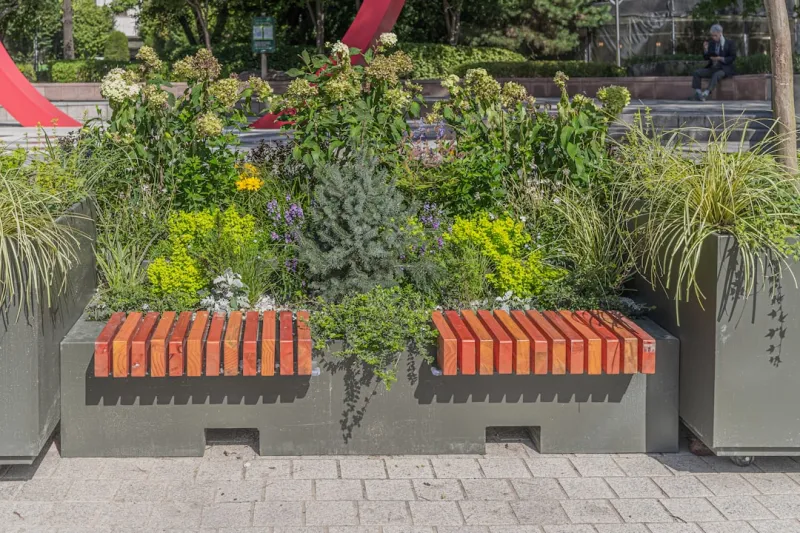
Introduction
Garden Using Upcycled Pallets And Repurposed Plastic Containers
has gained immense popularity in recent years, providing urban dwellers and gardening enthusiasts alike with a practical solution to limited space. If you live in a tiny apartment, don’t have a garden, or just wish to add some green to your life, creating a vertical garden using upcycled pallets and repurposed plastic containers is a fantastic option. Not only are you helping the environment by reducing waste, but you are also creating a lush and vibrant piece of living art right in your home or backyard.Why this ? The beauty of vertical gardens stems from their versatility; they can be tailored to suit any space, whether it’s a balcony, patio, or even an indoor wall. Using upcycled pallets and plastic containers ticks another box, making this Budgetly while ensuring minimal environmental impact. Pallets can provide a sturdy base to organize your plants, while plastic containers offer a perfect home for various herbs, flowers, or even vegetables.Benefits: Engaging in this
- DIY not only fills your space with beautiful greenery but also introduces numerous benefits: it enhances air quality, reduces stress, and, if you grow edibles, provides fresh duce right at your fingertips. Moreover, vertical gardens are visually striking and can become a form of Selfsion. This Beginner-friendly is an excellent way to learn about gardening while honing your creative skills.Skill
- Level: This can be accomplished by anyone, regardless of gardening experience. If you can use basic hand tools and have a passion for crafting, you’re on the right track. Step into this venture with enthusiasm and curiosity, and you’ll soon find that growing plants vertically is an incredibly rewarding experience!
Tools
- Needed
- Hand Saw or Recicating Saw: Essential for cutting the wooden pallet and plastic containers to the desired dimensions.Screwdriver or
- Drill: Used for securing various parts of the pallet and attaching hooks or support for the containers.Measuring
- Tape: Important for accurately measuring the dimensions of your pallet and containers, ensuring everything fits well.Sandpaper or a
- Power Sander: To smooth out the surfaces of the pallet, preventing splinters and ensuring a safer gardening setup.Staple
- Gun: Handy for securely attaching landscaping fabric or any mesh to the pallet to hold the soil in the containers.Paintbrush and Non-Toxic
- Stain or Sealant: For treating the wooden pallet to enhance its durability and to prevent rot over time.Gloves: A crucial safety item to protect your hands from splinters, soil, and chemicals while working.Watering
- Can or Hose: Essential for keeping your plants hydrated; you may need extended watering tools for tall installations.
Materials
- Wooden Pallet: 1 sturdy pallet (check for quality to ensure it’s suitable for outdoor use).Plastic
- Containers: 6–8 repurposed containers (ensure these are clean and suitable for planting).Potting
- Soil: 2–3 cubic feet (enough to fill your containers and provide rich nutrients for the plants).Landscaping
- Fabric: 1–2 yards (to prevent soil from washing out and to help with drainage).Screws: 1 small bag (for securing the pallet structure; stainless steel screws are advised for longevity).Non-Toxic
- Sealant or Paint: 1 quart (to treat the pallet and protect it against weather exposure).Plant
- Fertilizer: 1 bag (to nourish your plants throughout their growth).Plants or
- Seeds: 6–8 of your choice (herbs, succulents, or vegetables – choose based on your preference).Small
- Rocks or Gravel: 1 bag (for drainage at the bottom of each container, preventing root rot).Hanging
- Hardware: Depending on your installation method (hooks, brackets, or wire).Steps to Create Your Vertical GardenGather Your SuppliesBefore you start your , ensure you have all the necessary tools and
materials
Having everything at your fingertips not only streamlines the process but helps avoid unnecessary trips to the store. Take the time to inspect your pallet for any damage; it should be sturdy and free from rot or broken slats. Additionally, clean your plastic containers thoroughly if they are previously used and ensure they have drainage holes—this is crucial to prevent water damage to your plants.Prepare the PalletWith the hand saw or recicating saw, you can modify the wooden pallet to your desired height and width by cutting it down if necessary. If your pallet has nails or rough edges, remove or sand them down to create a smooth surface that is safe to handle. A good tip is to sand the areas where you will be planting to deter splinters. Afterward, ensure that the pallet is clean and dry before moving to the next step.Seal the PalletUsing a paintbrush, apply a coat of non-toxic sealant or wood stain to the entire surface of the pallet. This will enhance its durability against the elements and will hinder wood rot over time. Make sure to do this in a Wellated area or outdoors, as fumes from sealants can be harmful. Let it dry completely according to the instructions on the duct, usually taking a few hours to fully cure.Attach Landscaping FabricCut your landscaping fabric to size, laying it on the back and sides of the pallet. The purpose of landscape fabric is to ensure that soil remains in the containers while allowing water to drain. Use a staple gun to attach it securely, folding over the edges to provide extra reinforcement. Be generous with the staples but ensure they don’t puncture through to the front where your plants will grow.Prepare the Plastic ContainersStart by drilling several drainage holes at the bottom of each plastic container to facilitate optimal drainage. This is crucial for preventing root rot. If your containers come with lids, remove them to allow plants to breathe and grow. Depending on the look you aim to achieve, you may choose to paint your containers in colors that complement the design of your space before planting.Fill Containers with SoilBegin filling each plastic container with potting soil, leaving a small gap at the top of each container to prevent overflow when watering. For added drainage, sprinkle a layer of small rocks or gravel at the bottom of each container before adding the soil. This will prevent water from sitting stagnant and mote healthier root growth. Mixing in a small quantity of plant fertilizer can also give your plants a head start.Plant Your GreensChoose the plants or seeds you want to grow based on the conditions of the area where your vertical garden will be situated. Herbs like basil and cilantro thrive well in containers, while succulents add unique textures and colors. When placing plants in their containers, make sure to follow the planting instructions specific to each plant type regarding depth and spacing.
- A tip for placement: taller plants should be set at the bottom, while trailing plants can be placed at the top or sides for a cascading effect.Hang or Install the Vertical GardenNow that your pallet is prepared, it’s time to find a location to hang it. You can either mount it against a wall or fence, or leave it leaning against a structure if your space allows. Use hooks, brackets, or sturdy wire to secure it. If the pallet is heavy after adding soil and plants, consider installing additional support structures like brackets or additional wood to hold it firm. Always ensure everything is secured; a sudden fall could lead to damage.Water and MaintainAfter your vertical garden is installed, water it thoroughly to settle the soil and hydrate your plants. Use a watering can or hose to ensure even moisture—just be mindful of Overng as it can lead to root rot. Establish a routine to check the moisture level of your plants and provide fertilization as needed. Regular maintenance also involves checking for pests or diseases.Harvest and Enjoy!The final step is the most rewarding: enjoy the fruits of your labor! For edible plants, remember to harvest regularly to mote further growth. Not only does this provide delectable treats for your meals, but it also encourages a continual cycle of blossoming. For flowering plants, deadheading (removing spent flowers) can foster blooming and maintain a beautiful display.
2026 •