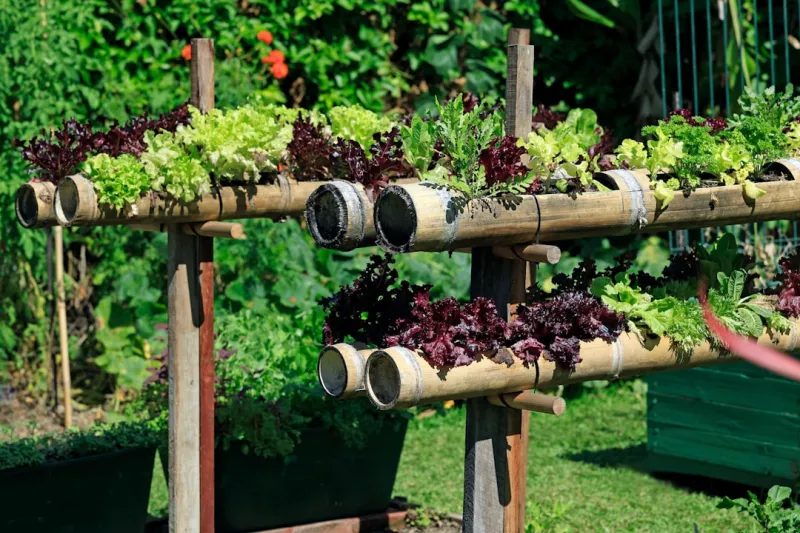
Introduction
Garden Using Repurposed Wine Bottles And Pallet Wood
Garden Using Repurposed Wine Bottles And Pallet Woodbody.navh1.rating.hero-img.share.btn Garden Using Repurposed Wine Bottles And Pallet Wood5 (58 Garden Using Repurposed Wine Bottles And Pallet Woodh2.content p Garden Using Repurposed Wine Bottles And Pallet Wood Garden Using Repurposed Wine Bottles And Pallet Wood Garden Using Repurposed Wine Bottles And Pallet Wood Garden Using Repurposed Wine Bottles And Pallet Woodh2a Garden Using Repurposed Wine Bottles And Pallet Wood Garden Using Repurposed Wine Bottles And Pallet Woodh2a Garden Using Repurposed Wine Bottles And Pallet Wood Garden Using Repurposed Wine Bottles And Pallet Woodh2a Garden Using Repurposed Wine Bottles And Pallet Wood Garden Using Repurposed Wine Bottles And Pallet Woodh2a Garden Using Repurposed Wine Bottles And Pallet Wood Garden Using Repurposed Wine Bottles And Pallet Woodh2a Garden Using Repurposed Wine Bottles And Pallet Wood Garden Using Repurposed Wine Bottles And Pallet Woodh2a Garden Using Repurposed Wine Bottles And Pallet Wood Garden Using Repurposed Wine Bottles And Pallet Woodbody.Nav.Nav ah1.rating-chip.hero-imgh2pulli.social-share.share-grid.btn#fb-root} Garden Using Repurposed Wine Bottles And Pallet Wood Garden Using Repurposed Wine Bottles And Pallet Woodimgh2.btn-box.btn Garden Using Repurposed Wine Bottles And Pallet Wood Garden Using Repurposed Wine Bottles And Pallet WoodCreating a vertical garden with repurposed wine bottles and pallet wood is not only a rewarding DIY , but it also serves the dual purpose of beautifying your outdoor or indoor space and promoting sustainability by reducing waste. Wine bottles are durable, non-toxic, and come in various colors that can enhance the aesthetic appeal of your garden. By using pallet wood, which is often discarded after shipping, you’re also contributing to environmental conservation.This is Beginner-friendly and requires no advanced skills or tools, making it approachable for anyone interested in gardening or DIY crafts. A vertical garden can be an excellent solution for those with limited space, offering a lush assortment of plants, herbs, or flowers that you can display in a creative way. You can personalize your garden by selecting your favorite plants or choosing colors for the bottles that match your style.In addition to its aesthetic benefits, growing your own plants can lead to cost savings on herbs and vegetables and motes healthier eating habits. Vertical gardens also increase air quality in your home, create a natural humidifier, and can even provide a habitat for local wildlife. With a little effort and creativity, you can transform ordinary wine bottles and reclaimed wood into an Eyeng statement piece that speaks to your Ecoous lifestyle.
Tools Needed
- Drill: Essential for making holes in the pallet wood for the wine bottles and securing screws.Screwdriver: Necessary for attaching the pallet wood together and securing other components.Hammer: Useful if you're using nails to add stability to your structure.Measuring
- Tape: Ensures that all your cuts and placements are precise, allowing the wine bottles to sit evenly.Utility
- Knife: Helps in opening and cutting pallet wood if needed or trimming your plants.Sandpaper: Important for smoothing rough edges of the wood to prevent splinters that could snag hands or clothing.Level: To ensure that your vertical garden remains straight when mounted.Safety
- Goggles: protect your eyes while drilling or sanding to prevent any accidents.
Materials
- Pallet Wood: 4 pieces (each approximately 3-4 feet long) – This will form the base structure of your vertical garden.Wine
- Bottles: 10-12 (any color) – These serve as the planting containers for your plants.Wood
- Screws: 30 pieces – Required for securing the pallet wood together.Wire
- Mesh: 1 piece (3 feet by 5 feet) – Makes a sturdy base for plants and prevents soil from falling out of the bottles.Potting
- Soil: 5-10 quarts – The growing medium for your plants.Plants or
- Seeds: 5-10 (herbs, flowers, or small crops) – Choose the plants that suit your space and preferences.Watering
- Can or Hose: For watering your plants after they are planted.Paint or
- Stain (optional): 1 quart – Enhances the aesthetic of your pallet wood and provides a Weatherproof finish.Plastic
- Plant Labels: 10 pieces – To identify different herbs or plants.Drill
- Bits: For both wood and glass – Needed to create the holes for the wine bottles.IntroCreating a vertical garden holds a special allure for both seasoned gardeners and those just beginning their planting journey. Implementing this not only imbues your space with colorful, lush foliage, but also reinforces an eco-friendly approach by repurposing
materials
that might otherwise end up in landfills. In a world that is increasingly embracing sustainability, DIY like this resonantly reflect our desire to minimize waste and maximize creativity.Vertical gardens are especially useful for those who have limited horizontal space—whether you live in an apartment, have a small backyard, or wish to beautify a wall or patio. Vertical gardens allow you to grow an assortment of plants without taking up much area, effectively turning empty walls into thriving habitats for greenery.
- This is where wine bottles and pallet wood enter the frame: they’re stylish, Costive, and can be transformed into functional planters.In terms of skill level, this is perfect for beginners. If you can wield a drill or screwdriver and follow instructions, you can create your own vertical garden. The steps ahead will guide you through cutting, assembling, and planting in a detailed manner, ensuring that you’re equipped with the knowledge to succeed. Let’s get started transforming your home garden!Creating Your Vertical Garden
Step 1:
Gather
- Your
Materials
What: Before sliding into the construction phase, gather all your
materials
in one spot. Having everything in place will help streamline the process.
How: Look for a clean workspace outdoors, such as a garage or a backyard.
- Ensure you have all your tools and
materials
ready: wine bottles, pallet wood, soil, plants, and safety gear.
Tips: Inspect your wine bottles for any cracks or defects; a solid, Evenly bottle will provide better structure for the plants. Clean the bottles thoroughly and remove any labels for a clean finish.
Safety: protect your hands by wearing gloves while cleaning the bottles and ensure the workspace is clear of hazards.
Step 2:
Prepare the
- Pallet Wood
What: The pallet wood will form the skeleton of your vertical garden.
How: Use a utility knife and measuring tape to cut the pallet wood to desired locations if it needs adjusting. Sand edges to a smooth finish to prevent splinters.
Tips: If you want the pallets to have a different look, consider painting or staining them before assembling. Make sure to use Weatherproof paint if your garden will be outdoors.
Safety: Always wear safety goggles while sanding to protect your eyes from dust. Gloves are advisable to protect your hands.
Step 3:
Design
- Your Structure
What: Decide how many tiers you want for your vertical garden.
How: Sketch a plan on paper to visualize how the bottles will fit into the pallet wood. Generally, two to three tiers are sufficient for a neat display. Leave enough space between tiers for growing plants.
Tips: Consider staggering the wine bottles so they don't block light from reaching the plants in the lower tiers.
Safety: Make sure your structure is stable and won't topple over once filled with soil and plants. A Welled structure is imperative to avoid injuries.
Step 4:
Drill
- Holes for Bottles
What: Create holes in the pallet wood for the wine bottles to fit snugly.
How: Use a drill to create holes that fit the necks of the wine bottles well. The size of the drill bit will depend on your bottles. Drill holes a few inches apart vertically.
Tips: Test fit a bottle after drilling to ensure it's comfortable and won't tip over. You can also use wood screws to secure the bottles in place.
Safety: Again, wear protective eyewear while drilling to protect against wood splinters and debris.
Step 5:
Attach
- Wire Mesh
What: Wire mesh will help hold soil in place, preventing it from spilling from the bottles.
How: Cut a piece of wire mesh to size and attach it at the back of your pallet wood structure using screws. Ensure it's tight and secure.
Tips: Choose wire mesh with small holes to effectively retain soil and allow for drainage.
Safety: Use gloves while working with wire mesh as the edges can be sharp. Be cautious when securing the mesh with screws.
Step 6:
Secure the
- Structure
What: Once the structure is complete, it needs to be stable.
How: Use screws or nails to attach various sections of the pallet wood together. Ensure that all sides are secured, and the structure can stand or be hung firmly against a wall.
Tips: A level will ensure your garden hangs straight or stands evenly when Freeng.
Safety: Check that all screws and nails are flush with the wood's surface to prevent injury when handling.
Step 7:
Prepare
- Wine Bottles
What: Clean your wine bottles to ensure they are ready for planting.
How: Remove labels and rinse them out thoroughly. If needed, soak them in warm soapy water to loosen adhesives.
Tips: Cut a small drainage hole in the bottom of each bottle to avoid waterlogging. This will mote healthy root growth.
Safety: When cutting bottles, be careful of sharp edges. Use gloves or protective gear to avoid cuts.
Step 8:
Fill with
- Soil and Plant
What: It's time to add potting soil and your chosen plants or seeds.
How: Fill each wine bottle about 2/3 full of potting soil, then plant your selected plant or scatter seeds as appropriate.
Tips: Choose plants that thrive in vertical environments, such as herbs (basil, mint) or trailing flowers (petunias, ivy) to cascade down beautifully.
Safety: While planting, remain mindful of sharp tools and edges. If you’re planting seeds, read the planting depth instructions.
Step 9:
Mount or
- Place Your Vertical Garden
What: Now you need to position your garden for growth.
How: If hanging, find a sturdy wall or fence; if standing, ensure it's placed on level ground. You may need a partner to help hold things steady while you secure it in place.
Tips: Opt for a location that gets the right amount of sunlight according to your plants' needs. Most flowers and herbs typically thrive in sunny spots.
Safety: Use a ladder safely if needed. Always follow ladder safety guidelines to avoid falls.
Step 10:
Water and
- Maintain
What: Your vertical garden needs care.
How: Water your plants as needed, depending on their specific requirements. Maintain the bottles and structure regularly to prevent any deterioration.
Tips: Use a watering can with a nozzle to reach the plants easily. Set a schedule for watering, especially if you opt for Moistureent plants.
Safety: Be cautious with watering to prevent Overtion; avoid slippery surfaces that can lead to falls.
2026 •