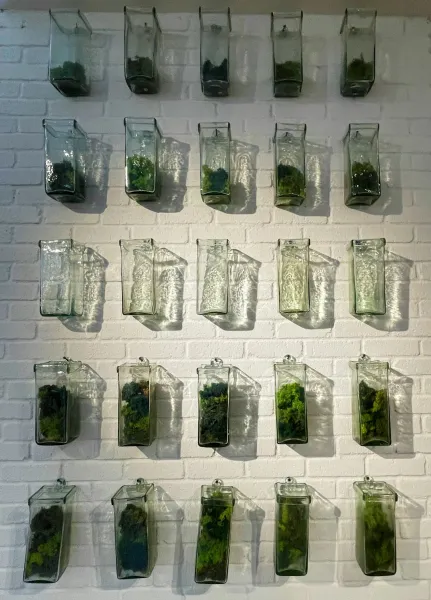
Introduction
Garden Using Repurposed Plastic Bottles And Indoor Herbs
Garden Using Repurposed Plastic Bottles And Indoor Herbsbody.navh1.rating.hero-img.share.btn Garden Using Repurposed Plastic Bottles And Indoor Herbs Garden Using Repurposed Plastic Bottles And Indoor Herbsh2.content p Garden Using Repurposed Plastic Bottles And Indoor Herbs Garden Using Repurposed Plastic Bottles And Indoor Herbs Garden Using Repurposed Plastic Bottles And Indoor Herbs Garden Using Repurposed Plastic Bottles And Indoor Herbsh2a Garden Using Repurposed Plastic Bottles And Indoor Herbs Garden Using Repurposed Plastic Bottles And Indoor Herbsh2a Garden Using Repurposed Plastic Bottles And Indoor Herbs Garden Using Repurposed Plastic Bottles And Indoor Herbsh2a Garden Using Repurposed Plastic Bottles And Indoor Herbs Garden Using Repurposed Plastic Bottles And Indoor Herbsh2a Garden Using Repurposed Plastic Bottles And Indoor Herbs Garden Using Repurposed Plastic Bottles And Indoor Herbsh2a Garden Using Repurposed Plastic Bottles And Indoor Herbs Garden Using Repurposed Plastic Bottles And Indoor Herbsh2a Garden Using Repurposed Plastic Bottles And Indoor Herbs Garden Using Repurposed Plastic Bottles And Indoor Herbsbody.Nav.Nav ah1.rating-chip.hero-imgh2pulli.social-share.share-grid.btn#fb-root} Garden Using Repurposed Plastic Bottles And Indoor Herbs Garden Using Repurposed Plastic Bottles And Indoor Herbsimgh2.btn-box.btn Garden Using Repurposed Plastic Bottles And Indoor Herbs Garden Using Repurposed Plastic Bottles And Indoor HerbsCreating a vertical garden with repurposed plastic bottles is not only an environmentally friendly initiative but also an exciting and rewarding hobby for anyone looking to improve their indoor space. As urban living spaces shrink and people become increasingly Ecoous, vertical gardens have gained popularity for their ability to add greenery and beauty without taking up much room. This is particularly beneficial as it allows you to nurture your indoor herbs effectively while also transforming waste
materials
into functional art.Why Should You Garden?Space-Saving: Vertical gardens maximize your available space, allowing even the most compact apartments or homes to enjoy the beauty and benefits of a garden.Eco-Friendly: Repurposing plastic bottles keeps waste out of landfills and helps reduce your carbon footprint while fostering a greener lifestyle.Homegrown
- Herbs: Growing your own herbs can enhance your cooking, providing fresh ingredients that are easily accessible right in your kitchen or on your balcony.improved
- Air Quality: Plants naturally filter and purify the air, contributing to a healthier indoor environment while boosting your mood and creativity.Aesthetic
- Appeal: A vertical garden serves as an attractive centerpiece, brightening up drab wall spaces and providing a vivid splash of color.Skill
- Level: This is manageable for beginners and doesn’t require advanced gardening skills or tools. All you need is some creativity and a willingness to work with your hands. If you’re interested in sustainability and love the idea of creating something unique with your own two hands, this is perfect for you.
Tools Needed
- Utility Knife: For cutting plastic bottles. A sharp shape allows for cleaner cuts.Drill with
- Bits: To make holes for drainage and for hanging the bottles. It ensures the plants won’t drown in excess water.
- Ruler or Measuring Tape: For precise measurements that ensure your plants fit well. Accurate measurements contribute to better results, particularly in spacing and alignment.
- Garden Trowel: Helps in transplanting herbs into the bottles with minimal fuss. It’s an essential tool for manipulating soil and applying subtle pressure.
- Watering Can: To keep your plants hydrated. Consider a can with a narrow spout for targeting specific areas without flooding.
- Scissors: For trimming plants or cutting twine for securing bottles. Sometimes you need the finer precision that scissors can provide. Marker/Pen: For marking cut lines. Clear markings help avoid errors and make the smoother and quicker.
- Safety Gloves: protects your hands during cutting and working with soil. A layer of protection helps prevent scrapes or exposure to soilborne pathogens.
Materials
- Plastic Bottles: 8-10 bottles, preferably 2-liter bottles or larger, depending on plant needs.Potting
- Mix: 2 to 3 bags (8 quarts each) of mix suitable for indoor herbs. Ensure good drainage and aeration for healthy root growth.
- Sand or Gravel: 2 cups for drainage layers at the bottom of each bottle
- Twine or Strong String: 20-30 feet to hang and secure the bottles. A durable option is crucial for holding the weight of the plants and soil.
- Herb Seeds or Seedlings: Choose 5-8 varieties such as basil, parsley, mint, and thyme. These herbs thrive indoors and are popular in cooking. Water-Resistant
- Paint (optional): 1 small spray can for added aesthetics and protection from UV if placed in sunny areas.
- Plastic Funnel: 1 for easier soil filling. It ensures no mess is made during the filling process.
- Nails or Hooks: 10-15 small nails or hooks to hang the completed vertical garden securely.
Step 1:
Collect
Materials
Collect all necessary
materials
and tools before beginning this . Rinse out the plastic bottles thoroughly to remove any residues or contaminants. This will not only help maintain a clean environment for your plants but also prevent any unpleasant smells over time.
Step 2:
Prepare the BottlesUsing a utility knife, carefully cut the plastic bottles in half, approximately 2-3 inches from the bottom. Ensure safety while cutting by providing a sturdy surface and wearing gloves. Retain the bottom part, which will serve as the plant container, and discard or recycle the top.
Step 3:
Create Drainage HolesDrill or puncture several holes in the bottom of each bottle for drainage. per drainage is vital to prevent root rot and create an environment conducive to healthy plant growth.
Tip: Use a small towel under the bottle while drilling to catch plastic shavings.
Step 4:
Layer the BottlesAdd a layer of sand or gravel into the bottom of the bottle before adding potting mix. This helps with drainage and provides a support layer for your plants. Use ½-1 inch of sand or gravel depending on bottle size.
Step 5:
Fill with Potting MixUsing a plastic funnel, fill the bottle with potting mix, leaving about an inch of space at the top. Lightly compress the soil to eliminate air pockets but be careful not to compact it too much, which can hinder root growth.
Step 6:
Plant Your HerbsNow it’s time to plant. If you’re using seeds, follow the package instructions regarding depth and spacing. If you’re using seedlings, make small holes in the potting mix and gently place the seedlings in. Add soil around the base to ensure stability.
Step 7:
Secure the BottlesUse twine or string to hang the plastic bottles. You can create simple loops around the neck of each bottle and knot them securely. This will ensure that your bottles stay in place as they get watered and as the plants grow.
Tip: Consider a staggered arrangement for a visually appealing display.
Step 8:
Water and CareUsing your watering can, give each plant a good watering, ensuring the soil absorbs enough moisture. Monitor your vertical garden regularly, watering when the top inch of the soil feels dry. Ensure adequate light and rotate bottles if certain plants are getting more sunlight than others.
Step 9:
Maintain the GardenRegularly check on your herbs for signs of growth or distress. Trim any yellowing or dying leaves to mote healthy growth. Fertilize every few weeks using organic gardening solutions for best results. Track overall moisture levels because the vertical structure may lead to quicker evaporation than traditional gardening.
Step 10:
Harvest Your HerbsOnce your herbs start flourishing, they’ll be ready to harvest! Ensure to encourage continuous growth by only picking a few leaves from each plant at a time. This allows the plant to continue ducing fresh leaves, meaning you can enjoy your herb garden for a longer time.
2026 •