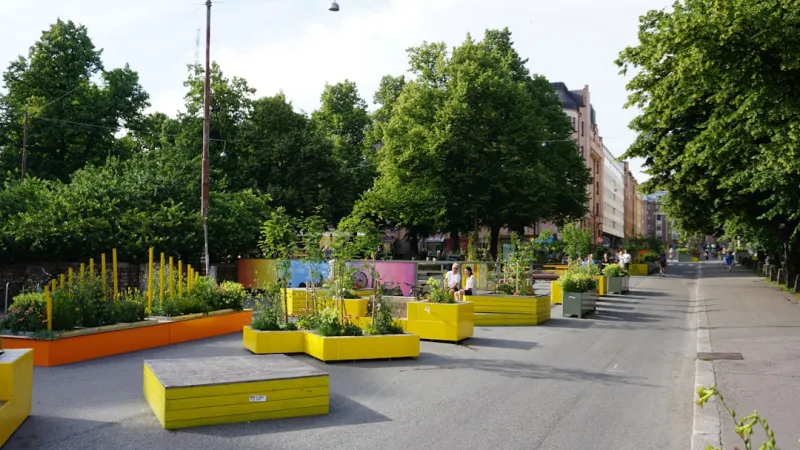
Introduction
Garden Using Repurposed Pallets For Small Urban Spaces
is both a creative outlet and a practical solution, allowing you to enjoy the vibrant aesthetic of plants without sacrificing precious floor space. It's suitable for anyone, regardless of experience level, as this primarily involves straightforward assembly and basic planting techniques.The benefits of a vertical garden are numerous: it motes healthier air quality, provides fresh duce at your fingertips, encourages sustainability by reusing
materials
, and enhances the aesthetics of your urban environment. Furthermore, working on gardening has been shown to reduce stress and increase wellbeing—an added bonus for city dwellers.So gather your tools and get ready to transform your urban space into a green haven with your very own vertical garden!
Tools
- Needed
- Screwdriver or Drill: Essential for assembling the pallet and securing components together.Saw (Hand or
- Power): Useful for cutting the pallets to fit your specific space and design.Measuring
- Tape: Ensures that your cuts are accurate and that your vertical garden fits perfectly in your designated area.Sandpaper: Smooths out rough edges on the repurposed pallet, preventing splinters and ensuring safety.Gloves: protects your hands from splinters and dirt while both handling tools and working with soil.Staple
- Gun: Used for attaching landscaping fabric securely to the pallet to hold the soil and plants.Paintbrush (for
- Sealant): If you choose to protect your pallet with sealant or wood treatment, a brush will help apply this evenly.Trowel: A handy tool for planting your greenery and moving soil efficiently into the pallet's compartments.
Materials
- Repurposed Pallet: 1 - Ensure it’s in good condition; check for mold, rot, or damage.Landscaping
- Fabric: 1-2 yards - This will line the pallet to keep the soil in place.Potting
- Soil: 2 bags (2 cubic feet proper bag) - This is essential for plant growth and nutrition.Plants or
- Seeds: Choose 6-12 small plants, herbs, or flowers - Depending on your preference and space.Wood
- Sealant or Paint: 1 quart - Used to protect the wood from the elements, especially if your garden will be outside.Nails or
- Screws: 1 pack - For securing the pallets and the landscaping fabric effectively.Plastic or
- Metal Hooks: 4-8 - To secure the pallet to the wall or structure, keeping it sturdy.Watering
- Can or Hose: 1 - To help with plant maintenance and ensure adequate watering.Mulch (Optional): 1 bag - Helps retain soil moisture and provides a finished look.Gardening
- Tools (small): Hand tools for maintenance - Pruning shears and a small rake for upkeep.
Step 1:
Choose
- Your Location
What: Finding the perfect spot for your vertical garden is crucial for its success.
How: Look for a South wall or a location that receives ample sunlight for at least 4-6 hours a day. Check for proximity to a water source, especially if you don't want to haul water from far away. Consider the visibility; a minent location enhances your space's aesthetic and encourages you to engage with your garden regularly.
Tips: Make sure the area allows adequate space for growth. Some plants can grow taller than expected, so ensure there's enough room for them.
Safety: Ensure the area is stable and that there are no overhead power lines or hazards that could cause issues before you start.
Step 2:
Prepare the
- Pallet
What: Cleaning and assessing the pallet.
How: Inspect your repurposed pallet thoroughly. Remove any nails or staples that might be truding and sand down rough spots to prevent splinters.
Tips: Use a combination of sandpaper grades for a smooth finish, starting with a rougher grade and smoothing it out with a finer one. If desired, you can also paint or seal the wood to protect it from moisture.
Safety: Always wear gloves and a mask while sanding to protect yourself from dust and splinters.
Step 3:
- Your Pallet
What: Preparing the pallet for planting.
How: Lay landscaping fabric on the back and sides of the pallet, allowing it to extend beyond the edges so you can tuck it in. Secure the fabric using a staple gun, making sure it’s tight enough to hold soil yet loose enough to accommodate plant roots.
Tips: Double up on the fabric if you're using lightweight soil or you want extra durability.
Safety: Be cautious while handling the staple gun to avoid any finger injuries.
Step 4:
Attach to
- Wall
What: Securing the pallet.
How: Identify wall studs where you'll secure your pallet. Use hooks or screws to attach it firmly to the wall for support, ensuring it's level. If you put several hooks, check that they are distributed evenly along the edges.
Tips: Use a level tool to ensure that the pallet isn’t sagging or tilted.
Safety: If using a drill, make sure to wear safety goggles to protect your eyes from debris.
Step 5:
Fill with
- Soil
What: Preparing the planting medium inside your pallet.
How: Carefully pour potting soil into the lined sections of the pallet. Fill each compartment completely, ensuring it’s packed but not too dense, allowing for good drainage. Leave a bit of extra soil at the top for plants and mulch later.
Tips: Mix in some compost for added nutrients, especially if you’re planting herbs or vegetables.
Safety: Use gloves to keep your hands clean, especially if you're sensitive or have allergies to soil.
Step 6:
Select
- Your Plants
What: Choosing the right plants for your pallet garden.
How: Select plants based on sunlight needs, climate, and your personal preferences. Herbs such as basil, mint, and rosemary work beautifully in a vertical garden, as do trailing flowers like petunias or succulents for visual interest.
Tips: Consider the plant height; taller species should be placed at the top for aesthetics and smaller ones at the bottom.
Safety: If you’re handling seedlings or plants, ensure you are not allergic to any species you choose.
Step 7:
Plant
- Your Selection
What: Adding plants to your vertical garden.
How: Create small depressions in the soil with your fingers or a trowel, ensuring room for root growth. Gently place your plants into the depressions and pack the surrounding soil in gently.
Tips: Water the plants initially to help them settle into their new home while filling in any gaps with soil.
Safety: Avoid overpacking the soil around the roots—you want to provide adequate space for growth.
Step 8:
Watering and
- Maintenance
What: Establishing a care routine.
How: Water your vertical garden regularly, ensuring that excess moisture drains out. Monitor for signs of wilting or dry soil, and adjust as needed.
Tips: A drip irrigation system is highly beneficial in keeping your plants hydrated and healthy, especially if you're busy.
Safety: If using a ladder to reach higher plants, make sure it's stable and positioned securely.
2026 •