How to create a vertical garden using repurposed pallets and sustainable materials
Intro
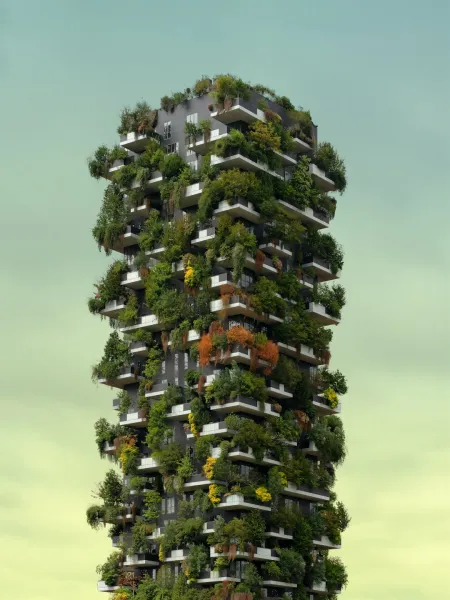
Vertical gardening is more than just a trendy way to boost your home's aesthetics; it is a sustainable and efficient method of gardening that allows you to cultivate plants in a limited space. If you live in a city, have a small yard, or even a balcony, vertical gardening can be an effective way to grow fresh herbs, vegetables, or decorative plants. This DIY project harnesses the power of repurposed pallets, which are commonly discarded and can be transformed into functional garden structures. Not only will you save money and reduce waste, but you will also take a step toward sustainable living.
The benefits of vertical gardening extend beyond just aesthetic appreciation. Vertical gardens enable better air circulation among plants, greater sunshine exposure, and improved drainage. They can help reduce the heat in urban environments and maximize limited space, giving you the opportunity to create your own food source right outside your door. This project is perfect for beginners, as it requires minimal skills but allows ample room for creativity.
In this comprehensive, step-by-step guide, we will show you how to create a vertical garden using repurposed pallets and other sustainable materials. By the end, you'll not only have crafted a beautiful vertical garden but also contributed to environmental conservation and sustainable practices. So roll up your sleeves, gather your materials, and let’s get started!
Tools Needed
- Hammer: Essential for driving nails and adjusting pallet slats.
- Nails or Screws: For securing boards and adding stability to your vertical garden structure.
- Saw (handsaw or jigsaw): Needed for cutting pallets and other wood pieces to your desired size.
- Pliers: Useful for pulling out nails and manipulating wire.
- Drill: For making holes for drainage and securing screws in place, ensuring a sturdier build.
- Staple Gun: Ideal for fastening fabric liners or plastic sheeting to the pallets.
- Measuring Tape: Necessary for precise measurements and ensuring that your garden fits well in your chosen space.
- Gloves: To protect your hands while handling materials and to ensure safety when working with tools.
Materials
- Repurposed Pallets: 1 to 2 depending on the desired size of your garden.
- Landscape Fabric: 1 roll (to line the back and sides of the palette for effective drainage).
- Soil: Approximately 2 to 3 cubic feet (ensure you choose a good potting mix suitable for vertical gardening).
- Mulch: 1 to 2 bags (to help retain moisture and suppress weeds).
- Plants/Seeds: Varies depending on preference (herbs, small vegetables, or flowers; approximately 4 to 12 plants).
- Wood Stain or Sealer: 1 can (to protect the wood from weather elements if your garden will be outdoors).
- Nails/Screws: 1 box (to assemble the garden structure securely).
- Staples: 1 box (for attaching landscape fabric securely).
- Watering Can or Hose: Depending on your watering preference (to keep your vertical garden hydrated).
- Fishing Wire or Heavy-Duty Twine: Optional (to help stabilize larger plants or vines, if needed).
### Step 1: Choosing the Right Pallet
To start your vertical garden, select the appropriate pallets. Look for ones that are free of stains, chemicals, or excessive wear. Heat-treated pallets (which feature a “HT” stamp) are generally safer for gardening. Measure the area where you will hang or lean your vertical garden to ensure that the pallet will fit well.Tips: If possible, avoid pallets with cracked or broken wood, as they might not withstand the weight of the soil and plants. Opt for lightweight pallets to make handling easier.
### Step 2: Preparing the Pallet
Once you've selected your pallets, it's time to prepare them for planting. First, clean the pallets thoroughly using a hose to remove dirt and debris. Then, use a sandpaper or sander to smooth rough spots or splintered wood.
Safety: Wear gloves and a mask to protect your lungs from dust. If you find any broken boards or pieces that seem unstable, remove them or use your hammer to secure them back in place.
### Step 3: Lining the Pallet
Next, you’ll want to line the pallet with landscape fabric. This fabric will allow water to drain while keeping the soil contained within the planter. Cut pieces of landscape fabric to the size of each panel on the pallet. Use your staple gun to attach the fabric to the back and sides of the pallet securely.
Tips: Make sure to leave the bottom open to allow for natural water drainage. If your pallet will be exposed to the elements, using a UV-resistant fabric is advisable.
### Step 4: Securing the Pallet
With your landscape fabric in place, your next task is to secure the pallet for stability. If you're leaning it against a wall, ensure it's firmly positioned and won't tip over. If you plan to hang it, use strong screws or nails and affix it to a stud or use wall anchors.
Safety: Be mindful of your working height and always have someone assist you when hanging heavy items. Overseeing the stability of the structure ensures that it can support the weight of the soil and plants.
### Step 5: Filling with Soil
Now it's time to fill your pallet with soil. Start by adding about 2-3 inches of soil to each panel of the pallet, ensuring it's a good potting mix that provides adequate drainage and nutrition for the plants.
Tips: Be careful not to overstuff the soil where it might spill out. Ensure it's packed tight, but leave a little room at the top for the plants.
### Step 6: Planting
Select your desired plants or seeds and begin planting them in the soil. Choose plants that are suited to your local climate and those that can thrive in a vertical alignment. Taller plants should be placed near the top of the pallet, while smaller plants can go at the bottom to maximize growth.
Tips: Herbs like basil, thyme, or small lettuces work well for vertical gardens. Mix a few flowers, such as trailing petunias, for added color and visual interest.
### Step 7: Maintaining the Structure
Once your plants are in place, it’s time to maintain your vertical garden. Water them adequately and check for weeds or dead leaves regularly. Mulching is key to maintaining soil moisture, which is especially important when using vertical systems.
Tips: Using a watering can with a narrow spout will ensure you’re not over-watering any particular plant section. You may consider setting reminders on your phone to have a consistent watering schedule.
### Step 8: Adding Stability (As Needed)
As your plants grow, they may require additional support. If you chose taller varieties or heavier plants, add fishing wire or heavy-duty twine to provide structural support.
Tips: Create trellises using the pallet itself or external supports to help climbing plants flourish. Ensure that any added materials don’t detract from the aesthetic.
### Step 9: Choosing a Location
Choose a suitable location for your vertical garden. Ideally, it should receive sufficient sunlight—at least 6 hours a day—while also providing protection from harsh wind conditions.
Tips: If your garden will be placed in a shaded area, opt for shade-tolerant plants. If it's leaning against a wall, ensure it’s easy to access for watering and harvesting.
### Step 10: Harvesting
After providing care and attention, it's time for the fun part: harvesting your plants. Enjoy fresh herbs for your meals or flowers to bring life to your home.
Tips: Regular harvesting encourages the continual growth of plants. Utilize pruning techniques for herbs and edible plants to ensure they remain productive.
Troubleshooting
Even the most prepared garden projects can run into issues. Here are five common problems you might face when creating a vertical garden using repurposed pallets, along with their solutions:
1. Pallet Not Draining Well: If water is pooling at the bottom, ensure that there are enough drainage holes in the pallet. Adding more holes or adjusting its tilt can help alleviate the issue.
2. Plants Not Thriving: If plants are wilting or showing poor growth, check for soil quality. Consider enhancing your potting mix with compost or fertilizers.
3. Invasive Weeds: Weeds may find their way into your garden due to the soil or nearby landscaping. Regularly inspect and remove any unwanted plants to ensure they don’t compete with your garden.
4. Pallet Falling Over: If the pallet structure is unstable, reinforce it by anchoring it firmly to the wall or adding additional wood pieces to provide sturdiness.
5. Pest Problems: For common garden pests, insecticidal soap or natural remedies like neem oil can be effective. Regular monitoring will help catch infestations early.
Conclusion
Creating a vertical garden using repurposed pallets and sustainable materials is not only environmentally friendly but also a rewarding and enjoyable project for any gardening enthusiast or beginner. This guide provides a clear pathway to build your own vertical garden, helping you save space and create a stunning visual display brimming with life.
Feel free to explore various variations of vertical garden styles, such as tiered designs or utilizing vertical crates. Remember, maintaining your vertical garden is crucial; keep an eye on water, sunlight, and growth needs to ensure a healthy and flourishing environment.
As you embark on this fulfilling journey, you’ll cultivate not just plants but also a deeper connection with nature and sustainable practices. Happy gardening!