Introduction
Garden Using Repurposed Pallets And Plastic Bottles
5 (90)
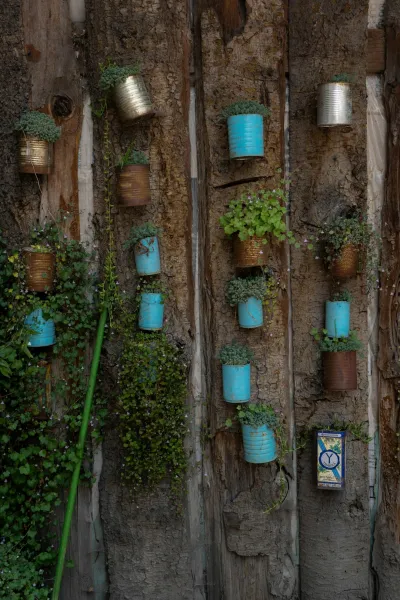
Garden Using Repurposed Pallets And Plastic Bottlesbody.navh1.rating.hero-img.share.btn Garden Using Repurposed Pallets And Plastic Bottles5 (47Creating a vertical garden using repurposed pallets and plastic bottles combines eco-friendly practices with aesthetic landscaping. The allure of vertical gardens lies not only in their Space capability but also in their adaptability to various settings, from urban backyards to apartment balconies. In a world where urbanization often limits access to green spaces, vertical gardens provide a unique solution. They allow individuals to break away from the monotony of concrete jungles, bringing a splash of color and life into everyday environments.The benefits of this DIY go beyond beautification. They help improve air quality, reduce noise pollution, and even contribute to food sustainability if you choose to grow herbs or vegetables. Moreover, using repurposed
materials
lends a sense of satisfaction; you’re not only creating beauty but also reducing waste. This is particularly suitable for beginners, as it requires minimal skills and tools while offering vast opportunities for customization. Whether you're a seasoned crafter or a novice gardener, this vertical garden is a that mises to be fulfilling.
STEP 1:
Gather Your
Materials
and ToolsBefore beginning any , organization is key. Gather all of your tools and
materials
in one location for easy access. Lay out your pallet and make sure it’s clean. Inspect it for any damages or truding nails that may need to be removed. Having a designated workspace not only makes the process smoother but also enhances your safety while working.
Tips: Organize your workspace so that all tools are easily reachable. Consider wearing safety goggles, particularly when cutting wood or drilling holes.
STEP 2:
Prepare the PalletStart by cutting the pallet to your desired size if necessary. This typically involves cutting the base down to avoid excess weight and ensure it fits your chosen location. Use your measuring tape to decide how tall and wide you want the garden to be. Also, sand down rough surfaces or edges on the pallet to prevent injuries.
Tips: If using reclaimed pallets, ensure there are no chemicals or treatments that may leach into the soil. Look for HT (Heat Treated) marked pallets for safety.
STEP 3:
Attach Landscaping FabricOnce the pallet is prepared, lay it flat and cut a piece of landscaping fabric that is slightly larger than the back. Using a staple gun, attach the fabric to the back of the pallet, ensuring that it is tightly secured. This fabric will act as a barrier that retains the soil while allowing water to drain out, which is essential to avoid root rot.
Tips: Make sure to pull the fabric taut, so there are no gaps through which soil can escape. This step is crucial for the longevity of your vertical garden.
STEP 4:
Prepare the Plastic BottlesRinse and dry your plastic bottles thoroughly to prevent any mold from developing. Cut the bottles in half, retaining the bottom portion, which will serve as the planting pot. Use the drill to make small drainage holes at the bottom of each bottle. This allows excess water to escape and prevents soggy soil.
Tips: If the bottles have labels, removing them completely will improve the aesthetic of your garden. You can also paint the outside with non-toxic paint for added decor.
STEP 5:
Secure Bottles to the PalletPosition the bottles on the front side of the pallet. Use screws or zip ties to secure them in place. Make sure to stagger the bottles to allow plants to grow without hindrance. It is ideal to have them at varying heights to give your vertical garden depth and interest.
Tips: If using screws, pre-drill holes to prevent cracking the plastic. Doing so can also make it easier to rearrange the bottles if needed.
STEP 6:
Fill the Bottles with SoilNow, fill each of the plastic bottles with potting soil, ensuring you leave a little space at the top for planting. Make sure to pack the soil lightly to create a stable environment for the roots.
Tips: While filling, consider adding a Slowe fertilizer to the soil for optimal plant growth.
STEP 7:
Plant Your Chosen FloraSelect plants suited for a vertical garden. Herbs like basil, mint, and cilantro work well, as do small flowers and edible plants like strawberries. Carefully place each plant in the prepared bottles, ensuring their roots are well covered by the soil.
Tips: Consider the sunlight needs of each plant. Place the bottles accordingly so that each plant gets adequate sun exposure while still fitting into the overall design.
STEP 8:
Hang the PalletAfter planting the garden, it’s time to hang your pallet. If you are hanging it on a wall, make sure you use a level and mark where the hooks or brackets will go. Securely mount the pallet so it is stable and will not fall.
Tips: If it’s quite heavy with soil and plants, consider using heavier-duty supports to ensure safety.
STEP 9:
Water and Care for Your Vertical GardenOnce hung, thoroughly water your new garden and ensure it drains appropriately. Keep an eye on the moisture levels. Overhead watering systems or a rainwater collection container can make caring for your vertical garden even easier.
Tips: Water early in the day or late afternoon to reduce evaporation and allow the plants time to drink.
STEP 10:
Maintain Your Vertical GardenRegular maintenance is key to success. Check for weeds, dead leaves, and signs of pests. Regularly trim plants to ensure they don’t overgrow and to maintain a tidy appearance. Adjust watering and feeding according to the season and plant needs.
Tips: Rotate your plants or add seasonal ones to keep the garden looking fresh throughout the year, providing dynamic visual interest.
2026 •