How to create a vertical garden using repurposed pallet wood and self-watering planters
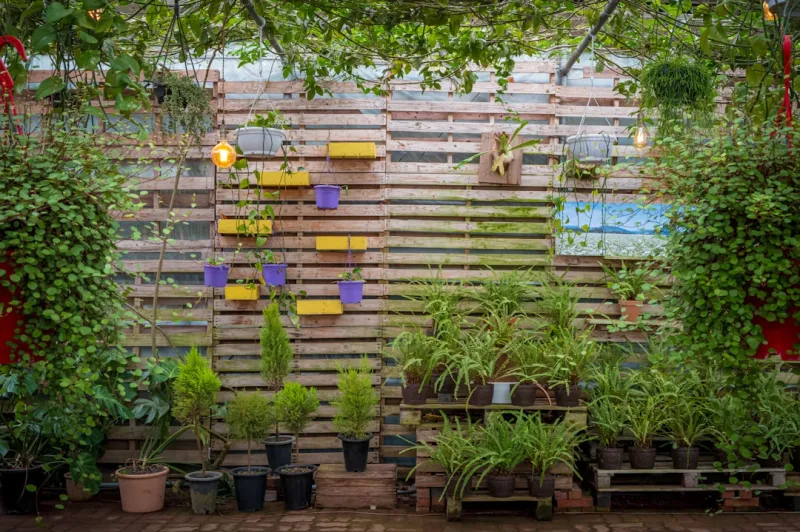
Creating a vertical garden is an excellent way to reclaim outdoor or indoor space while adding greenery and beauty to your environment. In this project, we will specifically use repurposed pallet wood combined with self-watering planters, making it sustainable and efficient. Vertical gardens are not only aesthetically pleasing; they also provide several benefits, including improved air quality, enhanced privacy, food production in small spaces, and they require lesser floor space compared to traditional gardens.
The use of repurposed pallet wood not only helps reduce waste but also adds a rustic charm to your garden. Many people are increasingly seeking ways to live more sustainably, and creating a vertical garden using recyclable materials aligns perfectly with this ethos. Plus, the self-watering planters will drastically reduce the hassle of daily watering, making gardening a low-maintenance task.
This project is perfect for beginners. While you will need basic woodworking skills and a few tools, the process is straightforward and rewarding. Get ready to take your gardening hobby to new heights—literally—by transforming old pallets into a lush vertical garden. Let’s dive into the materials, tools, and steps you’ll need to succeed!
Tools Needed
- Circular Saw: Essential for cutting the pallet wood into manageable pieces. A circular saw will make straight cuts efficiently and quickly.
- Drill/Driver: Needed for drilling holes in the wood and securing boards together. A drill/driver makes it easy to work with various fasteners and is a must-have for any DIY project.
- Screwdriver Set: Useful for tightening screws, especially in tight spaces that may not be accessible with a drill.
- Measuring Tape: Accurate measurements are crucial in DIY projects to ensure all pieces fit together properly.
- Sandpaper/Palm Sander: Used to smooth out the pallet wood after cutting to avoid splinters and enhance the appearance of your garden.
- Level: To ensure your vertical garden is straight. A level guarantees that your garden will look professional and function properly.
- Staple Gun: Helpful for attaching landscaping fabric to the back of the wood for moisture retention. This will help to keep the soil in while allowing excess water to drain.
- Gardening Gloves: Protect your hands from splinters, dirt, and any sharp edges while working with pallet wood and soil.
Materials
- Repurposed Pallet Wood: 2-4 standard pallets, ensuring they are clean, untreated, and free of chemicals.
- Self-Watering Planters: 4-6 units, depending on the number of plants and the size of your vertical garden.
- Landscaping Fabric: 1-2 yards, useful for retaining soil while allowing drainage.
- Potting Soil: 2-3 bags (about 2 cubic feet each), specifically formulated for potted plants.
- Plants: 12-20 small plants or herbs, suitable for vertical gardening (e.g., strawberries, herbs like basil or parsley, or trailing plants).
- Wood Screws: 1-2 boxes (various sizes) to secure the pieces of wood together.
- Wood Stain or Sealant: 1-2 cans for protecting the wood against moisture and weather, especially if kept outdoors.
- Brick or Paver Stones: 2-4 stones for stabilizing the base of your vertical garden if needed.
- Plastic Tubing: 1 length (for drainage), ensuring that excess water can flow freely from the self-watering units.
- Watering Can or Hose: For initial watering of plants after setup and for replenishing the self-watering system.
Introduction
Vertical gardens have surged in popularity among urban gardeners, as they allow you to embrace nature in small, often confined spaces. Beyond just an aesthetic enhancement, vertical gardens can serve as a practical solution for growing food at home, contributing to healthier eating habits, and reducing your carbon footprint. Using repurposed pallet wood not only gives your project character but also promotes sustainability, allowing you to minimize waste and give a second life to materials that would otherwise end up in a landfill.
This DIY guide is focused on beginner gardeners who may not have extensive experience but want to start growing plants at home without consuming too much space. The added element of self-watering planters takes the stress out of watering and negates the worry of over or under-watering your plants. With a bit of patience, attention to detail, and basic skills, you can transform a few wooden pallets and some simple materials into a thriving vertical garden. Let your creativity run wild as you style your garden according to your personal preferences and plant choices!
Step 1: Gather Your Materials and Tools
Before you dive into the construction phase, ensure that you have all your materials and tools on hand. This will save you time and make the process smoother. Start by collecting repurposed pallets that are safe to use. Check that the pallets are marked with "HT" for heat-treated to confirm they haven’t been chemically treated.
Step 2: Disassemble the Pallet
Begin by disassembling your pallets carefully. Using a pry bar, gently lift the slats away from their base to avoid breaking them. You can also use a saw to cut the nails if they’re proving stubborn. Make sure to wear gloves to protect your hands from sharp nails and splintered wood. A steady hand and patience are key to this step as it lays the foundation for your vertical garden.
Step 3: Trim and Sand the Wood
Once you have your pallet slats, it’s time to trim them to fit your desired vertical garden height. Use a circular saw for this, cutting them to uniform lengths. After cutting, take sandpaper or a palm sander to go over all edges and surfaces to remove rough spots and splinters. This will not only keep you safe while handling the wood but also give your garden a polished look.
Step 4: Assemble the Backing Frame
Using two of the longer pallet boards, create a vertical frame. Secure them together by screwing smaller, horizontal slats across at 1-2 foot intervals. This will hold the planters in place and provide stability. Make sure to use a level to keep everything straight, ensuring that when it’s completed, it will stand evenly on your wall or designated space.
Step 5: Attach Landscaping Fabric
Once your frame is assembled, lay out landscaping fabric on the backside of the frame, securing it with a staple gun. This will prevent soil from falling out while allowing moisture to escape. Make sure to leave the top open to allow drainage, which will help your self-watering system work effectively.
Step 6: Position the Self-Watering Planters
Next, position your self-watering planters along the frame. You can attach them using screws for added security. It's important to check that they are properly supported to hold the weight of the soil and plants. Consider using a combination of different sized planters for visual interest while ensuring that there is enough room for each plant to grow.
Step 7: Fill Planters with Soil
Carefully fill each planter with your choice of potting soil. Make sure to leave some space at the top of each planter to prevent soil from spilling over when watering. As you fill the planters, gather the plastic tubing and insert it into each one so that it reaches the bottom of the planter. This will help water reach all the plants evenly when they need hydration.
Step 8: Plant Your Selection
Now the fun part begins: choosing your plants! Consider the sunlight requirements for each, as well as their growth habits. Arrange them in a way that taller plants go on the bottom and trailing varieties on the top to allow for cascading beauty. Gently remove each plant from its container, loosen the roots, and place it firmly in the soil, packing it down lightly around the base.
Step 9: Water the System
After planting, fill the self-watering reservoir and perform an initial thorough watering to help the plants settle into their new environment. Monitor the moisture levels over the next few weeks, ensuring that the bottom reservoir stays filled but allowing for drainage through the bottom of the planters.
Step 10: Maintain Your Vertical Garden
Lastly, be prepared to maintain your vertical garden. Monitor the plants for growth and health, removing dead leaves promptly, and checking the water levels in the self-watering planters. Fertilize your plants every few weeks, following manufacturer instructions, to promote healthy growth.
Troubleshooting
Despite your best efforts, you might face some common challenges while setting up your vertical garden.
- Problem: Plants are wilting or turning yellow.
- Fix: This could indicate overwatering or underwatering. Check the moisture level in the soil; if too wet, remove plants and let them dry before replanting. If too dry, ensure your self-watering system is functioning effectively.
- Problem: Soil is spilling out from the planters.
- Fix: Ensure that the landscaping fabric is adequately secured. You might also need to add more to cover any gaps.
- Problem: Certain plants are growing slower than others.
- Fix: Consider whether all your plants have similar sunlight and watering needs. Move slower-growing plants to better environments if needed or adjust their watering schedule.
- Problem: Pests appearing on the plants.
- Fix: Inspect your plants regularly for signs of pests. Use natural pest control methods, like neem oil or insecticidal soap, to treat outbreaks.
- Problem: The pallet frame is unstable.
- Fix: Reassess your attachment methods. If necessary, add bracing, like extra slats, to give it more support, or secure it to a wall for stability.
Conclusion
Congratulations on creating your vertical garden from repurposed pallet wood and self-watering planters! You've transformed unused materials into a functional and beautiful garden space. There are endless possibilities for variations in plant selection, planter styles, and even the overall design of your vertical garden.
As you maintain your garden, keep an eye on your plants and adapt care as needed, whether that means shifting them for better sunlight exposure or changing up your watering schedule. Enjoy the fruits (and vegetables!) of your labor, and know that you’re contributing positively to the environment. Vertical gardens enrich your space, making it greener and more vibrant.