Introduction
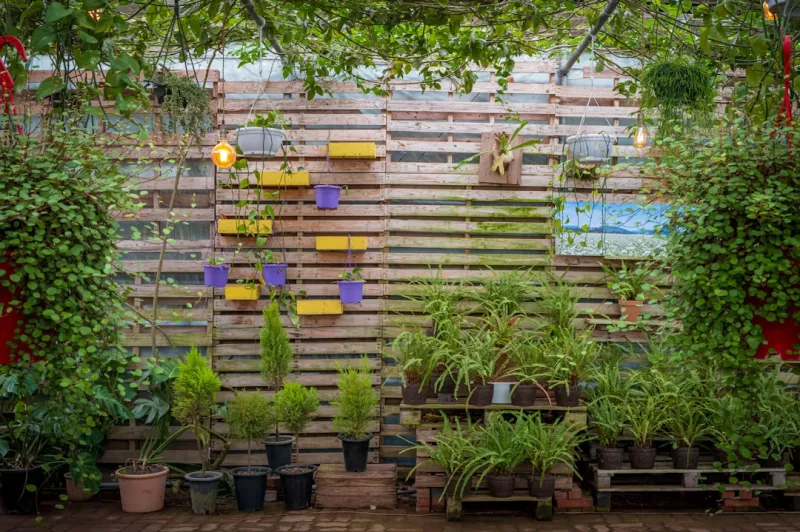
Garden Using Repurposed Pallet Wood And Recycled Plastic Planters
Garden Using Repurposed Pallet Wood And Recycled Plastic Plantersbody.navh1.rating.hero-img.share.btn Garden Using Repurposed Pallet Wood And Recycled Plastic PlantersCreating your vertical garden using repurposed pallet wood and recycled plastic planters is not only fun but also can turn an underused area of your home into a vibrant green oasis. This motes sustainability by repurposing
materials
readily available, making it an accessible venture for everyone from budding gardeners to seasoned enthusiasts.As you embark on this journey, you'll find that growing plants vertically can also yield a variety of benefits. First, vertical gardens are a practical solution to maximize limited space while enabling the growth of your favorite plants. Second, they can enhance your home’s aesthetic appeal, providing a beautiful backdrop and infusing natural grace into your indoor or outdoor setting. Third, they can have a positive impact on your well-being, as studies show that engaging with plants can reduce stress and boost mood.In the upcoming sections, you’ll discover every step you need, from gathering
materials
to maintaining your garden once it’s complete. Let’s get started!
Step 1:
Gather Your
Materials
Before diving into the construction, ensure you have all the necessary
materials
compiled in one place. You can source repurposed pallet wood from local businesses, construction sites, or even online marketplaces. Remember, you want wood that is sturdy and free from harmful chemicals or excessive rot.For the planters, look for recycled plastic options, which should be durable enough to withstand the elements. Make sure they have adequate drainage holes, or plan to create them as needed.
Tips: Inspect your pallets before taking them. Avoid any that appear to be damaged or have significant mold.Choose planters in various heights and widths if you want to create a more dynamic visual layout.
Step 2:
Preparation of Pallet WoodOnce you’ve secured your pallet wood, you need to prepare it for construction. Start by taking apart the pallets carefully using a pry bar or similar tool. Try to keep the boards intact to maintain their strength.Next, use sandpaper to smooth out any rough edges. This not only makes the wood safer to work with but enhances its overall look when you apply a finish.
Tips: When unscrewing the pallets, ensure you’re wearing gloves to protect your hands from splinters.Keep in mind any blue markings on the wood; they indicate types of treatment. Look for HT (Heatd) stamps to ensure safety.
Step 3:
Design Your Vertical Garden LayoutBefore assembling, take some time to sketch out a design for your vertical garden. Consider how many planters you want and the arrangement of the pallets. You can choose to have them in a single row or create a staggered effect for visual interest.Measure the total height and width of the space where you’ll install the garden and mark it on your layout. It’s beneficial to decide on the types of plants you want early on, as their growth height will also influence your design.
Tips: Keep in mind the sunlight exposure of the location. Choose plants that require similar light conditions for convenience.Consider leaving a little space between the planters for added air circulation and easier watering.
Step 4:
Cut the Pallet Wood to SizeThis step involves carefully cutting your pallet wood to the desired dimensions. Measure twice before making any cuts to ensure accuracy. You may want to create sections where each planter will sit.Using your saw, carefully cut the wood. This part of the requires focus to ensure clean cuts.
Tips: If you are new to using a saw, practice on a scrap piece of wood first.Remember to wear safety goggles and a dust mask when cutting to protect your eyes and lungs.
Step 5:
Assemble the Vertical Garden FrameWith your wood cut and prepared, it’s time to construct the frame. Start by laying out the pallets according to your design. Using your drill and wood screws, secure the pallets together. This will form a sturdy base for your vertical garden.If you’re stacking multiple pallets, ensure they are secured tightly to avoid any wobbling. You might also consider attaching horizontal bars for additional support based on your design.
Tips: Use the level tool to ensure that each pallet is straight as you secure them.It may help to have a second person assist you during assembly for stability.
Step 6:
Attach Planters and Line with Landscape FabricWith the frame complete, the next phase involves positioning your recycled plastic planters onto the pallets. Make sure there’s enough space in between each planter. Use your wood screws to secure the planters firmly to the frame.After the planters are secured, it’s time to line them with landscape fabric. Cut the fabric into appropriate sizes and staple them to the insides of each planter. This will help hold the soil while allowing excess water to drain through.
Tips: Position the planters lower down on the frame where they'll be easier to reach for planting and maintenance.Make sure there is enough fabric covering the bottom, which will help support the weight of the potting soil.
Step 7:
Fill Planters with Potting SoilNow that your planters are in place, it’s time to fill them with quality potting soil. Use soil that has good drainage perties, allowing your plants to thrive.If you’re unsure how much soil each planter will need, fill them gradually to avoid spillage. Make sure to leave some space at the top to accommodate watering without overflowing.
Tips: Adding compost to the potting soil can enrich the nutrients for improved plant growth.You might also want to mix in Slowe fertilizers to help your plants thrive.
Step 8:
Choose and Plant Your VegetationChoose your plants according to your vertical garden's light conditions and purpose. If you're an herb lover, basil, parsley, and thyme can fit nicely in your new garden, while colorful flowers like petunias and marigolds will add brightness.Carefully plant your chosen vegetation in the prepared soil. Be gentle—roots can be delicate when transferring them.
Tips: Research the specific growth requirements and spacing for your chosen plants.It’s great practice to water them lightly after planting to help them settle in.
Step 9:
Water and MaintainOnce everything is planted, give your vertical garden a thorough watering. Be cautious of overdoing it, as drainage is crucial to prevent root rot. Moving forward, maintain your vertical garden by regularly checking soil moisture and watering as needed.
Tips: Consider setting a watering schedule to help you stay consistent.Use a moisture meter for precise watering based on the needs of your plants.
2026 •