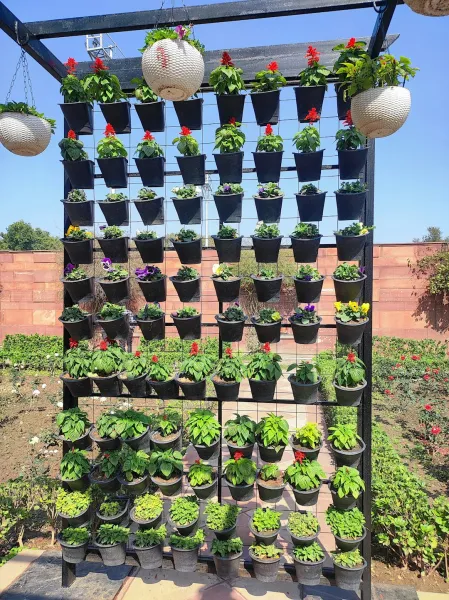
Introduction
Garden Using Upcycled Plastic Bottles And A Drip Irrigation System
5 (90)
can aid in imving air quality, helping to insulate your living space, and attracting beneficial insects. You will also appreciate the delight of growing your own herbs, vegetables, or flowers without the need for a large yard, as vertical gardens can fit snugly against walls, balconies, or patios.For beginners, the skill level for this is rated as intermediate. While it does involve some basic knowledge of gardening and construction, the steps are clear and manageable. With the right attitude and a bit of patience, you can turn what would have been thrown away into a thriving garden.
Tools Needed
- Utility Knife or Scissors: Essential for cutting the plastic bottles to the desired size. A utility knife is highly effective for a clean cut, while scissors work well for simpler cuts.Drill with
- Bits: Required to create drainage holes in the bottles. A drill will also be used to make holes for the irrigation system and hanging, if needed.
- Screwdriver (if applicable): You may need a screwdriver to secure screws that hold the irrigation system in place or fasten the bottles together.
- Measuring Tape: For accurate measurements of bottle placement and to ensure that your vertical garden fits in your designated space.
- Ruler or Straight Edge: Assists in making straight cuts when preparing the bottles and helps in aligning screws and holes for the irrigation system.
- Watering Can or Bucket: To initial water your plants until the drip irrigation system is fully set up. It's also helpful for filling the reservoir if necessary.
- Trowel or Hand Spade: Useful for filling the bottles with soil and planting seeds or seedlings.
- Gardening Gloves: Safety first! Wearing gloves will protect your hands from sharp bottle edges and dirt.
Materials
- Plastic bottles: 10-20 (or more, depending on the size of your garden; 2-liter bottles work best)Drip irrigation kit: 1 kit (most come with all necessary components, including tubing and emitters)
- Potting mix: 2-3 bags (look for a lightweight mix that drains well)
- Seeds or seedlings: Various types based on your preference (try herbs like basil or small vegetables like lettuce)
- Fishing line or rope: 1 spool (to hang the vertical garden securely)
- Nuts and bolts (optional): 10-20 for securing bottles together; essential for added stability if you wish to build a more robust structure.
- Wire mesh or screen: 1 piece (to keep soil from falling out of the drainage holes while allowing excess water to escape)
- Plastic containers for water reservoir: 1-2 (you can use larger bottles or food container pieces, depending on your garden scale)
- Plant labels: as many as needed (to identify various plants)
- Paint (optional): 1 can (for aesthetics - you might want to give the bottles a coat of paint to blend them with your outdoor decor).Step-by-Step Instructions
Step 1:
Collect and
- Prepare Bottles
What: Gather all your plastic bottles and prepare them for planting.
How: Start by rinsing all your plastic bottles thoroughly to remove any residue. Remove the labels to make them look neater. Use a utility knife or scissors to cut the bottles in half horizontally. Save the top half with the nozzle for watering; this will serve as your planter. You can choose how many bottles you want to cut depending on the space available for your vertical garden.
Tips: Consider different sizes of bottles for variety in your garden. Ensure there are no rough edges left after cutting; use sandpaper if necessary to smoothen sharp parts.
Safety: Always be cautious while handling a utility knife or scissors. Cut away from your body, and consider using a cutting mat beneath to protect your surfaces.
Step 2:
Drill
- Drainage and Watering Holes
What: Create holes for drainage and a central watering system.
How: Using a drill, carefully poke several holes in the bottom of the bottom half of each bottle for drainage. These holes will prevent water from pooling in the bottom and allow excess to escape. Additionally, drill a hole nearer to the top of each bottle; this will serve as the feeder for the drip irrigation system.
Tips: Make sure your holes are appropriately sized for effective drainage, usually about 1/4 inches in diameter.
Safety: Always wear safety goggles while drilling to protect your eyes from flying debris.
Step 3:
Assemble
- Your Vertical Structure
What: Arrange how you'll place the bottles for your vertical garden.
How: Choose a wall or fence against which you'll install the vertical garden. Starting from the bottom, secure the first bottle with rope or fishing line. You may also use wire mesh or a wooden frame for added support. Use nuts and bolts to fasten bottles together if desired. Continue stacking upward with the rest of the bottles, making sure to leave enough space between bottles for sunlight and airflow.
Tips: You can position bottles at different angles for visual appeal and varying light access. Before installing anything, double-check spacing and alignment.
Safety: If you're using tools to secure your structure, ensure stability before adding weight. Be mindful of any sharp edges on the bottles.
Step 4:
Prepare the
- Drip Irrigation System
What: Set up your drip irrigation system for easy watering.
How: Follow the instructions on your drip irrigation kit. Usually, you will connect a reservoir (a larger plastic container or bottle) to the tubing that reaches down to each of your bottle planters. Ensure that each bottle has an emitter installed to evenly distribute water. Drill a hole into the reservoir, ensuring it’s snug for the tubing.
Tips: Position the reservoir at the highest point or a location above the bottles to utilize gravity for the irrigation system. Do a test run to make sure the water flows precisely to each bottle.
Safety: Ensure the reservoir is secure and won’t tip or fall, which could cause water damage or electrical issues if you're near outlets.
Step 5:
- Bottles with Potting Mix
What: Prepare the planting medium for your seeds or seedlings.
How: Using your trowel or hand spade, begin filling each of your cut plastic bottles with potting mix. Leave a small amount of space at the top to avoid soil spillage when watering. You want the mix to be damp but not soggy, promoting healthy root growth.
Tips: Gently press the potting mix to avoid air pockets; this will assist in providing even moisture distribution. You can also mix in some Slowe fertilizer for enhanced growth.
Safety: Be cautious of potentially sharp edges when you're filling or planting inside the bottles.
Step 6:
Plant
- Your Seeds or Seedlings
What: Begin the planting process.
How: Plant your seeds or seedlings into the prepared bottles following the instructions provided for spacing and depth. Generally, a few seeds can be sown in each bottle; if using seedlings, plant one or two proper bottle depending on the variety. Water lightly to help the soil settle.
Tips: Label each bottle with the name of the plant for easy identification later on. Choose plants thoughtfully; herbs typically grow very well in vertical gardens.
Safety: Ensure you’re not Overng, which can lead to overcrowding and poor growth.
Step 7:
Connect the
- Drip System and Fill the Reservoir
What: Finalize your irrigation system setup.
How: Once your bottles are planted, connect the tubing to your water reservoir and secure it. Check each emitter again to ensure they are unobstructed and efficient. Fill the reservoir with water, and allow the system to run for a trial period. Observe if water evenly drips into each planter.
Tips: Adjust the emitters if certain bottles are receiving too much water compared to others. It may take some adjusting to get it just right.
Safety: Check for any leaks in the drip system after filling the reservoir. Secure any loose parts to prevent unintended spills.
Step 8:
Maintenance and
- Care
What: Understand how to maintain your vertical garden.
How: Regularly check the moisture levels in the bottles. Depending on the plant types, they may require more or less water. Adjust the drip irrigation output if necessary. Ensure your plants are getting enough sunlight and that you manage pests or disease if they arise. You may need to prune or harvest as they grow.
Tips: Keep a schedule for regular checks — perhaps once a week — and note any changes in plant health or moisture levels. It’s also a great time to refresh the potting soil as plants grow.
Safety: If using natural pesticides or remedies, always follow safety instructions on the labels and wear gloves if necessary.
2026 •