How to create a vertical garden using repurposed old pallets and plastic bottles
Introduction
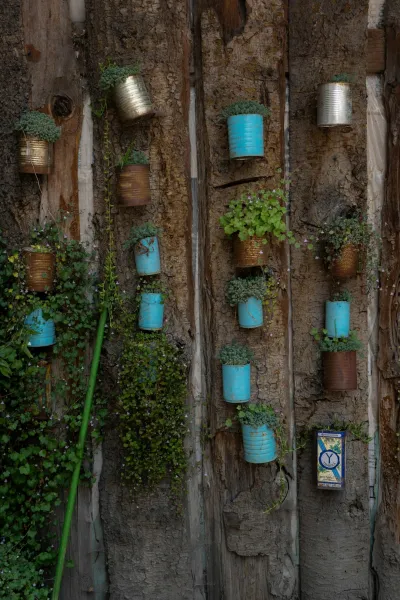
Creating a vertical garden is not only a creative project that beautifies your space but also an excellent way to maximize limited outdoor areas, especially if you're dealing with a small yard, patio, or balcony. In this DIY guide, we will walk you through how to build your own vertical garden using repurposed old pallets and plastic bottles. This innovative approach not only repurposes materials that may be headed for landfills but also contributes positively to the environment by promoting sustainability.
Why undertake this project? The benefits are manifold: vertical gardens help improve air quality, can lower energy costs by providing insulation, and allow for the cultivation of fresh produce right at home. They can even act as a natural noise barrier, softening the hard lines of urban living. Best of all, this project is beginner-friendly, requiring minimal woodworking skills and no special tools. If you can handle a drill and some screws, you're good to go!
Skill Level: Beginner—This project does not demand advanced woodworking skills and can be completed with basic home improvement knowledge.
Now, let’s jump into the details!
Tools Needed
1. Drill: A crucial tool for making holes in both pallets and plastic bottles. It helps you secure your structure and makes the planting process easier. 2. Screwdriver: Necessary for tightening screws and ensuring your structure is stable. An electric screwdriver can speed up this process. 3. Utility Knife: Used to cut the plastic bottles to size, this tool provides versatility to adjust the depth of each planting pocket. 4. Wooden Saw: For trimming the old pallet to the desired size. A handsaw is sufficient for this task. 5. Sandpaper: Used to smooth out rough edges on the pallet to prevent splinters, ensuring a safer handling experience. 6. Measuring Tape: Essential for accurate measurements when cutting down the pallet and arranging the plastic bottles. 7. Gloves: Protect your hands while handling wood, tools, and any sharp edges, promoting safety throughout the project. 8. Garden Soil: A high-quality organic soil mix is important for plant growth, providing the nutrients needed for a thriving garden.
Materials
1. Old Pallet: 1-2 (depending on size), ensure they are in good condition, free from mold or chemicals. 2. Plastic Bottles: 10-15 (sizes can vary, but larger bottles work best for deeper planting). 3. Wood Screws: 20-30 screws to secure the bottles and any additional structures. 4. Landscape Fabric: 1 yard, to line the back of the pallet to hold the soil in place. 5. Planting Soil: 1 bag, high-quality potting soil for optimal plant health. 6. Plants/Seeds: Choose variety based on your climatic zone, typically culinary herbs or flowers work well. Approximately 6-10 small plants or seed packets. 7. Waterproof Sealant/Paint: Optional, for weatherproofing the pallet if you are using it outdoors. 8. Hanging Hardware: 1 set, for securing the vertical garden against a wall or frame. 9. Labels (optional): To identify different plants, particularly if you're growing different herbs.
Steps to Create Your Vertical Garden
# ### Step 1: Choosing Your Location
What: Selecting the right spot for your vertical garden is crucial. You'll need a location that receives adequate sunlight while also being sheltered from harsh weather.
How: Observe your outdoor space throughout the day to identify areas with at least 6-8 hours of sunlight. Look for spots that have access to water for easy irrigation, and if you're using herbs, consider how they'll be used in your cooking habits.
Tips: If you're placing your garden against a wall, ensure that the wall supports the weight of the entire pallet structure when filled with soil.
Safety: Make sure the area is free from low hanging branches or other potential hazards.
# ### Step 2: Preparing the Pallet
What: The pallet will serve as the backbone of your vertical garden. You'll need to prepare it for planting.
How: Start by cleaning the pallet thoroughly. Use sandpaper to smooth out any rough edges. If desired, you can also apply a waterproof sealant or paint to prolong its lifespan.
Tips: Avoid pallets with poisonous wood treatments. The best options are heat-treated pallets. You can often find them for free or for a minimal cost at local retailers.
Safety: Wear gloves while sanding to protect your hands from splinters and dust.
# ### Step 3: Cutting the Plastic Bottles
What: Your plastic bottles become the planting pots that will hold your soil and plants.
How: Use a utility knife to cut the bottles in half or create holes depending on how you prefer to hang them. Ensure there are drainage holes in the bottom to avoid waterlogging.
Tips: Make the top half of the bottle wider if you want to create a larger planting space. Rinsing the bottles out will eliminate any residues and odors.
Safety: Be cautious while handling the utility knife; keep your fingers clear and cut away from your body.
# ### Step 4: Attaching Landscape Fabric
What: Landscape fabric helps retain soil while allowing water to drain properly.
How: Cut a piece of landscape fabric to fit the back of the pallet. Secure it with staples or by using a staple gun to attach it to the wooden frame.
Tips: Ensure that the fabric extends slightly over the top and bottom of the pallet for better soil retention. This also helps to keep the plants in place.
Safety: Use caution when working with the staple gun to avoid any accidents, and keep fingers clear of the jaw.
# ### Step 5: Securing the Bottles
What: Now it's time to get the plastic bottles onto the pallet.
How: Position the plastic bottles on the pallet according to your design. Use wood screws to secure them in place. Plan for enough space in between to allow for plant growth.
Tips: You can paint the bottles in vibrant colors for a whimsical look or leave them clear to showcase the plants inside.
Safety: Make sure to screw tightly to avoid any bottles loosening and falling when plants grow and become heavier.
# ### Step 6: Filling with Soil
What: Your next step is to fill the bottles and the gaps on the pallet with soil.
How: Carefully pour soil into each bottle, leaving about an inch or two at the top. Firmly pack it down as you want to maximize the space. Make sure to fill the pallet gaps with additional soil for extra plant roots.
Tips: Opt for soil specifically designed for container gardening. You want a mix that drains well but retains moisture.
Safety: Handle soils carefully to avoid dirt in your eyes or respiratory issues. Wearing a mask when handling large quantities is a good idea.
# ### Step 7: Planting Your Seeds/Plants
What: Now comes the most exciting part: planting your chosen plants!
How: Plant herbs or flowers in each bottle, ensuring to properly space them for growth. If you're using seeds, follow the planting depth indicated on the package.
Tips: Choose plants based on sunlight exposure; some may thrive in a full sun, while others prefer partial shade. Companion planting is a good strategy if you're using herbs.
Safety: Handle plants gently to avoid damage. Water the soil lightly before planting to make it easier to work with.
# ### Step 8: Watering and Monitoring Growth
What: After planting, water your new garden and begin monitoring its growth.
How: Use a watering can or hose gently to give your plants the hydration they need. Establish a routine—typically once a week or as needed based on weather conditions.
Tips: Install a drip irrigation system for low-maintenance watering. You can also use a spray bottle for lighter, more controlled watering, especially if you planted seeds.
Safety: Be cautious with watering so as not to create muddy ground where you may slip.
# ### Step 9: Maintenance and Fertilizing
What: Regular maintenance is key to a thriving vertical garden.
How: Monitor your plants for pests and disease regularly. Weeding is essential, as they can compete for nutrients. Fertilize particularly during the growing season, using organic fertilizers suitable for the plants you've chosen.
Tips: Keep equipment organized for efficient maintenance checks. Rotate your crops if you're using the garden for edible purposes, as this can preserve soil health.
Safety: Always wash hands after handling plant materials or fertilizers, particularly if you plan to handle food afterward.
# ### Step 10: Enjoying Your Vertical Garden
What: Now that your vertical garden is in place, enjoy the beauty and food it brings into your life!
How: Make time to relax near your garden, enjoy the flowers blooming, or use fresh herbs in your cooking.
Tips: Consider expanding your vertical garden over time! Introduce new plants, try different growing methods, or create more levels with additional pallets.
Safety: Avoid overextending yourself. Regular check-ins on growth will help keep your garden manageable.
Troubleshooting
Even the best-laid plans can have their hiccups. Here are five common issues you may encounter, with solutions to get your vertical garden thriving again.
1. Waterlogged Bottles: Over-watering can lead to root rot. Fix: Ensure adequate drainage holes in bottles. Adjust your watering routine, allowing soil to dry slightly between watering sessions.
2. Wilting Plants: This can happen due to under-watering or overheating. Fix: Ensure consistent watering—use a moisture meter for accurate readings. If it’s hot, consider moving the pallet to a partially shaded area.
3. Pests: Insects can invade your plants quickly! Fix: Monitor your plants closely and introduce organic pesticide or companion planting to deter pests naturally.
4. Unstable Pallet: If the structure feels wobbly, it may not be fastened correctly. Fix: Review the screws and connections. Add additional screws for stability or affix the pallet better to the wall.
5. Insufficient Sunlight: If plants aren’t flourishing, they may not be getting enough light. Fix: Observe where the sunlight reaches during the day and potentially move the structure or choose plants that require less light.
Conclusion
Creating your own vertical garden using repurposed pallets and plastic bottles is not only fulfilling but also highly beneficial for both personal enjoyment and environmental sustainability. By following the outlined steps, anyone from a novice to a more experienced gardener can create an impressive living space, beautifying their surroundings while also encouraging plant growth in a practical and eco-friendly way.
Furthermore, you can explore variations by using different materials like old tires, crates, or even hanging pots. Maintenance of your vertical garden will lead to thriving plants and potentially a more extensive collection of indoor and outdoor greenery.
Dive into this gardening project not just as a hobby, but as a joyful, sustainable way to enhance your home and lifestyle!