Introduction
Garden Planter From Upcycled Pallets For Small Spaces
5 (99)
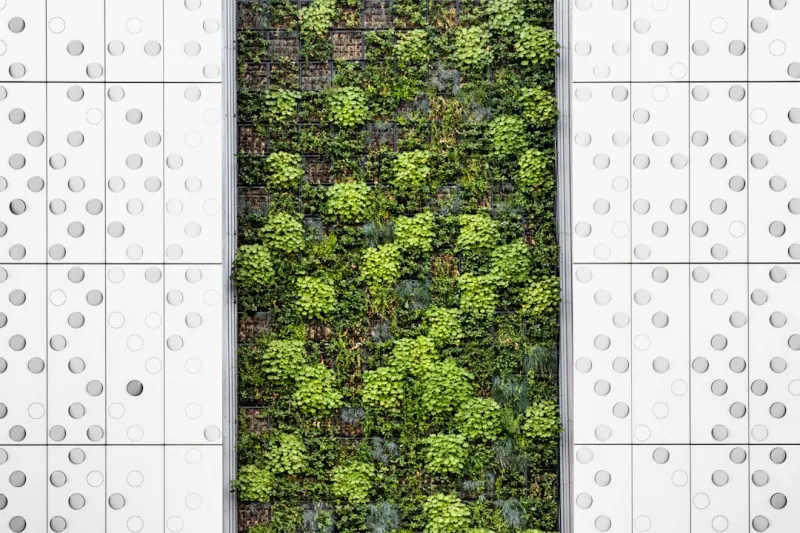
has surged in popularity, particularly among urban dwellers seeking ways to cultivate green spaces in limited areas. One fantastic way to embrace this trend, while also being eco-friendly, is to garden planter from upcycled pallets. This DIY not only allows you to beautify your living area but also addresses the challenge of space constraints. As we dive into this guide, you’ll discover that creating a vertical garden planter is not just about aesthetics; it's an opportunity to contribute to sustainable practices by repurposing
materials
that might otherwise end up in a landfill.The benefits of this extend beyond simply growing plants. A vertical garden can improve air quality, reduce urban heat, and even provide fresh herbs or vegetables for your kitchen. You’ll be fostering a habitat for pollinators and enriching your surrounding environment. Plus, this is perfectly suited for beginners! With a handful of tools and
materials
, along with a bit of creativity, you'll find that making your own planter can be a satisfying endeavor. This guide will break down the process into Easy To steps, ensuring you feel confident every step of the way while crafting your vertical garden masterpiece.
Step 1:
Source Your PalletsStart by sourcing your wooden pallets. Check local businesses, warehouses, or even online platforms like Craigslist or Facebook Marketplace. When selecting pallets, ensure they are in good condition—look for those that are sturdy and free of mold or chemical treatment markings. Ideally, you want Heatd pallets (HT), which are safer for planting as they haven’t been treated with harmful chemicals. Inspect them thoroughly and don’t be afraid to ask about their history.
Tip: If you can’t find suitable pallets for free, consider visiting your local hardware store; they often have pallets available for purchase.
Step 2:
Prepare the PalletsOnce you’ve acquired your pallets, it’s time to prepare them for use. Begin by giving them a good clean with water and a scrub brush to remove dirt and potential pests. Next, inspect for any truding nails or splinters; use the pliers or hammer to remove any loose items. Finally, sand down rough edges and surfaces to protect your hands during assembly.
Safety: Always wear safety goggles and gloves during the cleaning and sanding process to protect against injury.
Step 3:
Design Your Vertical PlanterConsider how you want your vertical garden to look before cutting and assembling. This is your chance to get creative! If you want multiple tiers, design the size and shape of the sections. A simple approach is to use two pallets stacked vertically, while larger designs might involve cutting and assembling multiple pallets into a ladder shape.
Tip: Sketch it out on paper before cutting. This can help visualize what your vertical garden will look like in the final arrangement.
Step 4:
Cut the PalletsUsing your saw, cut the pallets to your designed dimensions. If you're creating tiers, ensure each cut is consistent for harmony in your planter. Aim for sections deep enough (about 6 to 8 inches) for soil but shallow enough to create a manageable weight for your structure.Note: For a sturdy build, try to maintain the integrity of the outer frame of the pallets as much as possible during cutting.
Step 5:
Assemble the PalletsNow that your sections are cut, it's time to assemble them into a vertical format. Depending on your design, start stacking the cut sections and use wood screws to secure them at the joint. You can also attach hinges if you want a foldable design, allowing you easier access to the plants.
Tip: Use a level to ensure each tier is even as you screw the sections together. This careful step can prevent a wonky look at the end.
Step 6:
Line with Landscaping FabricOnce your structure is complete, it’s time to line the interior with landscaping fabric. This allows for proper drainage while holding the soil in place. Cut the fabric to size and use a staple gun to attach it inside each tier, ensuring the fabric covers the entire bottom and sides without any gaps.
Tip: When attaching the fabric, pull it tight to avoid sagging, which may lead to soil loss over time.
Step 7:
Seal and WeatherproofTo long the life of your vertical garden planter, apply an outdoor wood sealant or paint. This step protects the wood from the elements, especially if your vertical planter will reside in an open area. Follow the manufacturer’s instructions for application, typically involving at least two coats.Warning: Make sure to allow proper drying time before filling the planter with soil and plants.
Step 8:
Fill with Soil and PlantsNow the fun begins! Fill each tier with potting soil, leaving about an inch of space at the top. Choose plants that thrive in vertical conditions—herbs like basil, thyme, or ornamental plants such as trailing vines work great. Consider the light requirements of the plants and arrange them accordingly, with larger plants at the bottom for proper sunlight exposure.
Tip: Water the plants thoroughly after inserting them into the soil to help eliminate air pockets.
Step 9:
Secure the PlanterBefore getting too excited about your new garden, make sure your vertical planter is secure. If you're situating it against a wall, use brackets or straps to attach it to the wall for additional stability. If it’s freestanding, position it against a sturdy backdrop or stabilize it with cinder blocks or heavy bricks at the base.
Tip: Make sure it’s level; you can always readjust the placement or the base for better support.
Step 10:
Establish a Maintenance RoutineEstablish a regular watering and maintenance routine. Vertical gardens may require more frequent watering than traditional gardens due to gravity and exposure. Plan to check moisture levels weekly and adjust based on the current weather.
Tip: Use a moisture meter to accurately gauge the soil water content, ensuring your plants are getting just the right amount.
2026 •