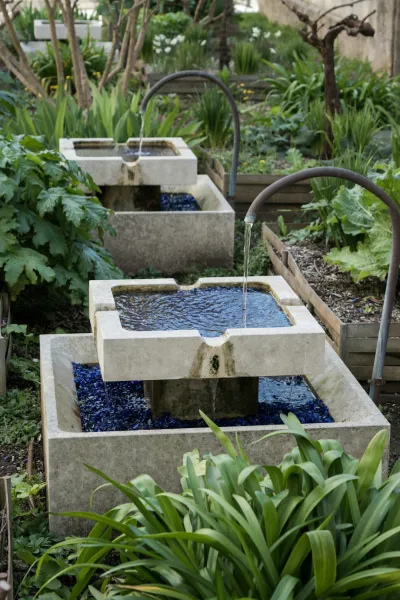
Introduction
Garden Irrigation System Using Repurposed Rain Gutters
endeavor is an irrigation system using repurposed rain gutters. This DIY not only saves the environment by recycling
materials
but also provides a unique aesthetic and enhances the growth of your plants by delivering water efficiently. Why This ?Vertical gardens have gained immense popularity due to their ability to fit into small urban or suburban spaces, allowing for a lush, green environment even when ground space is limited. Using rain gutters as planters provides a Costive way to create a series of planting beds on a vertical surface like a wall, fence, or patio. The benefits of this are numerous, including promoting plant health through proper drainage, reducing water wastage, offering an organized gardening method, and even enabling easy maintenance without the need to bend over.
- Skill Level: This is Beginner-friendly and doesn’t require any extensive gardening or plumbing skills. With a few tools and supplies, patience, and creativity, you'll be able to construct an efficient watering system that brings life to your vertical garden.
Tools Needed
- Hacksaw or Power Saw: Used for cutting the rain gutters down to size, ensuring they fit your selected vertical space perfectly.Drill: Essential for making drainage holes and attaching the gutters to a wall or frame securely.Measuring
- Tape: Helps in measuring the length and height of your vertical garden and ensuring that the gutters are cut accurately to size.Level: Ensures that your gutter system is even, preventing stagnation of water in any areas that may lead to root rot.Screwdriver: Necessary for securing the brackets or hooks used to hold the gutters in place.Safety
- Goggles: protects your eyes when using power tools or cutting
materials
- Gloves: Keeps your hands safe and clean while handling
materials
and tools.Garden
- Trowel: Useful in filling the gutters with soil or potting mix for your plants.
Materials
- NeededRain Gutters: 4 pieces (cut to desired lengths based on your vertical garden dimensions)End
- Caps: 4 pieces (to seal the ends of the gutters, preventing soil and water from spilling out)Brackets or
- Hooks: 12 pieces (to mount the gutters securely to the wall)PVC Tubing: 1 roll (used to create a water delivery system that connects to your hose or watering can)Drip
- Irrigation Kit: 1 (for automatic watering, can be found at garden centers)Potting
- Soil: 2 cubic feet (to fill the gutters for planting)Container
- Plants: Selection of herbs or small vegetables – about 5–10, depending on your space.Landscape
- Fabric or Mesh: 1 roll (to line the gutters, allowing for water drainage while holding soil in place)Watering
- Timer: 1 (optional, helps automate the watering schedule)Wood or
- Steel Frame (optional): To create a structure that supports the vertical garden if needed.
Step 1:
Choose a Suitable LocationFind the perfect spot for your vertical garden. This could be a sunny wall, a fence, or even the balcony of an apartment. Ensure it receives adequate sunlight for the plants you're planning to grow. Check for any overhanging branches or nearby structures that may cause shade later in the day.
Tip: Observe the sunlight patterns throughout the day to ascertain the best location.
Safety: Ensure that the ground is stable and that the mounting area is secure.
Step 2:
Gather Your
Materials
Collect all the
materials
you’ll need for the . It's essential to have everything ready before you start to ensure a streamlined and organized approach to the build. This will save you time and interruptions as you work through the steps.
Tip: Check your local building or gardening supply store for the best quality
materials
, and ask for specific advice if you're unsure about any element.
Step 3:
Prepare the Rain Gutters Using the hacksaw, cut your rain gutters to size according to your desired vertical length. Start by measuring the lengths you want, keeping in mind how many tiers of plants you’re planning to have.
Tip: Cut all pieces at once for efficiency. Sand down any sharp edges to avoid injuries while handling the gutters.
Step 4:
Drill Drainage Holes Once your gutters are ready, use the drill to create drainage holes in each gutter. This step is essential as it prevents standing water, which can cause root rot. Make holes every few inches along the bottom of the gutters.
Tip: Consider the types of plants that will go into the gutters; some may require more drainage than others.
Safety: Always wear safety goggles to protect your eyes from debris.
Step 5:
Secure the Landscape Fabric Line the interior of each gutter with landscape fabric or mesh. This will help keep the soil from washing out through the drainage holes while allowing water to escape.
Tip: Cut fabric pieces to fit comfortably inside, and use a staple gun to secure them in place if necessary.
Step 6:
Install the Gutters Using brackets or hooks, mount the gutters in your chosen location. Ensure they are level, so water flows correctly through the system rather than pooling in spots.
Tip: Use a level tool throughout this process to double-check alignment.
Safety: Ensure all hardware is securely tightened to prevent the system from falling.
Step 7:
Set Up the Watering System Install the PVC tubing and connect it to the drip irrigation system. Position it at the topmost gutter, allowing the water to drip down through the other tiers as needed.
Tip: If using a hose, choose a flexible material that can be fitted as proper your garden structure.Optional: Installing a watering timer can automate the watering process, making it easier and more efficient.
Step 8:
Fill the Gutters with Soil Carefully fill each gutter with potting soil, ensuring it's packed evenly but not overly compressed. This is where you will plant your herbs or vegetables.
Tip: Leave some space at the top for watering and potential soil compaction over time. The soil should be damp but not soggy before planting.
Step 9:
Plant Your Choices Once the gutters are filled, it’s time to plant! Choose plants that do well in vertical settings, such as herbs like basil, mint, or small vegetable variants.
Tip: Be mindful of each plant’s water and sunlight needs to optimize growth.
Step 10:
Water and Maintain After planting, water each tier gently to allow the soil to settle. Monitor the moisture levels as plants establish roots and grow; adjust the irrigation as needed.
Tip: Regular maintenance involves checking for clogged drip lines, drainage issues, and any signs of pests.
2026 •