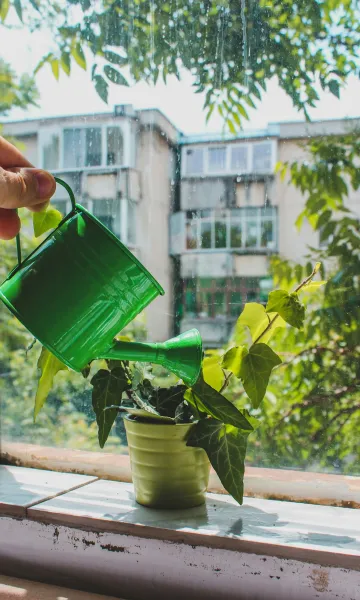
Introduction
Create A Self Watering Indoor Herb Garden Using Repurposed Plastic Containers
Create A Self Watering Indoor Herb Garden Using Repurposed Plastic Containersbody.navh1.rating.hero-img.share.btnCreate A Self Watering Indoor Herb Garden Using Repurposed Plastic ContainersCreate A Self Watering Indoor Herb Garden Using Repurposed Plastic Containersh2.content pCreate A Self Watering Indoor Herb Garden Using Repurposed Plastic ContainersCreate A Self Watering Indoor Herb Garden Using Repurposed Plastic ContainersCreate A Self Watering Indoor Herb Garden Using Repurposed Plastic ContainersCreate A Self Watering Indoor Herb Garden Using Repurposed Plastic Containersh2aCreate A Self Watering Indoor Herb Garden Using Repurposed Plastic ContainersCreate A Self Watering Indoor Herb Garden Using Repurposed Plastic Containersh2aCreate A Self Watering Indoor Herb Garden Using Repurposed Plastic ContainersCreate A Self Watering Indoor Herb Garden Using Repurposed Plastic Containersh2aCreate A Self Watering Indoor Herb Garden Using Repurposed Plastic ContainersCreate A Self Watering Indoor Herb Garden Using Repurposed Plastic Containersh2aCreate A Self Watering Indoor Herb Garden Using Repurposed Plastic ContainersCreate A Self Watering Indoor Herb Garden Using Repurposed Plastic Containersh2aCreate A Self Watering Indoor Herb Garden Using Repurposed Plastic ContainersCreate A Self Watering Indoor Herb Garden Using Repurposed Plastic Containersh2aCreate A Self Watering Indoor Herb Garden Using Repurposed Plastic ContainersCreate A Self Watering Indoor Herb Garden Using Repurposed Plastic Containersbody.Nav.Nav ah1.rating-chip.hero-imgh2pulli.social-share.share-grid.btn#fb-root}Create A Self Watering Indoor Herb Garden Using Repurposed Plastic ContainersCreate A Self Watering Indoor Herb Garden Using Repurposed Plastic Containersimgh2.btn-box.btnCreate A Self Watering Indoor Herb Garden Using Repurposed Plastic ContainersCreate A Self Watering Indoor Herb Garden Using Repurposed Plastic ContainersCreating a Selfng indoor herb garden is not only a rewarding and sustainable but also a practical way to enhance your culinary endeavors. Imagine having a constant supply of fresh basil, parsley, mint, and other herbs at your fingertips, all thriving with minimal maintenance. This is perfect for those who may not have a lot of gardening experience or space but want to indulge in the joys of growing their food. Why this ? Indoor herb gardening is increasingly gaining popularity for multiple reasons. First, it allows you to grow fresh herbs without needing a backyard or substantial gardening experience. Herbs can be easily grown in small spaces, such as windowsills, balconies, or kitchen countertops, making them ideal for urban living. Additionally, herbs can elevate your culinary creations, adding flavor and freshness that dried herbs simply cannot match.
- Benefits include: Freshness: Harvest whenever you need, ensuring maximum flavor.Final ResultCost-Effective: Save money on purchasing fresh herbs from the grocery store.
- Sustainability: Repurposing plastic containers reduces waste and is environmentally friendly.
- Aesthetic Appeal: A small herb garden brings life and greenery into your home.
- Skill Level: This is Beginner-friendly, requiring minimal skills and tools. With a step-by-step guide, even novices can successfully create their own Selfng system, learning valuable gardening skills without being overwhelmed. Now, let’s gather the tools and
materials
you’ll need for this exciting DIY !
Tools
- Needed
- Utility Knife Why: To cut the plastic containers and create drainage holes.Drill with a
- Small Bit Why: An alternative to a utility knife for making drainage holes, providing a cleaner cut and allowing for better ventilation.Measuring
- Tape or Ruler Why: To measure the dimensions of your containers and ensure accurate cuts.Marker/Pen
- Why: For marking measurement points on your containers before cutting.Scissors
- Why: Useful for trimming any additional
materials
, such as wicks or filter cloths.Potting
- Soil Why: Essential for your herb garden; quality soil ensures your plants get the right nutrients.Wicking Material (Polyester Rope or Old T-Shirt)
- Why: To transport water from the reservoir to the soil, while keeping the roots hydrated.Container for
- Water Reservoir Why: provides a space where water can be stored and drawn up by the wicking material.
Materials
Plastic Containers (2)
- Quantity: 2 (These will be the outer and inner pots for the Selfng system.)Wicking
- Material Quantity: 1 piece (Typically about 1 to 2 feet long.)Potting
- Soil Quantity: 1 bag (Usually around 5 quarts, depending on the size of containers.)Herb
- Seeds or Seedlings Quantity: 4-6 packets (Choose your favorite herbs like basil, mint, rosemary, and cilantro.)Plastic
- Bottle or Cup Quantity: 1 (Can be used for the water reservoir if not using a dedicated container.)Small
- Rocks or Gravel Quantity: About 2-3 cups (Needed for drainage at the bottom of the inner pot.)Filter
- Cloth or Coffee Filter Quantity: 1-2 pieces (For covering the holes to prevent soil from falling through.)Water
- Quantity: Enough to fill up your reservoir (This will depend on the capacity of your containers.)Fertilizer (Optional)
- Quantity: 1 small bag (To provide additional nutrients as your herbs grow.)Labels (Optional)
- Quantity: A set (To label each pot with the herb variety.)Step-by-Step
- InstructionsGather Your Containers
What: Look for suitable plastic containers to use. You’ll want both a larger outer container and a smaller inner container.
How: Aim for containers that are at least 6-10 inches deep. Ideally, the inner pot should fit comfortably inside the outer pot with space for your wicking mechanism.
Tips: Check for food-grade plastic containers to avoid chemicals leaching into your soil. Containers like yogurt cups, 2-liter soda bottles, or larger food containers work well and can typically be found in your recycling bin.
Safety: Ensure that any containers you choose are clean and free from harmful residues. Rinse them well before starting your .Prepare the
- Inner Pot
What: The inner pot is where your soil and seeds will go.
How: Using your utility knife or drill, make several small holes in the bottom of this container to allow for drainage. These holes will let water travel upwards through the wicking material.
Tips: Create holes about ¼ inch in diameter. Space them evenly throughout the bottom to ensure good drainage.
Safety: Be cautious when using a utility knife; cut away from yourself and wear safety gloves if necessary.Create the
- Wicking Mechanism
What: The wicking mechanism transports water from the reservoir to the plant roots.
How: Cut a length of your wicking material—about 12 to 24 inches long. Thread one end through a hole in the bottom of the inner pot, allowing it to dangle into the outer pot once assembled. The other end will sit in the water reservoir.
Tips: Use a cotton rope or a piece of an old T-shirt as alternatives, ensuring they are absorbent.
Safety: Take care when handling sharp tools or
materials
while cutting wicks and avoid using anything synthetic that may not absorb water well.Set
- Up the Water Reservoir
What: The outer pot will serve as your water reservoir.
How: Fill the outer container with water, ensuring there’s enough space for the inner pot to sit above it without sinking directly into the liquid.
Tips: You can use a layer of small rocks or gravel at the bottom of the outer pot if using a container with a flat bottom; it aids in drainage and prevents the inner pot from sitting directly in water.
Safety: If layering rocks, make sure they are evenly distributed to prevent tipping or instability once the inner pot is placed.Add
- Filter Cloth or Coffee Filter
What: This will prevent the soil from escaping through the drainage holes.
How: Cut a piece of filter cloth larger than the inner pot’s base. Place it on the bottom of the pot, covering the holes you created.
Tips: If you don’t have filter cloth, coffee filters will work just as well.
Safety: Ensure that no parts of the filter obstruct the drainage; you want a balance between drainage and soil containment.Fill with
- Potting Soil
What: It’s time to add some life to your garden!
How: Fill the inner pot with potting soil, leaving about an inch of space at the top to avoid soil spillage when watering.
Tips: Press the soil gently but firmly to remove air pockets and stabilize the potting mix.
Safety: Avoid overfilling; soil can spill during watering and create a mess, leading to slips or falls.Plant
- Your Seeds or Seedlings
What: Now that the soil is ready, it’s time to plant.
How: Follow the instructions on your seed packets for planting depth and spacing. If using seedlings, gently remove them from their original containers and place them in the new pot.
Tips: For herbs, you can often plant several seeds or seedlings in one pot. Follow spacing guidelines to ensure each plant has room to grow.
Safety: Be gentle with the roots of seedlings. Avoid overcrowding plants, as they may compete for nutrients and sunlight.Final
- Assembly
What: It’s time to put both parts together!
How: Place the inner pot into the outer pot, ensuring the wicking material is securely in place, with the end submerged in the water reservoir. Ensure that no part of the inner pot is touching the water directly; it should rely on the wick.
Tips: Adjust the wicking material as needed, ensuring it can draw water efficiently without blockage.
Safety: Be cautious when lifting and positioning both containers to avoid spills.Water and
- Add Fertilizer
What: Establish your plants' foundations.
How: Filling up the outer reservoir with water and add a balanced fertilizer diluted according to package instructions into the water for strong initial growth.
Tips: Monitor the water level and refill when necessary. Always check for excess fertilizer buildup in your soil.
Safety: Handle fertilizer with care and follow instructions to avoid any health risks or environmental damage.Care and
- Maintenance
What: Your Selfng herb garden is set! Now for regular care.
How: Place it in a sunny spot, ideally where it can receive about 6-8 hours of light proper day. Monitor growth and adjust water levels as needed.
Tips: Rotate your plants every few weeks to ensure even growth. Watch for pests, and remove any dead and dying leaves.
Safety: Keep gardening tools stored safely away, especially if you have small children or pets. Always wash your hands after handling dirt and plants.
2026 •