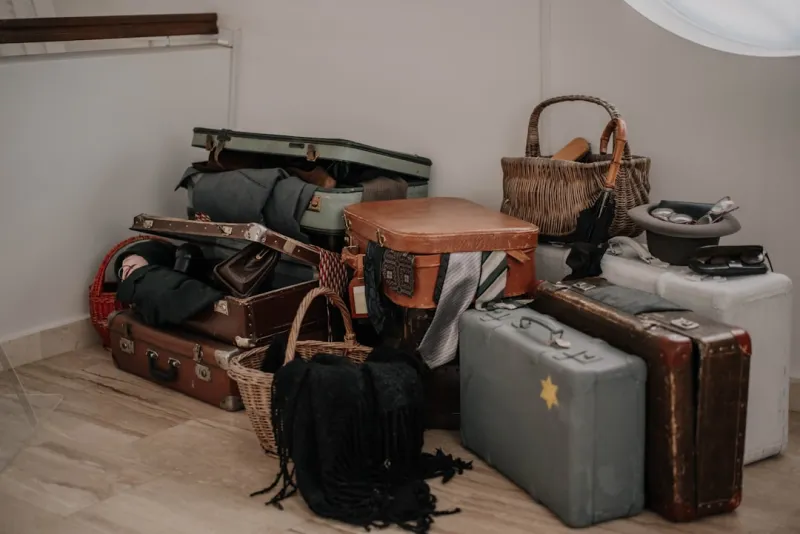
How to upcycle vintage suitcases into stylish pet beds with built-in storage
Setup & Materials
By Alex • November 15, 2025 • DIY Guide
Are you looking for a unique way to elevate your home decor while creating a cozy retreat for your beloved pet? Upcycling vintage suitcases into stylish pet beds with built-in storage is not only a clever solution for maximizing space but also a delightful project that brings character to your living environment. This DIY project combines functionality with aesthetic appeal, allowing you to cherish the vintage charm of suitcases while providing your pet with a comfortable and secure resting space.
Why This Project?
This upcycling project highlights the increasing trend of sustainability and creative re-use of old household items. Vintage suitcases are often found in thrift stores, flea markets, or even in your attic, waiting to be given a new lease on life. By transforming them into pet beds, you not only recycle materials but also contribute to a more eco-friendly lifestyle. Additionally, you can personalize the look to match your home décor, making it a seamless addition to your interior style.
Benefits of this project extend beyond aesthetics; it allows for functional storage space within the suitcase—perfect for keeping pet toys, grooming tools, or even travel essentials neatly tucked away. And for pet owners, creating a dedicated space for their furry companions helps them feel secure, promoting better behavior and a comforting retreat, especially during stressful moments.
Skill Level: Beginner
Don't worry if you have little to no experience with DIY projects; this guide is tailored for beginners! You need basic crafting skills, creativity, and a willingness to learn. With careful attention to detail and the right tools, anyone can tackle this project and create a beautiful pet bed that doubles as storage.
Tools Needed
Screwdriver Set: Essential for disassembling any vintage suitcase components and for adding any hinges or handles.
Drill: Useful for making holes for the bed support structure and attaching any hardware securely.
Measuring Tape: Ensures accurate measurements for cutting the bedding support and ensuring everything fits well.
Sander or Sandpaper: Helps to smooth out any rough edges of the suitcase to prevent splinters or injuries.
Fabric Scissors: A necessity for cutting foam, fabric, and any other soft materials required for your pet bed.
Hot Glue Gun: Supports easy and quick adherence for fabric, decorations, and any embellishments.
Paintbrush and/or Roller: If you choose to paint or seal your suitcase, these will help in achieving a smooth application.
Protective Gear (Gloves and Masks): Safety first! Protect yourself from dust and fumes while working on this project.
Materials
Vintage Suitcase: 1 – Choose a sturdy suitcase that can withstand regular wear and tear.
Foam Cushion: 1 piece (approximately 2 inches thick) – Offers a soft yet supportive surface for your pet to rest on.
Fabric for Upholstery: 1-2 yards – Select durable, pet-friendly fabric that can complement your decor.
Wooden Board or Plywood: 1 piece (cut to fit the suitcase interior) – Provides a stable base for the cushion.
Paint or Stain: 1 can – Optional for updating the exterior. Choose non-toxic varieties suitable for indoor use.
Wooden Dowels or Support Beams: 4 pieces – For additional support beneath the cushion.
Storage Bins or Baskets: 2-3 – To fit inside the suitcase for organizing pet items or toys.
Sewing Kit (thread, needle): As required – For those who wish to sew upholstery covers for a more polished look.
Decorative Items (ribbons, patches): As desired – To add personal touches to the suitcase.
Step-by-Step Instructions
Step 1: Select Your Suitcase and Gather Inspiration
Before diving into this project, take a moment to explore different styles and colors of vintage suitcases. Find one that speaks to you and fits your home aesthetic. Look at online platforms, such as Pinterest or Instagram for inspiration on designs and color schemes. Assess the suitcase's condition; if there are worn areas, you may wish to consider painting or refinishing it.
Tip: When choosing a suitcase, opt for one that opens on the top rather than one that unzips or has no lid for easier access.
Step 2: Prepare Your Workspace
Clear and clean a dedicated area in your home for this project. Lay down a drop cloth or old newspaper to protect your surfaces from dust and debris. Gather all your tools and materials in one place for easy access. Consider ventilating the area if you intend to use paint or strong adhesives.
Safety Tip: Ensure you have adequate lighting and wear protective gloves during sanding or while handling any sharp tools.
Step 3: Disassemble the Suitcase (If Necessary)
Inspect the interior of the suitcase and assess whether any unnecessary components (like old straps or fabric lining) need removing. Use your screwdriver or pliers to carefully take these out without damaging the suitcase's structure.
Tip: Take pictures during this process to remember how everything was originally positioned, making reassembly easier later.
Step 4: Prepare the Base
Cut your wooden board or plywood to fit snugly inside the suitcase. This will provide a solid foundation for your foam cushion. Make sure that the board is slightly smaller than the suitcase to allow for easy placement.
Tip: Use a jigsaw for cutting the plywood with precision. Measure twice before cutting to avoid any mistakes.
Step 5: Sanding and Painting the Suitcase
Smooth out any rough edges of the suitcase and the wooden board using sandpaper or a sander. This will help prevent any injuries or snags while handling. You may proceed to paint or stain the suitcase; allow it to dry completely before continuing with additional steps.
Tip: For a distressed look, consider painting a light color and then lightly sanding edges to expose some of the suitcase's original material.
Step 6: Cut and Cover the Foam Cushion
Measure the dimensions of the wood base and cut the foam accordingly to fit perfectly. Once cut, wrap the foam in your chosen fabric, ensuring it is taut and even. Use a hot glue gun to adhere the fabric at the bottom of the foam, attaching it securely and neatly.
Tip: If constructing an upholstery cover, sew fabric pieces together and create a pocket for the foam for easy removal and cleaning.
Step 7: Attach the Foam Cushion to the Wood Base
Once the foam is covered, place it on the wooden base and secure it gently with strong adhesive and/or screws if preferred for extra sturdiness. Ensure it is centered and positioned correctly within the suitcase.
Tip: Let it cure for recommended time according to the adhesive’s instructions to ensure the cushion stays in place.
Step 8: Add Storage Solutions
Use your chosen storage bins or baskets and place them within the case. You can also introduce wooden dowels or support beams for added stability beneath the cushion base if the suitcase is deep.
Tip: Customize these storage solutions to hold pet toys, leashes, snacks, etc. Label containers for even more organization.
Step 9: Decorate Your Suitecase Pet Bed
Enhance the suitcase pet bed's appearance by adding decorative items or a personalized touch—think cute patches, ribbons, or stencils. This step allows you to express your style and make the piece truly yours.
Tip: Ensure all decorations are securely fastened to prevent them from becoming a choking hazard for your pet.
Step 10: Introduce Your Pet to Their New Bed
Place your new pet bed in a cozy and familiar area of your home. Encourage your pet to explore and enjoy the new space by placing their favorite toys or a familiar blanket on or in the bed.
Tip: Be patient and allow your pet to acclimate to their new bed. Sometimes it may take multiple attempts before they feel entirely comfortable.
Troubleshooting
Even seasoned DIY enthusiasts occasionally face challenges. Here are some common issues and their fixes:
Uneven Foam Cushion Fit: If the cushion doesn't sit evenly, try using a thicker foam or remeasuring the wooden base for adjustments. Ensure the foam is cut precisely to avoid gaps.
Suitcase Paint Doesn’t Adhere: If paint is peeling, it may be due to poor surface preparation or the type of paint used. Ensure you sand thoroughly and use suitable paint designed for the material.
Cushion Slips Around: If the cushion shifts, consider applying anti-slip pads underneath the foam for stability. An additional layer of fabric gripping underneath can also help.
Storage Bins Don't Fit: If the storage bins are too large, opt for collapsible or fabric bins that can flexibly fit into the space. You can also adjust the internal layout to accommodate different shapes.
Stability Issues: If your pet bed feels wobbly or unstable, add additional support beams beneath the board to enhance sturdiness. Ensuring the correct weight distribution can also help.
Conclusion
Transforming a vintage suitcase into a stylish pet bed with built-in storage is not only a creative way to breathe new life into old items, but it also creates a functional and quirky space for your beloved furry friend. With careful planning and attention to detail, you can craft a unique pet space that brings joy to both you and your pet while also maintaining your home’s aesthetic charm.
This project allows for various modifications, from choosing different suitcase styles and colors to customizing the fabric and storage solutions, depending on your preferences. Enjoy the process of creating something that reflects your personality!
Lastly, maintaining your upcycled pet bed involves regular cleaning and inspecting for any wear and tear. ??Simply wipe down the exterior and wash the removable covers periodically to keep it looking new and ensure a comfortable, safe space for your pet.
Get started today and watch as your living space evolves with personality and charm, all while pampering your pet!