How to Sustainable Home Garden Project Ideas for Beginners 2025
Tools Needed
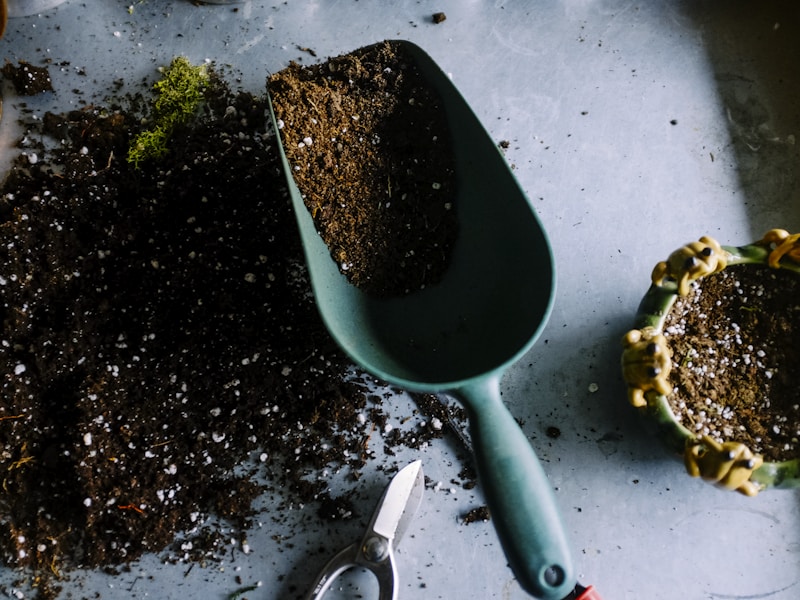
- Hand trowel or shovel
- Gardening gloves
- Watering can or hose with nozzle
- Pruning shears
- Soil testing kit
- Measuring tape
- Compost fork
- Rain barrel (for water collection)
Materials
- Organic compost (5-10 cubic feet)
- Native plant seeds or seedlings (e.g., basil, tomatoes, marigolds)
- Recycled containers or pallets for raised beds
- Landscaping fabric (for weed control)
- Organic mulch (straw or wood chips, 2-3 inches)
- Rainwater collection barrel
- Beneficial insect attractors (e.g., ladybug houses)
- Neem oil for natural pest control

Intro Story: Why Sustainable Gardening in 2025?
The pandemic changed how many of us valued our home environments, igniting a creative and sustainable gardening movement. What started with a few potted herbs on my windowsill quickly morphed into a full-fledged home garden as I sought to cultivate not just my plants but also a connection to nature. My first successes came in tiny bursts—the sweet aroma of basil, the vibrant color of marigolds, and the pride of growing my own tomatoes. Each step of nurturing these plants instilled in me a profound respect for the environment and the cycles of growth and decay. By 2025, sustainability is more crucial than ever in our daily lives. If you're a beginner looking to dig into sustainable gardening, you'll discover it isn't just about food; it's about creating a serene outdoor space, reducing your carbon footprint, and fostering biodiversity. Let's embark on this journey to create a thriving, sustainable garden from the ground up!
Step-by-Step Guide to Your Sustainable Home Garden
Step 1: Choose the Right Location
Select an area in your yard or balcony that receives at least 6-8 hours of sunlight daily. Observe your space throughout the day to see how sunlight moves, noting any shaded areas that might affect plant growth. Avoid places with too much foot traffic, as plants thrive best in quiet, undisturbed corners. For urban beginners, a sunny windowsill or balcony works wonders—consider vertical gardening with hanging pots to maximize space. This simple choice sets the foundation for success and ensures your plants get the energy they need to flourish sustainably.
Step 2: Assess Your Soil Quality
Perform a soil test to determine its pH and nutrient levels using an affordable kit from your local garden center. Aim for a pH between 6.0 and 7.0 for most vegetables and herbs. Amend your soil with organic compost to enhance fertility, structure, and drainage—mix in 2-3 inches of compost and till it gently. If your soil is heavy clay, add sand or perlite for better aeration. Healthy soil is the foundation of a vibrant garden, and starting with this step prevents future headaches like poor drainage or nutrient deficiencies.
Step 3: Plan Your Garden Layout
Consider the types of plants you want to grow, their growth patterns, and spacing needs. Group plants with similar water and sunlight requirements together—companion planting (e.g., tomatoes with basil) boosts sustainability by natural pest control. Sketch a simple layout on paper, factoring in access paths for easy harvesting. Raised beds or containers can optimize space and soil quality, allowing for more control over your garden environment. For small spaces, go vertical with trellises made from recycled wood. This planning phase saves time and resources long-term.
Step 4: Start Composting
Set up a compost bin using recycled pallets or a store-bought tumbler to recycle kitchen scraps and yard waste. Include a mix of carbon-rich materials (dry leaves, cardboard) and nitrogen-rich materials (vegetable scraps, grass clippings) for balanced decomposition. Turn your compost every 1-2 weeks and monitor moisture levels—it should feel like a wrung-out sponge. In 2-3 months, you'll have nutrient-rich "black gold" for your soil. Composting closes the loop in your sustainable system, reducing waste and landfill contributions while feeding your garden naturally.
Step 5: Select Native Plants
Choosing native plants is a cornerstone of sustainability—they require less water, fertilizer, and maintenance while supporting local wildlife. Research what thrives in your region via apps like iNaturalist or local extension services. Opt for a mix of flowers (for pollinators), herbs (for cooking), and vegetables (for harvest). Start small with 4-6 varieties to avoid overwhelm. Native plants not only save you money but also create a resilient ecosystem right in your backyard, attracting bees and butterflies for free pollination.
Step 6: Water Wisely
Install a rain catchment system with a barrel under your downspout to collect free rainwater for irrigation. Water early morning or late afternoon to minimize evaporation—deep, infrequent watering encourages strong roots. Use soaker hoses or drip systems for targeted delivery, saving up to 60% water. Mulch around plants to retain moisture further. In 2025, smart sensors (affordable on Amazon) can automate this, but start simple with a timer. Wise watering keeps your garden lush without wasting resources.
Step 7: Mulch for Moisture
Apply 2-3 inches of organic mulch (straw, wood chips, or shredded leaves) around plants to retain soil moisture, suppress weeds, and regulate temperature. Mulch breaks down over time, adding nutrients back to the soil. Avoid piling it against stems to prevent rot. For a sustainable twist, use grass clippings from your mower (untreated only). This low-effort step cuts watering needs by 50% and keeps your garden looking tidy.
Step 8: Maintain a Pest Management Plan
Embrace integrated pest management (IPM) with natural methods: Introduce beneficial insects like ladybugs for aphids. Spray neem oil or insecticidal soap on affected leaves weekly. Hand-pick larger pests and use row covers for protection. Monitor plants daily—early detection is key. Avoid chemicals to protect pollinators. In 2025, apps like Plantix can diagnose issues via photo. This approach keeps your garden healthy without harming the ecosystem.
Step 9: Harvest and Enjoy
Harvest regularly to encourage production—snip herbs often, pick veggies at peak ripeness. Save seeds from flowers and tomatoes for next season's free plants. Share excess with neighbors to build community. Enjoy meals from your garden; the flavor is unbeatable. Track your progress in a journal to refine future years. Harvesting closes the cycle, turning effort into delicious, sustainable rewards.
Step 10: Share Your Experience
Join online communities like Reddit's r/gardening or local Facebook groups to exchange tips. Document your journey on Instagram (#SustainableGarden2025) for inspiration. Trade seeds or host a neighborhood swap. Sharing amplifies impact—your success could spark another's green thumb. In 2025, citizen science apps like iNaturalist let you contribute data to global biodiversity efforts.
Troubleshooting Common Beginner Issues
If plants yellow, check for overwatering (soggy soil) or nutrient gaps (add compost). Wilting? Increase mulch or shade cloth during heatwaves. Pests appearing? Inspect undersides of leaves and introduce predators immediately. Poor germination? Ensure seeds are fresh and soil warm (above 60°F). For urban gardens, balcony wind can dry soil fast—use windbreaks like screens. Most issues stem from location or water; adjust early for quick recovery. Remember, even pros lose plants—learn and iterate!
Conclusion: Your Sustainable Garden Awaits
Launching a sustainable home garden in 2025 is an empowering step toward self-sufficiency and environmental stewardship. From that first compost turn to the joy of your inaugural harvest, every moment builds skills and serenity. You've now got the blueprint—tools, steps, and mindset—to create an eco-oasis that feeds your family and the planet. Start small, stay consistent, and watch magic unfold. What's your first project? Share in the comments below!