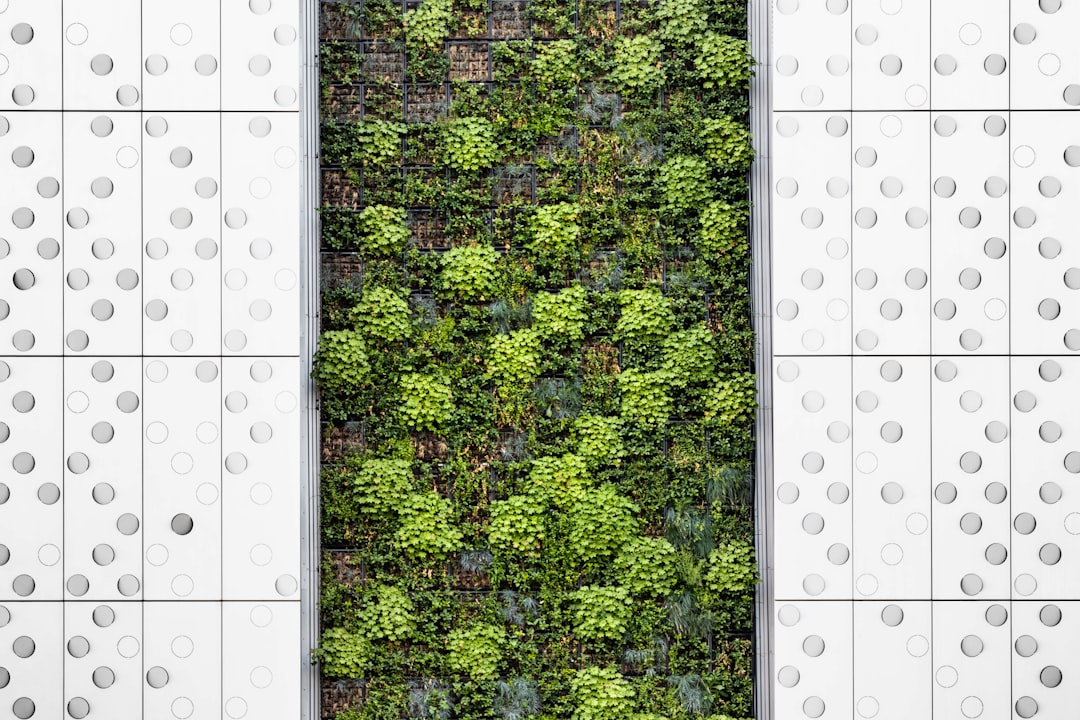
How to how to create a vertical garden using recycled materials
How to Create a Vertical Garden Using Recycled Materials (Step-by-Step for Beginners)
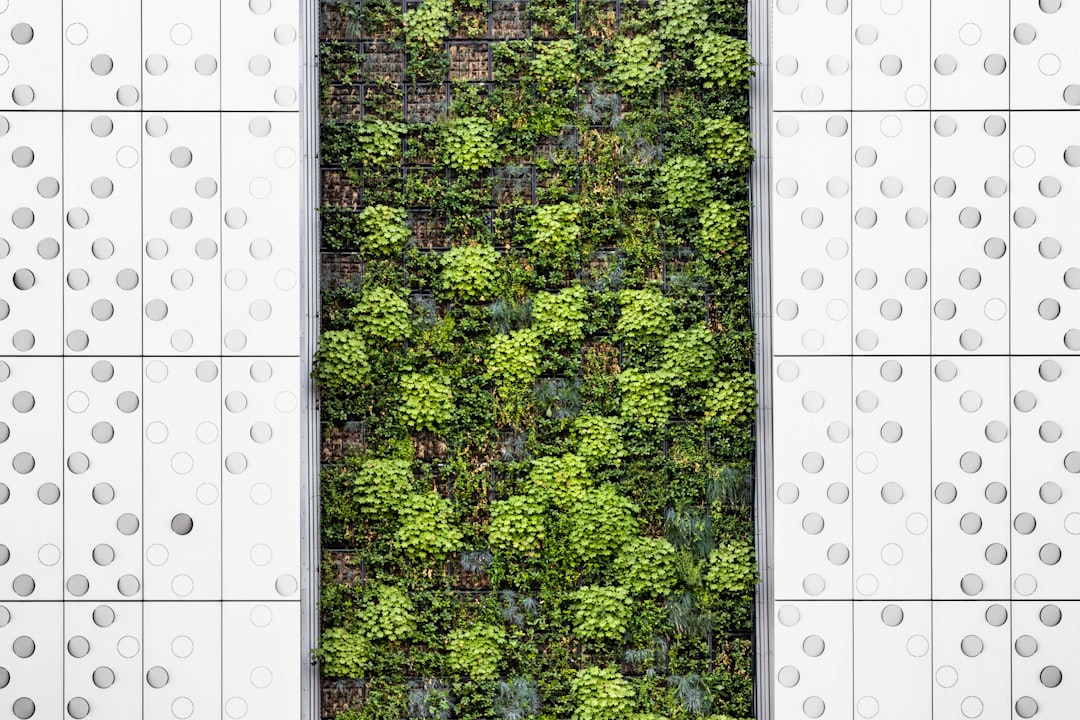
Vertical gardens are an eco-friendly way to bring greenery into your living space, especially if you’re short on horizontal space. Not only do they brighten up any environment, but they can also be an excellent way to grow your own herbs, vegetables, or flowers. In this DIY guide, you will learn how to create a vertical garden using recycled materials, perfect for beginners looking to get started with gardening with a conscience.
Tools Needed
- Drill and drill bits
- Scissors or a utility knife
- Paintbrush (optional, for painting)
- Screwdriver (if using screws)
- Measuring tape
- Level (optional, but helpful)
- Potting soil
- Safety gloves
- Pallets (wooden)
- Old wooden crates or boxes
- Plastic bottles (cut in half)
- Old gutters
- Wire mesh or fabric (for drainage)
- Old tires (optional)
- Nails or screws
- Zip ties or string (for hanging)
- Paint (optional, for decoration)
- Plants (herbs, succulents, or flowers—your choice!)
- Check Soil: Use your fingers to check if the soil is dry a couple of inches below the surface.
- Drainage: Ensure your vertical garden has good drainage. Look for drainage holes in your bottles, crates, or pallets.
Materials
Step 1: Choose Your Location
Before diving into the construction of your vertical garden, pick a location that receives adequate sunlight. Most plants need 6-8 hours of sunlight a day, so a spot near a south-facing window, balcony, or wall is ideal.
Step 2: Selecting and Preparing Your Materials
Choose the recycling materials you want to use. Here are options based on your preference:
#
Using Wooden Pallets:
1. Inspect the pallet for any damage. Ensure it’s in good shape without any broken boards. 2. Sand down any rough edges or splinters to prepare it for painting or planting. 3. You can paint or stain it to improve its aesthetic appeal and protect it from the elements.
#
Using Plastic Bottles:
1. Rinse and clean the bottles well. 2. Cut them in half. The top half can be used as a planter, and you can cut drainage holes at the bottom.
#
Using Crates, Tires, or Gutters:
1. For crates and gutters, make sure they are clean and free of any harmful chemicals. 2. If using tires, wash them thoroughly. You can leave them as they are for a rustic look or paint them.
Step 3: Assembling Your Vertical Garden
#
Option 1: Wooden Pallet Garden
1. Position the Pallet: - Lay your pallet flat on a surface. 2. Planting Areas: - Decide how many planting areas you want in the pallet (often about 6-8). - Fill in the slats of the pallet with a wire mesh or fabric to hold the soil (this retains the soil and prevents it from falling out).
3. Add Soil and Plants: - Turn the pallet upright. - Fill the planting slots with potting soil and then add your chosen plants.
4. Mount the Pallet: - Secure the pallet to a wall using brackets or screws for stability.
#
Option 2: Wooden Crates or Boxes
1. Stacking: - Arrange your crates in a tower, ensuring they’re stable. 2. Planting: - Fill each crate with potting soil and plant your herbs or flowers.
3. Support: - If necessary, secure crates to each other or to a wall.
#
Option 3: Plastic Bottle Planters
1. Hanging Setup: - Use string or zip ties to create a hanging system for your plastic bottle planters. - Keep them spaced well apart to allow for growth.
2. Planting: - Add soil and plants, ensuring there is enough drainage.
#
Option 4: Old Gutters
1. Hanging Gutters: - Cut gutters into desired lengths and drill holes on each end for hanging. - Use screws and brackets to mount them horizontally.
2. Planting: - Fill the gutters with soil and plant herbs or flowers along the length of them.
Step 4: Watering and Maintenance
After planting, it’s crucial to establish a watering routine. Depending on the plants you chose and the weather, it may be necessary to water daily or every few days. Be attentive, as vertical gardens can dry out quicker than traditional gardens.