How to how to create a sustainable backyard garden for beginners 2025
Setup & Materials
By Alex • November 12, 2025 • DIY Guide
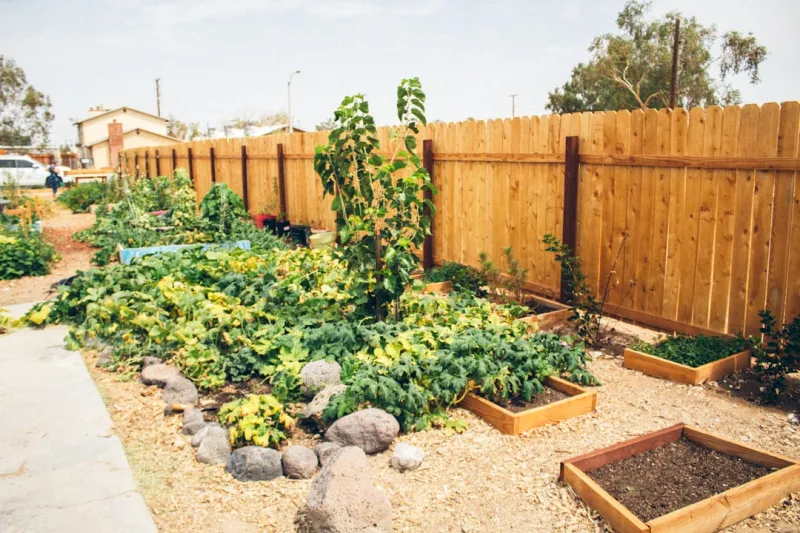
Creating a sustainable backyard garden can be an incredibly rewarding endeavor. Not only does it produce fresh fruits, vegetables, and herbs, reducing your carbon footprint, but it also creates a sanctuary for wildlife and promotes biodiversity. A sustainable garden operates on the principles of respecting natural ecosystems, conserving resources, and minimizing waste. As we move into 2025, the importance of growing our own food in an environmentally friendly manner becomes even more critical, especially given the challenges posed by climate change and urban expansion.
Whether you have a sprawling backyard or a quaint balcony, you can start a sustainable garden that suits your space and lifestyle. This guide will walk you through the essential tools, materials, and steps to create your garden from scratch. From choosing the right plants to implementing eco-friendly practices, you'll soon be on your way to cultivating a thriving garden that nourishes both you and the planet. Let’s get started on this fulfilling journey toward sustainability!
Tools Needed
Garden fork: For breaking up soil and mixing organic material.
Hand trowel: Ideal for digging holes for planting.
Watering can: Helps you deliver water directly to plants.
Gloves: Protects your hands while working in the soil.
Pruning shears: Useful for cutting and trimming plants.
Garden hoe: Great for weeding and tilling the garden bed.
Rake: Helpful for leveling soil and removing debris.
Compost bin or container: Essential for creating homemade compost.
Final Result
Materials
Organic soil: A rich blend to promote healthy plant growth.
Compost: Provides nutrients to your plants and enhances soil structure.
Mulch: Helps retain soil moisture and suppresses weeds.
Seeds/seedlings: Choose native or heirloom varieties for best results.
Natural pesticides: Essential for protecting your plants from pests without harmful chemicals.
Rain barrel: Collects rainwater for eco-friendly irrigation.
Plant markers: Keeps track of what you’ve planted in your garden.
Garden netting: Protects your plants from birds and other animals.
Drip irrigation system (optional): Efficient watering system that minimizes water waste.
Organic fertilizers: To enhance soil nutrients as needed.
Step 1: Define Your Garden Space
Before planting, consider your available space. Whether it’s a backyard, balcony, or side yard, identify how much sunlight, shade, and moisture the area receives throughout the day. Decide if you’ll plant in the ground, use raised beds, or containers.
Step 2: Assess Soil Quality
Check the quality of your soil by performing a simple test. Gather a sample and squeeze it in your hand. If it holds together, it’s clay; if it crumbles, it’s sandy; and if it forms a ball, it’s loamy. You might need to enrich poor soil with organic compost or buy organic soil.
Step 3: Plan Your Plants
Choose plants suited to your growing zone and climate. Beginners should start with easy-to-grow vegetables and herbs, such as tomatoes, lettuce, basil, and peppers. Create a plant guide with details on spacing, light, and watering needs.
Step 4: Prepare Your Garden Bed
Use a garden fork to turn the soil and remove any weeds, rocks, or debris. Mix in compost to improve the soil structure and nutrient content. Rake the area to create an even surface, and consider adding a layer of mulch to retain moisture.
Step 5: Plant Seeds and Seedlings
Follow the packet instructions for planting seeds or transplanting seedlings. Space them according to their size and growth habits. Plant each seed or seedling at the appropriate depth and gently pack the soil around it.
Step 6: Water Wisely
Water your plants regularly, but be cautious not to overwater. Using a watering can or a drip irrigation system can help deliver moisture directly to the roots. Morning watering is optimal, as it reduces evaporation loss.
Step 7: Implement Pest Management
Keep an eye out for pests, and adopt natural pest management techniques. Introduce beneficial insects like ladybugs, use neem oil, or create traps using vinegar to deter unwanted visitors. Cultivate diversity in your garden to promote a balanced ecosystem.
Step 8: Maintain Your Garden
Regular maintenance helps ensure your garden thrives. This includes weeding, pruning, and adding mulch to retain moisture. Revisit your watering schedule, particularly during dry spells, and adjust based on weather conditions.
Step 9: Harvest and Enjoy
As your plants grow, enjoy the fruits of your labor! Harvest vegetables when they’re ripe, and eat them fresh or preserve them for later. Encouraging you to engage friends and family to share in the joy of garden harvesting can enhance your experience.
Step 10: Compost and Recycle
When you finish gardening, ensure to recycle plant remnants and kitchen waste by composting. This not only reduces landfill waste but also enriches your garden soil, creating a sustainable cycle of nutrients.
Troubleshooting
Common issues that may arise in your garden include pests, diseases, or poor growth. If you notice wilting or yellowing leaves, check for root rot, and minimize watering or improve drainage. For pests, try DIY remedies like soap sprays or introduce natural predators. If plants seem sluggish, it may be a sign of nutrient deficiency—consider applying organic fertilizer or fresh compost. Additionally, ensure you are planting at the appropriate time for your hardiness zone; early or late planting can hinder growth and yield.
Conclusion
Establishing a sustainable backyard garden is an enriching adventure for beginners. With the right tools, materials, and dedication, anyone can create a flourishing garden that contributes to personal well-being and environmental health. As you observe the seasons unfold, the joys of watching your garden grow—along with the knowledge that you’re nurturing the earth—will inspire you to continue gardening for years to come. Embrace the journey, and let nature lead the way!