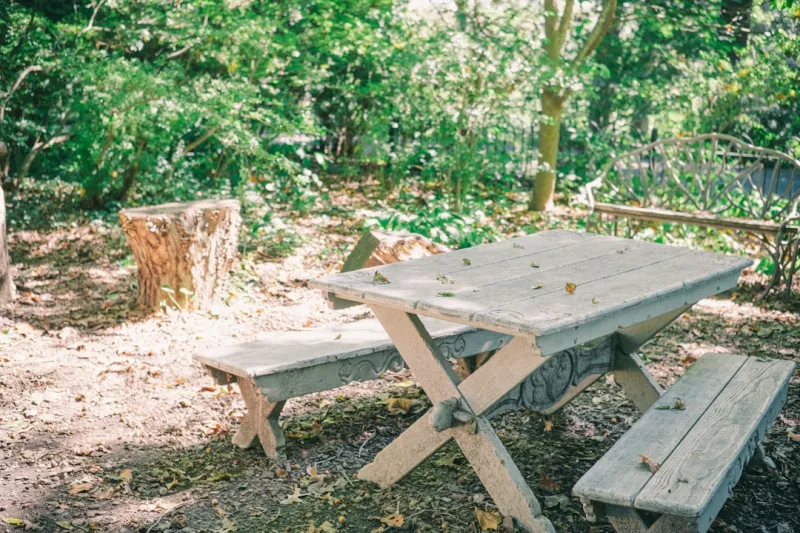
How to diy wooden garden bench plans for beginners
Setup & Materials
By Alex • November 13, 2025 • DIY Guide
Creating a wooden garden bench can add charm and functionality to your outdoor space. It serves as a perfect focal point in your garden, a cozy place to enjoy your morning coffee, or a relaxing spot to unwind after a long day. If you're a beginner looking to embark on a woodworking project, making a garden bench is an achievable goal that will enhance your outdoor living area. Not only will you learn basic carpentry skills, but the satisfaction of building something with your own hands is immensely rewarding. This DIY guide will walk you through every step of building your very own wooden garden bench, from gathering necessary materials to final touches.
In this guide, we will provide you with a complete list of tools and materials you’ll need, a breakdown of steps to follow, troubleshooting tips to overcome challenges, and a conclusion to inspire your new hobby. Whether you want a bench for resting while gardening, entertaining guests, or enjoying quiet moments outdoors, let’s get started on bringing your vision to life!
Tools Needed
Before you embark on your woodworking adventure, ensure you have the following tools:
Measuring Tape: For accurate measurements.
Circular Saw: To cut wood pieces to the required sizes.
Drill: For drilling holes and driving screws.
Screwdriver: For tightening screws and assembling the bench.
Sander: To smooth rough edges.
Level: To ensure your bench is even.
Clamps: To hold pieces together while securing them.
Safety Glasses: To protect your eyes while using power tools.
Materials
Here’s a list of the materials you will require for building a sturdy wooden garden bench:
2x4 Inch Lumber: For the bench frame and seat.
Wood Screws: To assemble the bench parts.
Wood Glue: For additional strength (optional).
Sandpaper: For finishing touches.
Wood Finish or Paint: To protect against weather and enhance aesthetics.
Wood Stain (Optional): For color preference.
L-brackets: To provide added support to the joints (optional).
Wooden Dowels: To secure joints if desired.
Protective Sealant: To ensure your bench withstands outdoor elements.
Step-by-Step Instructions
#### ### 1. Design Your Bench
Start with a simple design. Sketch out your ideal bench including the dimensions (a common size is 48 inches long, 18 inches wide, and 18 inches high). A rectangular shape is easy to construct and allows ample seating space.
#### ### 2. Gather and Cut Your Wood
Using your measuring tape, mark the dimensions on your 2x4 lumber. In total, you’ll need:
2 pieces for the side legs (18 inches each),
2 pieces for the short end supports (4 pieces at 18 inches),
2 long pieces for the bench top (2 pieces at 48 inches),
2 pieces for the cross braces (2 pieces at 42 inches).
Use a circular saw to cut your lumber accordingly, ensuring all cuts are straight and even.
#### ### 3. Assemble the Frame
First, take the two side legs and attach the short end supports using wood screws. Position a side leg vertically and attach one short end piece parallel to the ground, using screws for secure attachment. Repeat on the opposite side.
Next, connect the two side frames with the long top pieces. The structure should resemble a rectangular frame. Use clamps to hold everything in place while you secure screws through the frame joints.
#### ### 4. Add the Bracing
To ensure your bench is stable and can withstand weight, attach the cross braces. Position and attach the two 42-inch pieces diagonally between the frame (one near the top and another at the bottom). This will enhance support and prevent wobbling.
#### ### 5. Build the Seat
Once the frame is secure, place the two long 48-inch pieces perpendicular to the frame—you should have something resembling a table at this point. Ensure that they are spaced evenly and secure them using wood screws.
#### ### 6. Smooth the Edges
Using sandpaper or a sander, carefully smooth out any rough edges. Pay special attention to the corners and surfaces where people will touch. This step is crucial for safety and visual appeal.
#### ### 7. Paint or Stain Your Bench
Once the bench is smooth, apply your desired wood finish or paint. A natural wood stain can enhance the appearance while offering protection from the elements. If you've chosen paint, opt for outdoor paint for durability.
Make sure to let the finish dry according to the manufacturer's instructions before using the bench.
#### ### 8. Add Finishing Touches
If you want, you can use additional decorative touches such as cushions or slatted seating preferences. By using weather-resistant fabric cushions, you enhance comfort and visual appeal. If you used dowels or L-brackets for your bench, check that all screws are tightened.
#### ### 9. Allow to Cure
Before using your new bench, give it ample time to cure if you have applied wood finish or paint. This ensures a strong protective layer is formed.
Troubleshooting
Uneven Seat: If your seat seems uneven, revisit your measurements and use a level to find the culprit. Adjust any legs with wood shims if necessary to ensure stability.
Wobbly Bench: If your bench creaks or feels unstable, re-examine the cross braces. Ensure they are tightly secured and consider adding extra bracing if needed.
Paint Drips: If you experience drips in your painted finish, sand down the particularly rough spots once dry and apply an even coat again.
If obstacles arise, consider each problem separately, revisiting your assembly steps or seeking help in woodworking forums.
Conclusion
Building your own wooden garden bench is an excellent way to enhance your outdoor space while developing essential woodworking skills. Not only does it provide a practical place to sit and enjoy the outdoors, but it also offers personal pride in having crafted something from scratch. Remember, consistency, patience, and attention to detail are vital in any woodworking project. With the right tools, materials, and steps, you can create a beautiful and functional addition to your garden. So gather your materials, fire up those tools, and let's create a space where relaxation meets nature!