Introduction
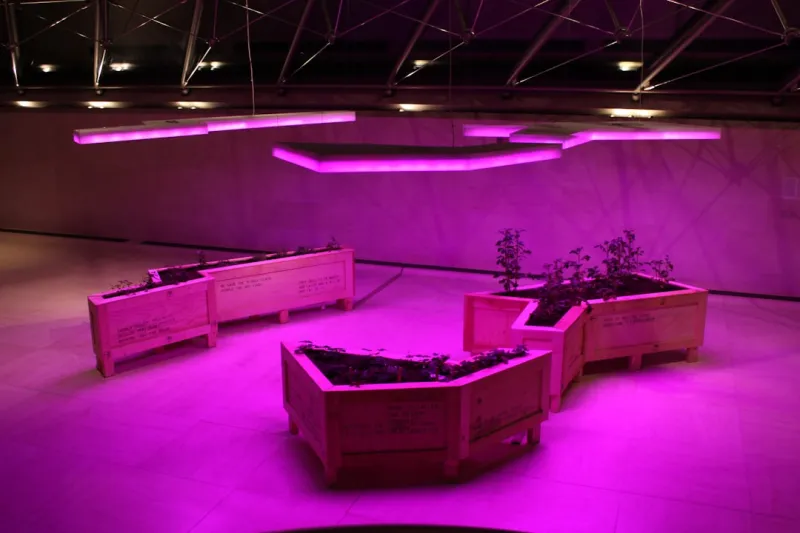
Create An Indoor Vertical Garden Using Repurposed Wine Crates And Led Grow Lights
5 (76)
indoor vertical garden using repurposed wine crates could be the perfect for you!This DIY endeavor is not just about beautifying your home; it’s also an eco-friendly initiative as it encourages reusing
materials
that might otherwise end up in landfills. Recycled wine crates provide a rustic charm and sturdy containers for your favorite plants. Coupled with LED grow lights, your vertical garden can thrive year-round regardless of the weather outside, making this a suitable for both experienced gardeners and novices alike.Benefits:Vertical gardens save space, allowing you to grow a variety of plants without taking up too much room.They improve air quality and can boost your mood. By using repurposed
materials
, you’re minimizing waste and contributing to sustainability. LED grow lights ensure your plants have the right amount of light, even in low-light environments.Skill
- Level: This is Beginner-friendly and requires basic crafting and gardening skills. Even if you're new to gardening, follow the steps, and you’ll have a thriving vertical garden in no time!
Tools
- Needed
- Cordless Drill: Essential for drilling holes in the wine crates for drainage and for attaching them to a wall or frame.Stud
- Finder: Helps locate studs in the wall for securely mounting the wine crates, ensuring they can hold the weight of the plants and soil.Screwdriver: Needed to attach crates together or to fasten them to the wall.Level: Ensures your vertical garden is hung evenly, preventing plants from leaning or falling over.Measuring
- Tape: Important for planning dimensions and ensuring that everything fits well in your indoor space.Potting
- Soil: provides the necessary nutrients and medium for your plants to grow in the crates.Plants / Seeds: Herbs, succulents, or small veggies are great options that thrive in vertical gardens.LED Grow
- Lights: Essential for providing adequate lighting for plants, especially in areas with limited natural light.
Materials
- Wine Crates: 3–5 crates (depending on how large you want your garden).Wood
- Screws: 1 box (to secure the crates together and to the wall).
- Potting Soil: 2 bags (or enough to fill your crates).
- Plants or Seeds: 10–15 plants or packets of seeds based on your selection.
- LED Grow Lights: 1-2 sets (based on the size of your ).
- Watering Can: 1 (for watering your plants).
- Plastic Liner: Enough to line the inside of each crate (to prevent soil from falling out and to hold moisture).
- Hooks or Wall Brackets: 4-8 (for securely mounting the crates on the wall if not stacked).
Step 1:
Plan Your Garden SpaceBefore you haul out your wine crates and tools, take the time to plan your vertical garden layout. Decide where you want to place the garden (a wall in your kitchen or living room is often a great choice) and what plants you wish to grow.
Tips: Consider the amount of light available; South walls get the most sunlight, while North walls may need more grow lights. Also, think about the height at which you’d like your garden; it should be easily accessible for watering and harvesting.
Step 2:
Prepare the Wine CratesOnce you have your crates, it’s essential to prep them for planting.Remove any nails or staples from the crates to avoid injury.Sand down any rough edges or splinters. Line the inside of the crate with a plastic liner to help retain moisture and prevent soil from escaping through the slats.Tips for
- Preparation:Ensure that the liner is secure at the bottom; you can staple it or use adhesive.Check for drainage holes; if none exist, drill a few small holes in the bottom of the crates to allow excess water to escape.
Step 3:
Assemble the CratesDetermine whether you will stack the crates vertically or mount them on the wall.For vertical stacking, simply stack the crates, ensuring each one is stable and balanced. For wall mounting, use a stud finder to locate the studs in your wall where you will install the crates.Use wood screws to secure each crate, ensuring they can hold the combined weight of soil and plants.Important
- Safety
Tips: Always wear safety goggles while drilling to protect your eyes from debris.Ensure that your screw gun or drill is appropriately set to avoid stripping screws.
Step 4:
Fill Crates with Potting SoilFill each crate with potting soil, leaving about an inch or two at the top for watering.
Tip: Use a mix that caters to the specific needs of the plants you've chosen. For herbs, a Wellng soil mix works best.Why
- This Matters:perly filled crates will ensure your plants have enough room to root and grow without risk of drowning when irrigated.
Step 5:
Choose and Plant Your PlantsSelect plants that do well in vertical gardens.Herbs like basil, parsley, and cilantro are excellent choices as they also provide culinary benefits. You can also opt for small veggies like cherry tomatoes or strawberries if you want something more substantial.When planting, take care to plant them at the appropriate depth. Read the instructions for each plant for planting recommendations.Tips for
- Planting:Consider the sunlight requirements of each plant; place taller plants at the top and shorter ones below to ensure all receive adequate light.
Step 6:
Install LED Grow LightsTo ensure your plants thrive in a lower-light indoor environment, install LED grow lights.Position the lights about 6-12 inches above the plants to ensure they receive adequate light without burning.Use a timer to simulate a day-night cycle; most plants do best with around 12-16 hours of light daily.Safety
- Considerations:Ensure that all electrical work abides by safety standards. If you're unsure about setting up electricity, consult an electrician for help.Use LED lights that are cool to the touch to minimize any risk of overheating.
Step 7:
Watering RoutineDeveloping a watering routine is crucial for the health of your vertical garden.Start by watering your plants deeply after planting and then monitor the water needs based on your plants’ specific requirements.Regulate using a moisture meter or by checking the top inch of the soil.Tips for
- Effective Watering:Water early in the morning or late in the afternoon to avoid evaporation.If you notice your plants wilting, it’s often a sign they need more water.
Step 8:
Maintenance and CareAfter setting everything up, remember that ongoing maintenance is key to a thriving vertical garden.Regularly check the health of your plants and remove any dead or diseased leaves.Fertilize every few weeks based on the needs of your chosen plants (liquid fertilizers are often easiest for vertical gardens).Best
- Practices:Rotate your plants occasionally to ensure they’re receiving adequate light from the grow lights.Keep an eye out for pests; if noticed, treat them gently and organically.
2026 •