How to create an indoor vertical garden using repurposed pallets and smart irrigation systems
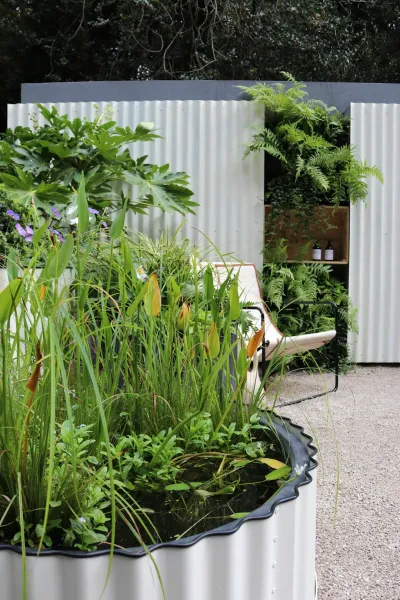
Creating a vertical garden is not just a trendy way to enhance your living space; it’s also a sustainable and efficient way to grow your herbs, vegetables, and decorative plants indoors. By repurposing pallets, you can create a stunning focal point while doing your part to reduce waste and promote eco-friendly gardening. This project is perfect for those looking to bring a touch of nature indoors, especially if you're short on traditional gardening space. In addition, incorporating a smart irrigation system allows you to care for your plants with minimal effort and time commitment, making gardening accessible even for the busiest among us.
If you’ve been considering a home project that is both functional and visually appealing, look no further. Not only does an indoor vertical garden beautify your space, but it also provides fresh produce, improves air quality, and cultivates a calming atmosphere. This project is designed for beginners, meaning you don’t need any prior gardening or DIY experience to get started. With a little time and creativity, you can turn repurposed pallets into a thriving indoor garden that flourishes with life.
---
Tools Needed
1. Saw (Hand or Power): Essential for cutting the wooden pallets to your desired size. A handsaw works well for smaller cuts, while a power saw can make the job faster and easier.
2. Drill and Drill Bits: Needed to create drainage holes and attach the smart irrigation system. A cordless drill is the most versatile tool for quick, efficient work.
3. Screwdriver: Useful for securing various components of the vertical garden and building the irrigation system.
4. Measuring Tape: Helps ensure accurate measurements of your pallets and the surrounding space you plan to use.
5. Safety Glasses: Protect your eyes when using power tools. It’s important to prioritize safety during any DIY project.
6. Work Gloves: Helps protect your hands from splinters and burns during the cutting and assembly processes.
7. Level: Ensures that your vertical garden is properly aligned for aesthetic appeal and functionality.
8. Watering Can or Hose: Initially useful for soaking your plants before you transition to the smart irrigation system.
---
Materials
1. Wooden Pallets (2-3): Search for heat-treated pallets that are safe for indoor use. These will serve as the framework for your vertical garden.
2. Landscape Fabric (1-2 yards): Used to line the pallet sections to hold soil and keep it from draining out of the sides.
3. Soil Mix (2-3 bags, depending on pallet size): Opt for an organic potting mix suitable for indoor plants.
4. Plant Selection (5-15 plants): Consider herbs like basil, mint, and rosemary or small vegetables like cherry tomatoes. The number of plants depends on the size of your pallets.
5. PVC Pipes (optional): To create a more sophisticated irrigation system.
6. Water Pump: Needed for the smart irrigation system to disperse water continuously or on a timer.
7. Smart Irrigation System: Choose a system that suits your garden size, such as a drip irrigation kit or a timer device.
8. Wood Screws (1 box): To secure your pallets and other components together.
9. Wood Stain or Sealant (optional): Used for finishing the pallets to enhance their look and protect them from moisture damage.
10. Metal Brackets or Straps (optional, 2-4): These can provide additional support for your vertical garden when mounted.
---
Introduction
The idea of creating an indoor vertical garden using repurposed pallets is not just about aesthetics; it's like bringing a little piece of the outdoors into your everyday life, no matter how limited your space may be. Vertical gardening is a space-saving solution that maximizes your planting area while minimizing your footprint. It's particularly ideal for urban dwellers living in small apartments, as it allows you to cultivate greenery where traditional gardening methods aren't feasible.
Moreover, vertical gardens can be both productive and therapeutic. The act of caring for your plants can significantly enhance mental well-being, reduce stress levels, and create a sense of accomplishment. Furthermore, having fresh herbs and vegetables at your fingertips transforms your cooking experience while also encouraging healthier eating habits.
The project requires minimal skills, making it suitable for beginners. As you embark on this journey, you’ll learn valuable DIY skills like working with wood, basic irrigation knowledge, and plant care techniques. While it may take some time and effort, the rewards—a breathtaking indoor garden and the joy of growing your own food—make this project incredibly worthwhile.
---
Steps to Create Your Indoor Vertical Garden
# ### 1. Gather Inspiration and Plan
What you envision your garden to look like is crucial in this first step. Browse through home-gardening websites, Pinterest boards, or even nature magazines to find inspiration. Consider how the vertical space will fit into your indoor area, the type of plants you wish to grow, and their lighting requirements.
- Tip: Create a mood board with colors, plant types, and styles that guide you in your design.
- Safety: Maintain distance from the area where you’ll be using tools, ensuring pets and children are safe.
# ### 2. Select Your Pallets
Not all pallets are created equal. Look for heat-treated wooden pallets, as they are less likely to harbor pests and chemicals. Ensure the pallets are free of damage, splinters, and mold.
- How: Check for the manufacturer's stamp, usually located on one of the sides, which indicates how the pallet was treated.
- Tip: Don’t hesitate to ask local businesses if you can take some of their pallets. They often have extras that they would like to dispose of.
# ### 3. Prepare Your Pallets
Once you have your pallets, you might need to do some preliminary preparation. Start by cleaning them with soap and water to remove any dirt or residues. After your pallets dry, execute any necessary cuts based on your design.
- How: Use your saw to cut the pallets down to size, making them easier to manage and fitting better into your chosen space.
- Safety: Make sure to wear your safety glasses and gloves while cutting to avoid injury.
# ### 4. Line Your Pallet
To ensure that the soil stays contained while allowing for excess water drainage, line the interior with landscape fabric. This fabric will act as a barrier that keeps the soil in while allowing water to escape, protecting your home from water damage.
- How: Cut the landscape fabric to size and secure it to the inside of the pallet using a staple gun or thumbtacks.
- Tip: Leave enough fabric at the top so you can fold it over the edges, creating a sturdy barrier.
# ### 5. Attach the Irrigation System
Integrating a smart irrigation system can significantly ease your plant care routine. Depending on your choice, a drip system can deliver water directly to the plants without over-saturating the soil.
- How: Follow the manufacturer's instructions for your drip irrigation kit, placing the tubing within the pallet where you’ll place your plants. If you are creating your own administrative system using PVC pipes, ensure that they are cut and joined to effectively reach all areas of your pallet.
- Safety: Ensure your water pump is compatible with your irrigation system to prevent any electrical mishaps.
# ### 6. Fill with Soil and Plant
Now comes the fun part: filling your pallets with the soil mix and planting your chosen herbs and vegetables. You can plant directly in the landscaped fabric, ensuring there's enough soil to support healthy root growth.
- How: Fill the cavity of your pallet with the soil mix sufficiently, leaving about an inch of space at the top for watering.
- Tip: Gently press down as you fill to eliminate air pockets. Plant your seedlings according to their specific depth and spacing requirements.
# ### 7. Install and Secure the Vertical Garden
Once your pallets are ready for mounting, decide where you want to showcase your vertical garden. You can attach it to a wall or set it up as a freestanding unit.
- How: Use screws or brackets to secure the pallet to the wall. Level the pallets to ensure they aren't tilted, which can affect irrigation.
- Tip: If you use multiple pallets, stagger their positioning for a more aesthetic layout.
# ### 8. Configure Your Smart Irrigation
At this stage, ensure your smart irrigation system is set up correctly. This might involve programming a watering schedule or adjusting drip rates as per your plant requirements.
- How: Consult your irrigation system's manual for setup instructions. Ensure your delivery system is functioning correctly, and check for any leaks.
- Tip: Regularly monitor soil moisture levels to adjust your watering schedule effectively.
# ### 9. Monitor and Maintain Your Vertical Garden
The journey doesn’t end once your garden is set up. Consistently monitor the growth of your plants and their watering needs to ensure they thrive.
- How: Observe the health of the plants and pay attention to factors such as wilting or yellowing leaves, which indicate they might need more or less water.
- Tip: Rotate your plants occasionally to ensure even light exposure and growth.
# ### 10. Enjoy Your Indoor Oasis
Finally, step back and enjoy the fruits of your labor! An indoor vertical garden can be a beautiful addition to your space and offers you a sense of fulfillment.
- How: Regularly harvest your herbs and vegetables to encourage new growth and enjoy using them in your meals.
- Tip: Take photos of your plants' growth for motivation and to share your vertical garden’s journey with friends and family.
Troubleshooting Your Indoor Vertical Garden
1. Plants Wilting Despite Adequate Watering: If your plants appear wilted, they may be getting too much water. Check the drainage system and adjust the drip rate.
2. Mold or Fungal Growth in Soil: This could be due to overwatering or low air circulation. Ensure your plants are not sitting in excess water and consider adding a fan for improved airflow.
3. Pests Infestation: Indoor plants can attract pests. Use a natural insecticidal soap or neem oil to treat your plants. Regularly inspect them for signs of pests.
4. Plants Not Growing: Insufficient light might be the issue. Consider relocating your vertical garden to a brighter spot or invest in grow lights.
5. Irrigation System Malfunctioning: If your smart irrigation system isn't working properly, check for clogs in the tubing and refer to the manufacturer's troubleshooting guide.
---
Conclusion
Creating an indoor vertical garden using repurposed pallets and a smart irrigation system is an immensely rewarding project that combines functionality, sustainability, and beauty. Now, you have not only a stunning greenery display in your home but also the ability to grow fresh herbs and vegetables right at your fingertips. As you become more comfortable with your vertical garden, don’t hesitate to experiment with different plant variations, companion planting, or even expanding your setup.
Regular maintenance and nurturing will keep your indoor garden thriving for months to come. Enjoy the journey of discovering the joy that comes with growing your own plants, and reap the benefits of having a peaceful oasis within your living space.
Unleash your creativity, and remember that the only limitations to your indoor vertical garden ideas are your imagination! Happy gardening!