How to create an eco-friendly vertical garden with repurposed pallets and drip irrigation
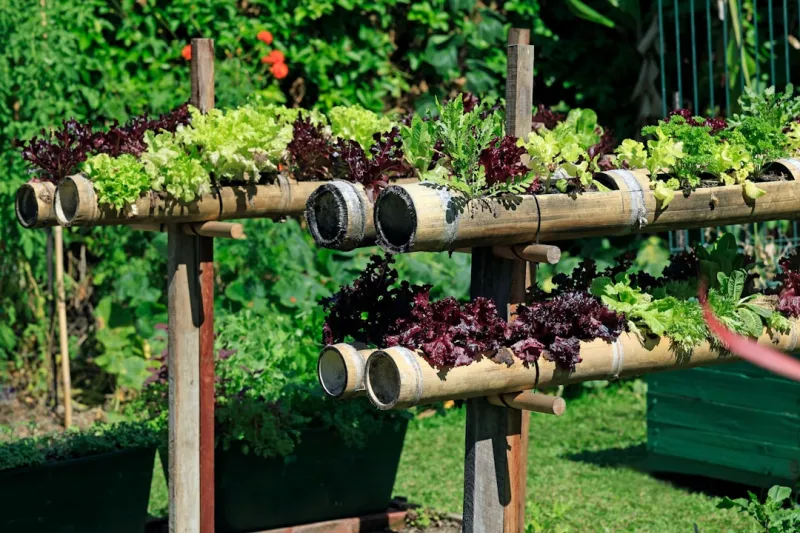
Introduction
As urban sprawl continues and the planet becomes more crowded, the need for sustainable living practices has never been more pressing. One captivating way to combat this issue while adding a touch of greenery to your life is by creating a vertical garden. Not only does this project integrate nature into your home, but it can also serve as a testament to your commitment to eco-friendliness. In this guide, we will explore how to transform repurposed wooden pallets into a stunning vertical garden, along with incorporating a drip irrigation system to ensure your plants thrive with minimal water waste.
Why use repurposed pallets? They are often available at little to no cost from local businesses, making them an affordable yet sustainable material choice. By opting for used pallets, you are actively reducing waste while contributing to a circular economy. You will not only beautify your space but also engage in a meaningful act of environmental stewardship.
Creating an eco-friendly vertical garden is suitable for beginners, as it combines creativity with basic construction skills. However, the process does require attention to detail and safety awareness. In the steps that follow, we will detail what tools and materials you will need, guide you through each stage of the construction process, and offer solutions to common problems you might encounter.
Tools Needed
- Safety goggles: Protect your eyes from dust and flying debris while working with power tools.
- Work gloves: Keep your hands safe from splinters and sharp edges commonly found on pallets.
- Hammer: Essential for driving nails and assembling your pallet garden.
- Screwdriver: Useful for screws and assembly; a power screwdriver can expedite the process.
- Saw: Required for cutting pallets to your desired size; a hand saw or reciprocating saw will work.
- Drill: This is crucial for prepping your pallets for the irrigation system and ensuring easy access for plant roots.
- Measuring tape: Accurate measurements will help ensure your vertical garden fits your designated space.
- Level: Confirm that your vertical garden is straight, which is important for both aesthetics and functionality.
Materials
- Wooden pallets (2-3): Usually available for free or at a low cost; select those that are still in good condition.
- Landscape fabric (1 roll): To line the inside of the pallet and hold soil while allowing drainage.
- Nails/screws (1 pack): Use galvanized nails or screws to ensure durability against the elements.
- Soil (1-2 bags): Quality potting soil or garden soil; enough to fill the areas between the slats in the pallets.
- Plants (4-8, depending on size): Choose herbs, vegetables, or decorative plants according to your preference and climate zone.
- Drip irrigation kit: Usually comes with tubing, emitters, and connectors to set up an efficient watering system.
- Reservoir (1): A container to hold water for the drip irrigation system; can be a bucket or a repurposed tank.
- Wood sealant or paint (optional): Use to protect the wood from the elements if you want additional longevity or aesthetic options.
Step-by-Step Instructions
Step 1: Selecting Your Pallets
What: Begin by sourcing the right wooden pallets for your project.
How: Look for pallets that are intact with no broken slats. Ideally, they should be made of untreated wood to keep your plants safe from chemicals. Inspect each pallet carefully, ensuring that there is no mold or rot.
Tips: Check with local supermarket stores and warehouses as they often have excess pallets they’re willing to give away. Always consider safety first; avoid pallets stamped “MB” as they are treated with Methyl Bromide, a harmful pesticide.
Safety: Wear gloves when handling pallets to avoid splinters and sharp edges.
Step 2: Preparing the Pallets
What: Clean and prepare the pallets for planting.
How: Use a scrub brush to remove dirt and debris from the pallets. If desired, sand down rough edges to prevent injury when planting.
Tips: Disinfect the pallet with a vinegar-water solution (1:1) to eliminate any remaining bacteria that could harm your plants.
Safety: Ensure you’re in a well-ventilated area if using a sealant and wear a mask to avoid inhaling particles.
Step 3: Laying Down the Landscape Fabric
What: This step will create a barrier that holds soil while allowing drainage.
How: Lay the landscape fabric over the back and bottom of the pallet. Using a staple gun or nails, secure the fabric tightly to each slat. Make sure to leave excess fabric hanging over the bottom edge for easy plant access.
Tips: Use a heavy-duty fabric as it will last longer and provide better drainage. Cut the fabric to fit your pallet if necessary, allowing for about 12 inches on the bottom.
Safety: Be cautious when using a staple gun to avoid injury; always point it away from you.
Step 4: Filling the Pallet with Soil
What: Now that your pallet is lined, it’s ready to be filled with soil.
How: Use your potting soil to fill each compartment of the pallet through the landscape fabric. Make sure to pack the soil lightly to avoid excess compaction while still providing a platform for roots.
Tips: Opt for a soil mix that retains moisture, particularly if you’re in a dry climate. Consider adding slow-release fertilizer to provide extra nutrients for your plants.
Safety: Keep soil off your skin if you have open cuts or wear gloves to minimize exposure.
Step 5: Planting the Vegetables or Flowers
What: It’s time to choose and plant your herbs, vegetables, or decorative plants.
How: Start by removing the plants from their nursery pots. Dig a small hole in the soil and place the root ball in, then cover and firm the soil around it. Repeat this for each plant, ensuring they’re not overcrowded.
Tips: Consider companion planting principles; for example, plant basil alongside tomatoes, as they grow well together.
Safety: Double-check the plants for insects or pests before planting them in your vertical garden to prevent a potential infestation.
Step 6: Installing the Drip Irrigation System
What: Setting up a drip irrigation system ensures your plants get adequate water without wasting resources.
How: Follow the instructions included in your drip irrigation kit. Typically, you will connect flexible tubing to your water reservoir with emitters positioned over each plant. Make sure to cut the tubing to size and secure the emitters.
Tips: Use a timer for the system to automate watering; this will help avoid overwatering. Always check local regulations to ensure compliance when installing the system.
Safety: Ensure the water source is safe before running the system; inspect for any leaks after setup to prevent water damage.
Step 7: Securing the Vertical Garden
What: It’s essential to ensure your vertical garden is stable and won’t topple over.
How: Lean the pallet against a wall or fence or anchor it to the ground with stakes. If using multiple pallets, place them together in a compact system for stability.
Tips: For added security, consider joining multiple pallets together using screws to create a more substantial base.
Safety: Make sure the secured structure is stable before planting. Always double-check that it’s safe to touch; loose parts can pose injury risks.
Step 8: Maintenance and Monitoring
What: The work doesn’t stop once your vertical garden is complete.
How: Regularly check your plants for signs of disease or pests and monitor your irrigation system to ensure it’s functioning correctly. Prune as needed and harvest your plants when ready.
Tips: Mark your calendar for watering and fertilization reminders. Regularly rotating your plants can also maintain soil health.
Safety: Always wear gloves when handling plants to avoid skin irritation and wash hands after gardening.
Troubleshooting
Even the best projects can encounter hiccups along the way. Here are common issues you might face with fixes:
- Overwatered Plants: If your plants are wilting or yellowing, they may be receiving too much water. Check your irrigation system and adjust the emitters to reduce water flow.
- Insufficient Sunlight: If your plants aren’t thriving, consider relocating the vertical garden or pruning back surrounding plants that may cast shade.
- Pest Infestation: Sprays for common pests like aphids can help, but introducing beneficial insects such as ladybugs can provide a natural solution.
- Soil Drainage Issues: If the soil isn’t draining well, consider adding perlite to improve aeration or make drainage holes in the pallet for excess water flow.
- Palett Rot or Wear: If you see signs of rot, remove and replace affected boards promptly. As a preventive measure, consider using a wood sealant on new pallets before planting.
Conclusion
Creating an eco-friendly vertical garden with repurposed pallets and drip irrigation isn’t just a project; it’s a lifestyle shift towards sustainability and eco-friendliness. This endeavor enriches your living space, promotes greenery, and reduces waste through repurposed materials. You’ve transformed materials destined for the landfill into a vibrant garden teeming with life.
Remember that vertical gardens can vary widely in their constructions—experiment with different layouts, incorporate other materials, or even introduce a small seating area for enjoying your green space! Maintenance is essential; keep an eye on plant health and adjust your irrigation system as needed.
As we celebrate our bond with nature, this vertical garden will stand as a reminder of our capability to benevolently interact with our environment.