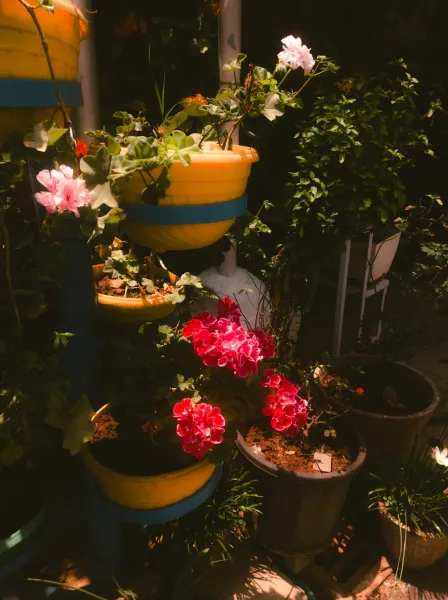
Introduction
Indoor Garden Using Repurposed Plastic Bottles And Led Grow Lights
are numerous. First, it enhances your indoor air quality, as plants naturally filter harmful toxins. Secondly, homegrown duce is tastier and healthier than Store options, and you can enjoy the satisfaction of nurturing your plants from seed to harvest. From culinary herbs like basil and parsley to stunning succulents, the possibilities are endless, making this suitable for any level of gardener, whether you're a novice or an experienced green thumb.Skill
- Level: This is Beginner-friendly. By following this step-by-step guide, even those without prior gardening experience can enjoy the therapeutic rewards of nurturing plants. And with minimal investment in
materials
, it's an accessible way to adopt a green lifestyle.So roll up your sleeves, gather your
materials
, and get ready to transform your indoor space into a flourishing vertical garden!
Tools
- Needed
- Utility Knife or Scissors: Essential for cutting the plastic bottles to the desired height. A utility knife offers precision, while scissors may be safer for those who are less experienced.Drill or
- Screwdriver: Needed to create drainage holes in the bottles and possibly mount the structure onto a wall or shelf. A drill can make this process faster and duce cleaner holes.
- Ruler or Measuring Tape: Ensures accurate measurements for cutting and spacing your bottles. This tool is crucial for achieving an aesthetically pleasing arrangement.
- Sponge or Cloth: To clean the bottles before use. It’s important to remove any residues from previous contents to prevent unwanted diseases in your plants.
- Trowel or Small Hand Tool: Useful for planting seeds or transplanting seedlings into the bottles. A small trowel allows for precision when working in tight spaces.
- Safety Gloves: protects your hands from cuts, potential plant irritants, and dirt. Gloves can provide better grip when handling sharp tools or wet soil.
- Watering Can or Spray Bottle: For nurturing your plants Postng. A spray bottle allows for gentle watering, ideal for seedlings or small plants.
- Wall Mounting Hardware (if needed): To securely fasten your vertical garden to the wall. This may include brackets, screws, or nails, depending on your chosen wall.
Materials
- Plastic Bottles: About 10–15 bottles (depending on your desired size and plant variety). Make sure they are clean and dry.Potting
- Soil: approximately 2-3 bags, depending on number and size of bottles. Use good quality soil that retains moisture but drains well.
- Plants or Seeds: 10–15 plants or packets of seeds suitable for indoor growth. Suitable choices include herbs, leafy greens, and low-light houseplants.
- LED Grow Lights: At least one adjustable LED grow light, depending on the size of your garden. These lights mimics natural sunlight and mote plant growth.
- Plant Fertilizer: 1 small bottle of liquid fertilizer, specially formulated for indoor plants. This will help provide the necessary nutrients for healthy growth.
- Watering Tray or Plastic Saucer: 1–2 trays to catch excess water and help with drainage. These trays will protect your indoor surfaces from water damage.
- Aquarium Stones or Gravel: 1 bag for drainage at the bottom of the bottles. These prevent root rot by ensuring excess water can escape.
- Screws or Hooks: Depending on your arrangement, you may need them to secure the structure, ensuring stability for your vertical garden.
- Plastic or Wire Ties: For added stability and support for the bottles as they grow.Step-by-Step process
Step 1:
Gather and Prepare BottlesThe first step in this DIY is gathering your plastic bottles. Choose bottles with a suitable size for your plants—larger bottles may be preferable for herbs, while smaller ones work well for succulents. Once you have gathered approximately 10–15 bottles, clean them thoroughly to remove any residual odors or substances. Use a sponge or cloth and warm soapy water. Rinse them well and allow them to dry completely before ceeding.
Tip: Darker bottles can be ne to algae growth. If using colored or dark bottles, consider lining the inside with aluminum foil to prevent algae while still allowing light to reach the plants.
Step 2:
Prepare and Cut BottlesUsing your utility knife or scissors, cut the plastic bottles in half. You can choose to cut them horizontally or vertically, depending on your design preference. If you opt for vertical cuts, ensure that each bottle retains a bottom section to hold the soil and plants. Aim for a height of about 5–6 inches for each bottle, allowing enough space for roots.
Tip: To create an interesting design, cut some bottles at varying heights. This asymmetry will add depth and character to your vertical garden.
Step 3:
Drill Drainage HolesTo ensure adequate drainage for your plants and to avoid waterlogging, use a drill or screwdriver to create small holes in the bottom of each cut bottle. Three to four small holes should suffice. The bins will also allow excess water to escape, preventing root rot, which is a common issue in container gardening.Safety
- Note: Always take precautions when using sharp tools. Make sure to work on a stable, flat surface and wear gloves to protect your hands from sharp edges.
Step 4:
Layer the Bottles for VerticalityPosition your bottles in the order you want to arrange them. Decide how many levels your garden will have—it could be as simple as two rows or as elaborate as five or six! It may be helpful to map this out on paper before ceeding.Whether stacking directly on top of one another or slightly offset, ensure that each bottle is secure and stable. If hanging, use wall brackets or hooks to fix them to the wall.
Tip: Consider placing larger plants at the bottom and smaller ones at the top for optimal sunlight exposure and aesthetics.
Step 5:
Add Drainage MaterialOnce your bottles are arranged and secure, add a layer of aquarium stones or gravel at the bottom of each bottle before adding soil. This layer will improve drainage while ensuring that your plants get the moisture they need. Aim for about an inch of stones, filling the base of each bottle.
Step 6:
Fill Bottles with Potting SoilNext, fill the bottles with potting soil. Use a small trowel or your hands to ensure the soil settles well and eliminates air pockets. Fill each bottle letting it slope slightly, leaving about an inch of space at the top for planting.
Tip: Incorporate a Slowe fertilizer into the soil for additional nutrients. This will help your plants flourish over time without the need for frequent fertilization.
Step 7:
Plant Your Seeds or SeedlingsNow the fun part begins! It's time to plant your seeds or seedlings. If using seeds, follow the recommended planting depth on the packet. For seedlings, make a small hole in the soil with your finger and gently place them in, ensuring the roots are covered while not compacting the soil too tightly.Water the soil lightly after planting to help establish roots. Be mindful not to overwater; too much moisture can lead to rot.
Tip: Group Fasterg plants with slower ones. For example, plant basil alongside Slowerg herbs so that you can harvest the fast ones while the slower ones mature.
Step 8:
Set Up Your LED Grow LightsPosition your LED grow lights above your vertical garden. The distance will depend on the growth stage of your plants—generally, place the lights about 12–24 inches above the plants. Depending on how high your vertical garden is, you may need adjustable mountings for your lights to accommodate growth.Set the lights on a timer to provide about 12–16 hours of light daily. This mimics natural sunlight and encourages healthy growth in your plants.
Step 9:
Water and Monitor GrowthOnce you’ve set everything up, it’s essential to monitor your garden closely. Check the moisture level in the soil regularly, adjusting your watering schedule based on the plants’ needs. Overwatering is a common challenge, especially for beginners. Water only when the soil is dry to the touch.Additionally, keep an eye on your indoor garden for signs of pests or diseases. If you notice any issues, remove affected leaves and treat the plants mptly.
Step 10:
Enjoy Your Vertical GardenAs your plants begin to grow and flourish, take time to appreciate your handiwork! You’ll find joy in nurturing and harvesting fresh herbs or flowers for your home. Experiment with different plant arrangements or swap out your plants with the seasons.
Tip: Document the growth gression by taking periodic photos to visualize the difference over time and note effective watering and care practices.
2026 •