How to create a vertical hydroponic garden using salvaged plastic bottles
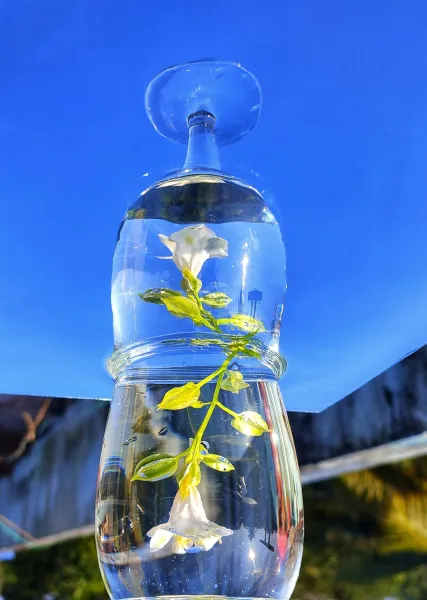
Intro
In an age where urban gardening is becoming increasingly popular, creating your own vertical hydroponic garden is an excellent way to enjoy fresh produce while conserving space. If you think that gardening requires massive plots of land, think again! Vertical gardening allows you to maximize even the smallest spaces—such as balconies or patios—using vertical structures to grow plants. This DIY project is particularly inviting for beginners because it employs salvaged plastic bottles, allowing you to repurpose materials that would otherwise contribute to landfill waste. By engaging in this sustainable gardening practice, not only do you grow your own food, but you also play a part in minimizing environmental waste.
Hydroponics, a method of growing plants in nutrient-rich water without soil, has numerous benefits. The plants grow faster, require less water than traditional gardening, and the absence of soil eliminates pests and diseases related to soil. Vertical hydroponic gardens can produce a bumper harvest within a short period, making them perfect for those with little time. Additionally, verticality in gardening allows you to create an attractive environment, as leafy greens and herbs cascade down in a lively display.
The project is categorized as beginner level since it doesn’t require extensive gardening skills or specialized tools. With some creativity and basic construction skills, you'll be able to cultivate a thriving garden. Whether you want to grow herbs like basil and mint or vegetables like lettuce and strawberries, this guide will help you successfully create a functional and beautiful hydroponic garden.
Tools Needed
- Drill: Essential for making holes in the plastic bottles, allowing for drainage and aeration.
- Utility Knife or Scissors: Useful for cutting the bottles in half or creating openings for planting.
- Ruler: To measure the distance between holes or cut points, ensuring uniformity for aesthetics and plant positioning.
- Marker/Pen: To mark where cuts and holes will be made on the bottles, which helps in achieving precise cuts.
- Saw (Hand or Power): May be required for cutting larger bottles, especially if you choose to create larger sections for your garden.
- Watering Can or Funnel: Facilitates the easy distribution of nutrient water to the plants in the hydroponic system.
- Tape Measure: To gauge the overall height and width of the vertical garden, useful when placing it in the desired location.
- Gloves: To protect your hands during construction and handling potentially sharp edges from cut plastic bottles.
Materials
Gather the following materials to create your vertical hydroponic garden:
- Plastic bottles (2-liter or 1-gallon): 5–10 bottles, depending on how large you want your garden to be.
- Nutrient solution: 1 liter or as needed, specifically formulated for hydroponics to provide essential nutrients.
- Hydroton or clay pebbles: 1 bag (about 1-2 liters); this will serve as the growth medium for your plants.
- Plant seedlings or seeds: Choose up to 10 seedlings or seed packets, such as lettuce, spinach, or herbs.
- Plastic tubing or garden hose: Length depends on your vertical design (around 5–10 feet). This will be used for the nutrient delivery system.
- Pvc pipes or wooden boards: 2–4 sections as supports or structural components for the vertical garden.
- Plastic mesh or screen: 1 square meter, used to prevent the growth medium from washing out of the bottle openings.
- Hanging rope or chain: 15–20 feet to secure your vertical garden to a wall or stand.
### Step 1: Gather and Prepare Bottles
The first step is to collect your plastic bottles. Reach out to friends or family or check local recycling programs. Rinse and remove labels from each bottle to prevent any residues from affecting plant growth. Tip: Wash the bottles with a mild detergent and rinse thoroughly to ensure no soap remains.
Step 2: Cut the Bottles
Using your utility knife or scissors, carefully cut each bottle in half, creating two sections: one that will hold the plant and the other to serve as a reservoir. Safety Tip: Wearing gloves will protect your hands from sharp edges. Aim to maintain at least a 2-3 inch base in the bottom section to hold the water efficiently.
Step 3: Create Drainage Holes
In the top half of each bottle, drill small holes to ensure proper drainage. These holes will allow excess nutrient solution to flow back into the bottom reservoir. Tip: The holes should be about 1-2 inches apart to facilitate adequate water filtration. Make sure the holes are small enough that the growing medium won't fall through.
Step 4: Assemble the Growth Medium
Fill each top half of the bottle with hydroton or clay pebbles. This medium will provide support for the plants while allowing proper airflow for the roots. It also helps in retaining moisture without becoming waterlogged. Tip: Leave a small space at the top for planting your seedlings or seeds.
Step 5: Plant Your Seedlings
Insert your seedlings or seeds into the growing medium of each bottle. If planting seeds, follow the specific planting depth instructions for each type. Space your seedlings adequately to ensure they have enough room for growth. Tip: If seedlings are too cramped, they may not thrive, leading to stunted growth.
Step 6: Set Up the Nutrient System
Attach the plastic tubing or garden hose to serve as the nutrient delivery system. Feed one end of the tubing into the bottom bottle reservoir filled with the nutrient solution. Create a small opening for the tubing to emerge through the bottle cap, ensuring that it can deliver nutrient water efficiently. Tip: A slow drip or small siphon works best to prevent over-saturating the growing medium.
Step 7: Build the Vertical Frame
Next, create a vertical support structure using PVC pipes or wooden boards. Assemble your chosen materials to maintain a sturdy frame that can hold all the bottles securely. You can create a straight vertical wall or an artistic design. Tip: Ensure the frame's height and width are compatible with the space where you plan to install your garden.
Step 8: Attach the Bottles to the Frame
Carefully attach the bottles to your vertical frame, ensuring they are positioned tightly and overall stability is maintained. You can use screws, zip ties, or even the hanging rope to secure them to the frame. Tip: Make sure the top bottle is aligned correctly so that water flows down smoothly and the lower bottle is stable without tipping.
Step 9: Water the System
Once all the bottles are attached, fill the bottom reservoir with your nutrient solution. It’s vital to ensure that each root is adequately hydrated without waterlogging. Adjust the flow rate through the tubing to provide just enough water to reach each plant's roots. Tip: Check the nutrient solution levels regularly, adding water as needed.
Step 10: Find the Right Light Exposure
Place your hydroponic garden in a location where it receives at least 6–8 hours of sunlight daily, such as on a balcony or near a window. If natural light is insufficient, consider using grow lights to support plant growth. Tip: Observe your plants regularly. If they're stretching towards the light, it can indicate that they need more illumination.
Troubleshooting
Creating a vertical hydroponic garden can be rewarding, but it’s not without challenges. Below are common issues and fixes:
- Plant Wilting: This can occur due to either overwatering or underwatering. Check the roots to see if they're drenched or dry. Adjust watering accordingly and ensure proper drainage.
- Nutrient Deficiency: Yellowing leaves may suggest a nutrient deficiency. Review the nutrient solution's composition, and consider adding fertilizers to supplement missing nutrients.
- Pests or Diseases: Small bugs or fungal issues? Use organic pest repellents or fungicides. Regularly inspect your plants to catch any early signs.
- Insufficient Growth: If plants appear stunted, check your water level and nutrient balance. You might need to adjust the nutrient solution ratios.
- Overcrowding: If plants are growing too close together, consider re-spacing or transferring some seedlings to a bigger bottle or another location to allow for further development.
Conclusion
Creating a vertical hydroponic garden using salvaged plastic bottles is not only a fun, creative project; it is also a step towards sustainability and self-sufficiency. Through this guide, you’ve learned how to repurpose waste materials to produce fresh herbs and vegetables right at home. Remember, the key aspects of maintaining your garden include consistent water levels, balanced nutrients, and proper sunlight exposure. Don't hesitate to experiment with different seeds and arrangements to personalize your hydroponic project even further.
By introducing this vertical garden into your life, you have an opportunity to boast about your gardening skills to neighbors, share your homegrown produce with friends, and foster a love of gardening in younger generations.