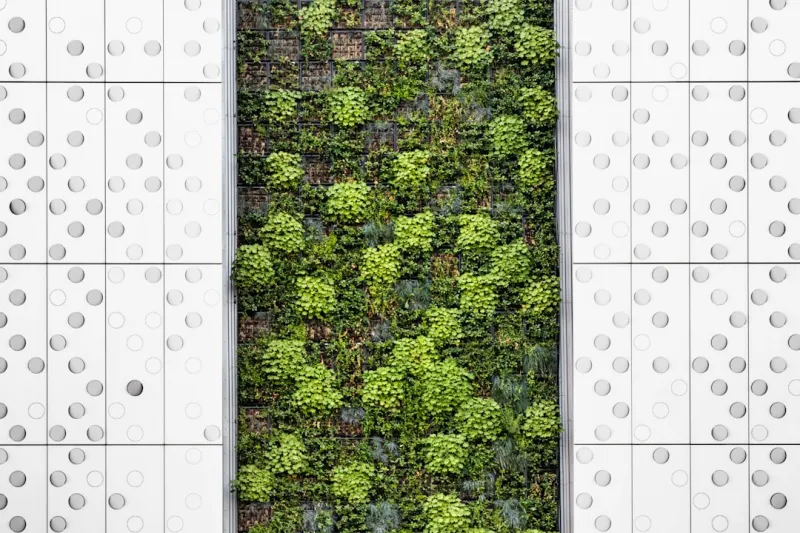
How to create a vertical garden with repurposed soda bottles and natural moss
Setup & Materials
By Alex • November 14, 2025 • DIY Guide
Creating a vertical garden is an eco-friendly and aesthetically pleasing way to bring nature into your home or garden. Not only does this project enable you to repurpose materials you might otherwise throw away, but it also promotes sustainability, creativity, and a connection to nature. Using repurposed soda bottles in combination with natural moss provides a unique gardening experience that is accessible to beginners. Vertical gardens can be placed on walls, balconies, or patios, making them ideal for small spaces.
Why This Project?
By creating a vertical garden, you're not just beautifying your surroundings; you're also contributing to environmental sustainability by reusing plastic materials that would otherwise contribute to global waste problems. Reusing soda bottles not only helps reduce plastic waste but can also give you the satisfaction of crafting something useful from what would typically be discarded.
Additionally, introducing moss into your vertical garden can help in maintaining humidity and provide a lush, green appearance. Moss is hardy and requires minimal maintenance, making it an excellent choice for beginners. This project is perfect for those who may have limited gardening experience or space to work with yet seek a rewarding and productive endeavor.
Benefits of a Vertical Garden
1. Space Efficiency: Vertical gardens utilize vertical space, allowing you to garden even in small areas. This makes it ideal for apartment balconies or small yards. 2. Air Quality Improvement: Plants naturally filter air pollutants and can help improve indoor and outdoor air quality. 3. Aesthetic Appeal: A vertical garden adds color and life to any space and can serve as a stunning focal point. 4. Cost-Effective: Utilizing repurposed materials like soda bottles reduces project costs while helping the environment.
Skill Level
This project is categorized as beginner-friendly, requiring no advanced gardening skills or special tools. With a little patience and creativity, anyone can create a stunning vertical garden using soda bottles and moss.
Tools Needed
Utility Knife or Scissors: Used for cutting soda bottles to create planting pockets. A utility knife can achieve cleaner cuts, but scissors are more manageable for beginners.
Final Result
Drill or Screwdriver: Necessary for creating drainage holes if you want to ensure proper water flow. A drill makes this task easier but can be substituted with a screwdriver for smaller holes.
Ruler or Measuring Tape: Essential for measuring out sections on your soda bottles to maintain consistency when cutting and spacing.
Marker or Pencil: Used for marking cutting lines on the bottles. This ensures precision and helps in making aesthetically pleasing cuts.
Gardening Gloves: Protect your hands during the project, especially while handling soil, moss, and other materials. Keeping yourself clean and safe is essential.
Watering Can or Spray Bottle: Required for watering your moss and ensuring adequate moisture. A fine mist from a spray bottle can prevent overwatering.
String or Wire (optional): If you wish to hang your vertical garden, using string or wire can provide additional stability.
Hanging Hooks (if mounting): Required if you plan to mount your vertical garden to a wall. These will support the weight of the garden once it's filled with soil and plants.
Materials
Soda Bottles: Approximately 10–15, depending on the desired size of your vertical garden. A mix of 2-liter and 12-ounce bottles can provide variety.
Natural Moss: About 1 bag (covering approximately 4 square feet). Live moss is recommended for a vibrant garden.
Potting Soil: 1 bag (about 1 cubic foot). A quality blend will give your plants enough nutrients to thrive.
Activated Charcoal (optional): About 1 cup. This helps with drainage and absorbs toxins, enhancing growth conditions.
Slow-release Fertilizer: 1 small pack. It will provide essential nutrients for your plants over time.
Decorative Stones or Gravel: 1 bag (for drainage). This will be added to the bottom of your bottles to improve drainage and prevent root rot.
Plants of Choice: 10-15 small plants (such as herbs, succulents, or shade-tolerant plants). Choose plants based on your growing environment.
Landscape Fabric (optional): 1 square yard. This can help retain soil while allowing drainage. It's not required but can be beneficial.
Plastic or Rubber Bands: 1 pack. Useful for securing some plants or moss in place as they start to grow.
Spray Bottle: For misting the moss and plants.
Steps to Create Your Vertical Garden
Step 1: Gather Your Materials and Tools
Before you start crafting your vertical garden, make sure to gather all your supplies and tools in one workspace. Having everything on hand reduces stress and ensures a smooth workflow. Once assembled, you can proceed to prepare your soda bottles, which will serve as the foundation for your garden.
Step 2: Prepare the Soda Bottles
What: You will repurpose your soda bottles into planters. Starting with clean bottles prevents any contaminants from affecting plant growth.
How: Using your utility knife or scissors, cut each soda bottle vertically, leaving about an inch uncut at the base to create a flap that can hinge open, forming a planting pocket. Make about three to four holes near the bottom (for drainage) and consider cutting slits into the covering flap for easy access.
Tips: Clean the bottles thoroughly before use and label them if you plan to grow different types of plants in each. Be careful when handling sharp tools; it’s wise to wear protective gloves during this process.
Step 3: Create Drainage Layers
What: This step is crucial; without proper drainage, your plants can suffer from overwatering, leading to root rot.
How: Start by adding a layer of decorative stones or gravel at the bottom of each bottle. Then, if you've chosen to use activated charcoal, add it on top of the gravel layer. This will help with filtration and keeping the soil healthy.
Tips: Make sure there’s enough space for the soil; roughly one-third of the bottle should be filled with stones and charcoal to facilitate drainage.
Step 4: Add Potting Soil
What: Now, it’s time to prepare the growing medium for your plants.
How: Fill each bottle with potting soil up to the brim while leaving a layer of soil at the top for planting moss. Mix in the slow-release fertilizer according to the instructions on the package.
Tips: Use your hands or a small scoop to carefully pack the soil, ensuring that it is not overly compacted, which can cause water retention and root issues.
Step 5: Select and Add Plants
What: Choose small plants that suit the light conditions of your chosen location.
How: Insert your selected plants into the soil, making sure they are spaced well enough to grow. If using moss, you can add it alongside your plants for an added layer of texture. Consider using herbs, succulents, or any other small plants you're interested in.
Tips: When removing plants from their nursery pots, take care not to damage the roots. If they are tightly packed, gently loosen them before planting.
Step 6: Incorporate Natural Moss
What: This step adds a lush, green aesthetic and helps retain moisture.
How: Tear pieces of your natural moss and place them on top of the soil, effectively covering it. Press the moss down gently to ensure it makes contact with the soil.
Tips: Ensure moss remains moist, especially during the initial phases; mist it with your spray bottle regularly.
Step 7: Prepare for Mounting
What: If you want to hang or mount your vertical garden, this is the right time.
How: Using the drill or screwdriver, create mounting holes at the base of the bottles. If you’re using string or wire, thread it through the holes to create a hanging system. Ensure everything feels secure and able to support the weight of your garden.
Tips: Check the stability of your setup by lifting it as a whole; if it feels wobbly, reinforce the fixing points.
Step 8: Watering and Mist Treatment
What: Proper hydration is critical for the survival and growth of your plants.
How: Use a watering can or spray bottle to lightly mist the moss and plants. Water until the soil feels damp but not saturated. Over-watering can cause moss to decay and roots to rot.
Tips: To gauge the moisture level, stick your finger into the soil an inch deep. If it feels dry, it’s time to water; if it’s moist, wait a little longer.
Step 9: Find an Optimal Location
What: Position your vertical garden to maximize light while ensuring it’s safe from harsh elements.
How: Ideal locations can include sun-drenched walls or slightly shaded patios. Ensure it is not exposed to extreme weather or direct scorching sunlight unless plants are specifically heat-tolerant.
Tips: If this is your first time, observe how much sunlight your plants receive throughout the day, making adjustments as necessary.
Step 10: Maintenance and Monitoring
What: Regular care is essential to ensure your vertical garden thrives over time.
How: You’ll want to periodically check the moisture level, regularly mist your moss, prune any dead leaves, and replace plants as necessary. Monitor for pests and diseases – using organic solutions can help maintain plant health.
Tips: Consider rotating the plants in your vertical garden based on seasonal seasons or to refresh your design. Also, note that different plants may have different moisture and sunlight requirements, so group them accordingly.
Troubleshooting
Even with careful planning, various issues can arise when establishing your vertical garden. Here are some common problems and fixes:
1. Moss Not Thriving: If your moss appears brown and dry, it might have insufficient moisture. Make sure to mist it regularly. Ensure that your garden is not in direct, scorching sunlight.
2. Plants Wilting: This can be a sign of over or under-watering. Check the soil moisture level: if it’s too wet, allow it to dry out; if too dry, a thorough watering is required.
3. Drainage Issues: If water is pooling in your bottles, check to see if your drainage holes are clogged or not properly made. You may need to add more drainage stones or create additional holes.
4. Pests Appearing: Monitor your plants for the sometimes appearance of aphids or spider mites. Use an organic insecticidal soap to treat affected areas and keep an eye on any future infestations.
5. Color Loss in Plants: If plants are losing color or becoming leggy, it’s often due to insufficient light. Move them to a brighter location if needed, or consider changing the plant varieties better suited to lower light conditions.
Conclusion
Creating a vertical garden with repurposed soda bottles and natural moss is not only a rewarding and fun project but also an excellent way to connect with nature while promoting sustainability. By using materials that might typically contribute to waste, you’re making an eco-conscious choice that beautifies your living space.
This project can be tailored to your personal style—experiment with various plants, bottle arrangements, and even paint designs to customize it further. Remember, caring for your vertical garden will build your gardening skills and encourage an appreciation for maintaining a green environment.
Consider variations, such as using wire mesh instead of bottles for a more organic look or adding additional features like twinkling lights for a charming evening display. With minimal maintenance, your vertical garden can flourish for months, bringing joy and beauty into your life.