How to create a vertical garden wall using salvaged pallets and repurposed containers
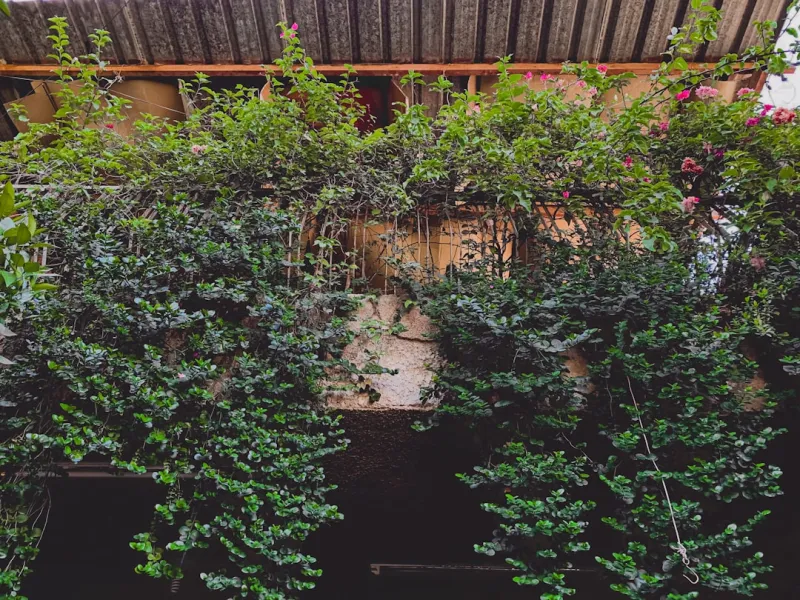
Introduction
Vertical gardens have surged in popularity over the past few years, providing a plethora of benefits beyond aesthetic value. Especially in urban areas where space is at a premium, a vertical garden wall can transform a bland outdoor area, balcony, or even an indoor wall into a lush green space. This DIY project is not only environmentally friendly—it allows you to repurpose old pallets and containers that may otherwise end up in a landfill—but it also serves as a creative outlet.
Skill-wise, this project is accessible to beginners. While some construction and gardening skills are beneficial, detailed instructions will guide you through each step, ensuring you can create a thriving vertical garden wall with minimal experience. The satisfaction you'll feel when watering your plants and watching them flourish makes this project rewarding on many levels.
Along with adding beauty to your environment, vertical gardens improve air quality, encourage biodiversity, and can even provide a source of fresh herbs and vegetables. As they can be designed to fit almost any aesthetic—be it rustic, modern, or bohemian—the design options are nearly limitless. Plus, incorporating your own salvaged materials adds a unique character to your project.
So, roll up your sleeves and let’s dive into creating your very own vertical garden wall using salvaged pallets and repurposed containers!
Tools Needed
1. Screwdriver (manual or electric) - Essential for assembling pallets and securing them together. 2. Saw (hand saw or circular saw) - Used to cut pallets or boards down to the desired size for your vertical wall. 3. Drill with drill bits - Useful for making holes for drainage in containers and securing pallets. 4. Level - Ensures your vertical garden is perfectly vertical, preventing an awkward lean that could lead to plant stress. 5. Measuring tape - Used to measure the dimensions of your garden space and ensure your pallets fit correctly. 6. Paintbrush and weather-resistant sealant - For protecting the wood from the elements if the garden will be outdoors. 7. Work gloves - Protect your hands when working with rough wood and tools. 8. Safety goggles - Crucial for protecting your eyes from dust, debris, and splinters while working.
Materials
1. Salvaged pallets (2–3) - Sourced for free or low-cost, providing the structure for your garden. 2. Weather-resistant containers (6–8) - Repurposed from items like plastic bottles, tin cans, or old pots to hold your plants. 3. Potting soil (2-3 bags) - The medium in which your plants will grow, select a lightweight option for vertical gardens. 4. Plants or seedlings (variety based on your preference) - Choose herbs, small flowers, or succulents to maximize visual interest. 5. Drainage materials (gravel or small rocks, 1 bag) - Placed at the bottom of containers to help water drainage. 6. Landscape fabric or burlap (1 yard) - Used to line the back of your pallets to hold the soil but allow for drainage. 7. Staple gun and staples - For attaching fabric to pallets, ensuring soil retains while allowing excess water to escape. 8. Hanging hardware (hooks, brackets, 1 set) - Needed to securely hang your vertical garden on a wall or fence. 9. Paint or wood stain (optional) - If desired, to give your pallet a finished look and enhance its durability against weather. 10. Fertilizer (optional) - For boosting plant growth, especially if you choose to grow edible plants.
Step-by-Step Guide
Step 1: Gathering Your Materials and Tools
Start by collecting the salvaged pallets and any repurposed containers you want to utilize. Look for pallets that are sturdy, with no major damage or broken slats. Aim for heat-treated pallets, which are safer than chemically treated ones. As you collect containers, ensure they are clean and free of toxins; for example, rinse out old food containers thoroughly. Put all your tools in one area; this organization will save you time and allow for a smoother building process.
Tip: Visit local farms or beverage distributors for free pallets. They are often more than willing to give them away.
Step 2: Preparing Your Pallets
Once you've gathered your materials, it’s critical to inspect and prepare the pallets. Sand down any rough edges or splinters to prevent injury and ensure a smooth finish. If you want your vertical garden to withstand the weather, consider applying a weather-resistant sealant or wood paint. Follow the manufacturer’s instructions for application and drying times.
Safety: Always wear gloves and safety goggles while sanding and sealing to protect against splinters and fumes.
Step 3: Designing Your Vertical Garden Wall
Before getting started with construction, sketch out your design. Decide on the arrangement of the pallets, and if you want them stacked vertically or at an angle. Take into consideration the sunlight exposure of your desired planting area. Also, make sure to account for the types of plants you want to use; some prefer more sunlight while others thrive in shade.
Tip: Consider spacing out the pallets to create more depth in your vertical garden.
Step 4: Constructing the Vertical Garden Frame
Using your screwdriver and drill, secure the pallets together as per your design. This might involve stacking two pallets on top of each other and drilling them directly into a strong base or wall. Make sure the arrangement is level as you go to prevent any structural issues.
Tip: If you’re placing the garden against a wall, you might only need one pallet instead of two, depending on the height and style you are aiming for.
Step 5: Attaching Landscape Fabric
Once your pallets are secured, the next step involves lining the back and sides with landscape fabric or burlap. This material keeps the soil in while allowing for moisture to escape. Use your staple gun to attach the fabric tightly but not too tightly—allow it some room to stretch when filled with soil.
Safety: Make sure to keep your fingers clear of the stapler while applying fabric to avoid injury.
Step 6: Preparing Containers for Planting
While your pallets are being constructed, prepare your containers. If you’re using old bottles or cans, cut them to the desired height while ensuring drainage holes are created at the bottom. Fill them partially with the drainage material (gravel or rocks) and then add potting soil, leaving enough room for your plants.
Tip: Plants in small containers tend to dry out more quickly, so choose moisture-retentive soil, particularly for hanging containers.
Step 7: Planting Your Chosen Flora
With your containers ready, it's time to plant. Carefully remove your plants or seedlings from their nursery containers and loosen any tightly bound roots. Plant them gently into the prepared containers, then fill in around the roots with more potting soil. Water the plants sufficiently to help them settle and provide an initial dose of moisture.
Tip: Group plants that have similar needs (sunlight, water) together in the same container to simplify maintenance.
Step 8: Mounting and Arrangement of Containers
Once your plants are snug in their containers, it’s time to arrange them on your pallet. Use hooks or brackets so they can be easily secured. Start with larger containers at the bottom and work your way up to smaller ones, ensuring they are securely attached to avoid any accidents. You can even stagger them for a more dynamic visual.
Safety: Make sure the fasteners are secure to avoid any containers falling, which could damage plants or lead to injury.
Step 9: Final Touches and Maintenance
Take a step back and admire your work! Add any final touches, perhaps some decorative elements or labels for your plants, and then ensure your vertical garden is adequately watered. Develop a routine for checking moisture levels, as vertical gardens can dry out faster than traditional beds.
Tip: Regularly inspect for pests or diseases, and ensure you are applying fertilizer every few weeks if you are growing edibles.
Step 10: Enjoy and Adapt Your Garden
Now it's time to sit back and enjoy your vertical garden wall! Watch your chosen plants thrive and be ready to adapt as necessary. If you find certain plants doing exceptionally well, consider expanding those areas in your garden.
Tip: Keep a gardening journal! Noting what works and what doesn’t will help you in future planting endeavors and can provide a satisfying record of your gardening journey.
Troubleshooting
Even the best-laid plans can encounter issues. Here are five common problems and their solutions:
1. Plants Wilting Despite Watering:
- Solution: Check for root rot by gently loosening the plant from its container. If it's overly wet with mushy roots, repot with fresh soil and adjust your watering schedule.