Introduction
Garden Wall Using Repurposed Pallets And Mason Jars
5 (70)
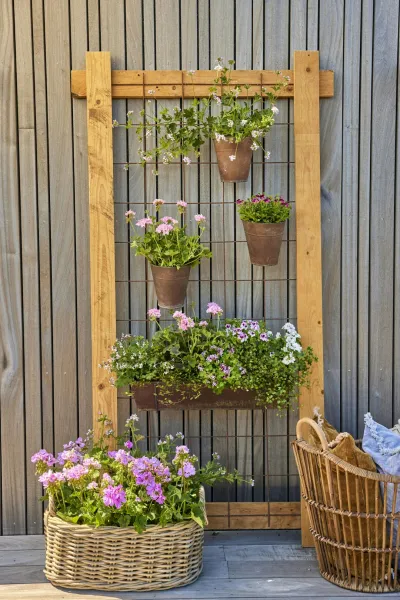
has surged in popularity, allowing homeowners and renters alike to indulge in gardening even without a large backyard. You can cultivate herbs, flowers, and other plants all while incorporating a unique aesthetic aspect to your home or patio.Why this ? A vertical garden wall will not only beautify your living space, but it also enhances air quality, motes mental well-being, and encourages biodiversity by inviting pollinators into your environment. Additionally, using repurposed pallets and mason jars is a creative way to reduce waste—taking
materials
that would otherwise end up in a landfill and giving them a second life. This is approachable for beginners and requires no specialized gardening skills, making it perfect for anyone interested in learning more about gardening, sustainable practices, or DIY .Skill
- Level: This DIY is designed for beginners, as it requires minimal tools and no prior gardening experience. With a little patience and creativity, you can create a stunning vertical garden that will flourish in no time.
Tools Needed
- Screwdriver or Power Drill: For securing the boards and creating holes for the mason jars.Saw: A hand saw or circular saw will help you cut the pallet to your desired height and size.Sandpaper or
- Sander: To smooth out any rough edges on the pallets, ensuring your garden wall is safe to handle.Measuring
- Tape: To accurately measure the dimensions of your pallet and ensure even spacing for the jars.Paintbrush or
- Roller: If you choose to paint or seal your pallet, this tool will help with the application.Wire
- Cutters: Useful for cutting wire when securing the mason jars and plant mesh.Level: Ensures your wall hangs straight, giving it a professional finish.Gloves: protect your hands while working with wood, tools, and soil.
Materials
- Wooden Pallet: One standard-sized pallet (apx. 4' x 4').Mason
- Jars: approximately 12 to 15 quart-sized jars for planting.Potting
- Soil: About 2 bags (1.5 cu ft each) depending on the number of jars.Plants/Seeds: Choose a variety depending on your preferences, aiming for about 12-15 plants.Jute
- Twine or Wire: About 25 feet for securing mason jars to the pallet.Outdoor
- Sealant or Paint: One quart for Weatherproofing the pallet.Landscape
- Fabric or Mesh: 1 yard to support the plants while preventing soil from falling out.Hanging
- Brackets: Two sets for securing the pallet to a wall.Drill
- Bits: If using a power drill, ensure you have bits suitable for both wood and jar modifications.Screws: A box of 1-1.5 inch outdoor screws to secure components together.
Step 1:
Choose Your LocationBefore you start building, select the perfect spot for your vertical garden wall. Ideally, this location should receive at least 6 hours of sunlight a day—a South wall is often the best choice. Ensure your wall has easy access to water and fits the aesthetic of your space. Consider mounting it on a fence, freestanding wall, or even a shed.
Tip: Observe the area throughout the day; areas with too much shade may require different plant choices.
Step 2:
Prepare Your PalletNext, you'll want to prepare your wooden pallet. Start by inspecting it for any splinters or damaged wood. Use sandpaper or a sander to smooth out surfaces, which will prevent injury when handling the pallets later. If you decide to paint or stain, now is the time to do it. Choose an outdoor-safe sealant or wood paint that complements your garden.
Step 3:
Cut the Pallet (If Necessary)Depending on your chosen location and your desired height for the vertical garden, you may want to cut your pallet down to size. Use a saw to make straight cuts across the pallet. Make sure all cuts are clean and smooth—this is important for both safety and aesthetics.
Tip: Measure twice before cutting to avoid making any mistakes.
Step 4:
Drill Holes for Mason JarsThis step involves using a drill to create holes on the pallet for mason jars. Mark spots for the holes evenly spaced apart, ensuring that the jars can be easily accessed for watering and maintenance. For each hole, measure approximately 1 inch in diameter. Carefully drill around the marked points. Drill only through the top boards of the pallet to prevent them from falling apart.
- Safety
Tip: Always wear protective eyewear while drilling.
Step 5:
Attach Landscape FabricCut a piece of landscape fabric or mesh to fit the back of your pallet. This will help hold the soil in and provide stability for your plants. Use a staple gun or nails to secure the fabric to the interior of the pallet back. Be sure to cover both sides of the drilled holes, allowing for proper drainage.
Tip: Leave at least an inch of excess border around the edges for added stability.
Step 6:
Secure Mason JarsStart attaching your mason jars to the pallet. Thread jute twine or wire through the drilled holes and fix the jars into place by pulling tightly to hold them securely. This part requires some finesse; ensure the jars aren’t hanging too low to avoid soil spillage but remain easily accessible for care. You can also use additional screws if you want to make the attachment sturdier.
Tip: Fill the jars partly with soil before securing them to make handling easier.
Step 7:
Fill Mason Jars with Soil and PlantOnce your jars are secured, fill each jar with potting soil to about ¾ full. Choose plants based on their light and water requirements to ensure they thrive in your vertical garden. Carefully transfer the seedlings or seeds into the soil, pressing gently to eliminate air pockets. Make sure you don’t overcrowd each jar; each plant needs space to grow.
Tip: Water the plants immediately after planting to help settle the soil.
Step 8:
Mount the Pallet to the WallUsing hanging brackets, mount your completed vertical garden wall to the chosen location. This process may vary depending on your wall surface (drywall, wood, brick), so be prepared with appropriate anchors and screws. Ensure your pallet is perfectly level when mounting; you want your garden to flourish straight.
- Safety
Tip: Ensure the mounting hardware is securely fastened to support the weight of the pallet and soil.
Step 9:
Water the PlantsAfter your vertical garden is mounted, water the plants. Use a watering can or hose to ensure the soil is moist but not soaking wet. This first round of watering is critical for promoting root establishment in their new environment.
Tip: Consider installing a drip irrigation system for easier watering in the future.
Step 10:
Maintenance and CareTo keep your vertical garden looking vibrant, check on it regularly. Make sure to prune dead leaves, and watch for pests and diseases. Depending on the plants you choose, you may need to fertilize every few weeks. Adjust watering based on weather conditions; vertical gardens can dry out faster than traditional gardens.
Tip: Rotate your plants if you notice uneven growth due to sunlight distribution.
2026 •