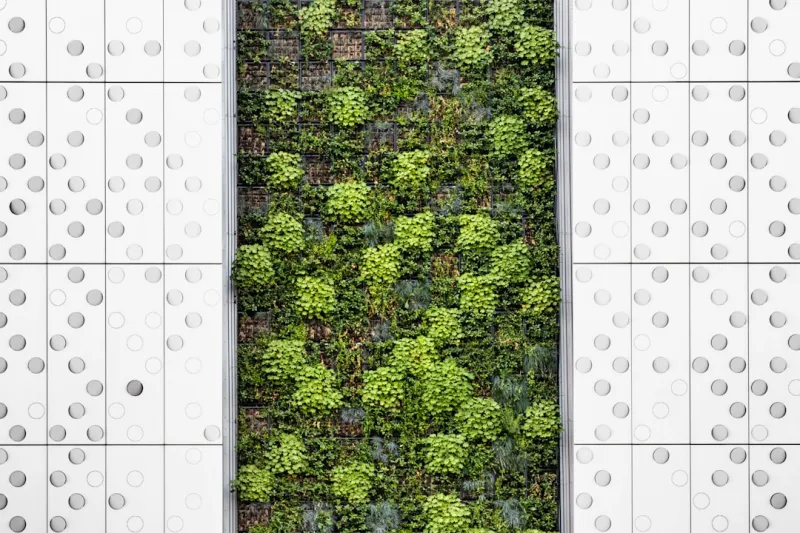
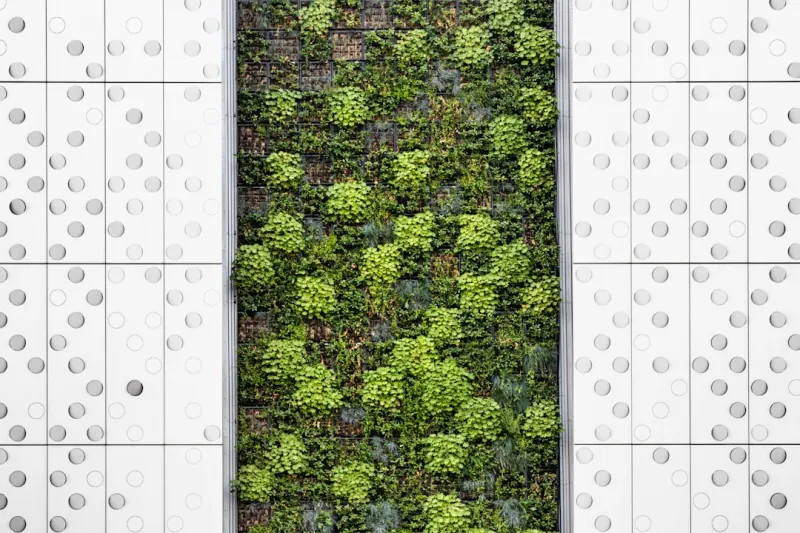
How to create a vertical garden wall using reclaimed pallets and succulent plants
Setup & Materials
By Alex • November 15, 2025 • DIY Guide
Vertical gardens are an exciting way to bring a touch of greenery into your home, especially when space is limited. Creating a vertical garden wall using reclaimed pallets and succulent plants not only enhances your living area but also serves numerous benefits. Not only are succulents attractive and easy to care for, but they are also drought-resistant, making them perfect for beginners. Utilizing reclaimed pallets contributes to sustainability and allows you to express your creativity. This project is perfect for any DIY enthusiast and is surprisingly achievable, even for beginners. Throughout this guide, you will gain skills that can transform an outdoor area or create a unique indoor oasis without breaking the bank.
Benefits of Creating a Vertical Garden Wall
Space-Saving: Vertical gardening is ideal for small spaces, allowing you to utilize vertical surfaces efficiently.
Final Result
Aesthetic Appeal: Pallets can serve as rustic, visually appealing frames for your succulents, enhancing any outdoor or indoor setting.
Improved Air Quality: Having plants indoors can significantly enhance air quality by filtering toxins and producing oxygen.
Stress Relief: Gardening has a therapeutic effect, promoting relaxation and mental wellbeing.
Personalized Decor: Using reclaimed materials gives your garden wall a unique, personalized touch that reflects your style.
The skill level of this project is basic to intermediate; however, it’s tailored for beginners. You'll be using straightforward tools, materials, and techniques to complete the vertical garden wall, all while learning valuable DIY skills along the way.
Tools Needed
Cordless Drill: Essential for drilling holes and securing the pallets together; a cordless drill allows for ease of movement during your project.
Screwdriver: Necessary for tightening screws and ensuring everything is secure; a good screwdriver can be useful for any adjustments needed post-assembly.
Saw (Hand or Electric): Needed to cut the pallets to your desired size, especially if you want a custom look for your garden wall.
Sandpaper or Sander: To smooth rough edges on the pallets, preventing any splinters that could harm you or damage the plants.
Landscape Fabric: Used to line the back of the pallets to retain soil and water while allowing for drainage.
Staple Gun: Helpful for securing the landscape fabric to the pallet, ensuring it stays in place over time.
Garden Gloves: Protect your hands while you work with soil and plants, minimizing the risk of injury or irritation.
Watering Can: A practical tool for watering your succulents, especially if they're installed high on the wall.
Materials
Reclaimed Pallets: 2-4 depending on your wall size; each pallet provides sections for planting.
Succulent Plants: 20-30, depending on your design; choose various succulent types for texture and color.
Potting Soil: 1-2 bags, depending on how much soil you need to fill the pallet sections.
Landscape Fabric: 1 roll; ensures water retention and soil stability.
Wood Screws: 1 box; used to secure pallets together and attach them to the wall.
Wooden Lath (optional): 1-2 pieces; can be used for extra support if you need it when mounting pallets.
Dirt CD (biodegradable): 1-2 packages; used to hold soil in place within each pallet section.
Outdoor Wood Sealant: 1 can; used to protect the wood from moisture and insects if it’s placed outside.
Upholstery Tacks or Brads: 1 box; can be used to trim and secure the second layer of landscape fabric.
Hook and Eye Latch (optional): 1; attach the pallets to the wall securely.
Step-by-Step Guide to Creating Your Vertical Garden Wall
### Step 1: Collect Your Materials and Tools
Gather all your materials and tools in one place to ensure a smooth workflow. Having everything at hand prevents you from running around to find what you need, saving time and maintaining your focus. For a beginner, it’s essential to work efficiently to keep your project clear in your mind. Check the quality of your reclaimed pallets—ensuring they are sturdy and free of chemical treatments—and inspect your plants for any signs of decay.
Tips: Before starting, examine the area where you'd like to install your vertical garden. Make sure it receives adequate light—most succulents thrive in bright, indirect sunlight.
Safety: Wear gloves when inspecting pallets and planting, as some edges can be sharp or rough.
### Step 2: Prepare the Reclaimed Pallets
If your pallets are stained, dirty, or have nails sticking out, start by cleaning and preparing them. Use a sander or sandpaper to smooth out any rough patches and remove any lingering dirt or splinters, which might hurt you or destabilize the structure. Check for loose boards and reinforce them with screws as necessary. If you wish to customize the pallets, consider painting or staining them with a weatherproof finish; this adds durability and gives a more polished look to your garden.
Tips: If the pallets are damaged, consider using wood glue or brackets to reinforce weak spots.
Safety: Always wear gloves when sanding to avoid cuts, and use eye protection to shield against wood dust.
### Step 3: Attach Landscape Fabric to the Pallet
Prepare your pallets for planting by attaching landscape fabric to the back and sides. Cut the fabric to size, ensuring it overlaps the edges of the pallet. Use a staple gun to secure the fabric at intervals, preventing soil and moisture from leaking out. This fabric will help your succulents thrive and protect your walls from moisture buildup.
Tips: You can double-layer the fabric for added durability, particularly if the wall is in a very sunny spot.
Safety: Be cautious with the staple gun, and always make sure to keep your fingers clear of the stapling end.
### Step 4: Secure the Pallets to the Wall
Once the fabric is attached, it's time to fix the pallets to your wall. You could use L-brackets for added stability or directly screw the pallets into the wall studs. Make sure the pallets are level and securely fastened to avoid any shifting once the plants and soil are added.
Tips: Consider reinforcing larger pallets horizontally for better stability.
Safety: Use a studfinder to locate wall studs; avoid placing screws directly into drywall without proper reinforcement, as this may cause the wall to be unstable.
### Step 5: Fill the Pallet Sections with Soil
Now it’s time to fill the pallet sections with potting soil. Use a trowel to distribute the soil evenly into the spaces, leaving just enough room on the top for planting. You want the soil to be loose enough to allow for drainage but compacted enough to hold plants in place once they’re settled.
Tips: Don’t pack the soil too tightly; succulents need air and drainage to thrive.
Safety: Use gloves to protect your hands from soil.
### Step 6: Arrange Your Succulents
Before planting, arrange your succulents in the pallet to visualize how they will look. Make sure to mix different types and sizes for a more appealing aesthetic. Once satisfied, take each succulent, dig a small hole in the soil, and plant them, ensuring the roots are well covered, while the rosettes above the soil line.
Tips: Taller plants can go at the top for a cascading effect, while smaller plants can be at the bottom to create depth.
Safety: Always be cautious handling succulent leaves; some can be sharp, and the sap can irritate skin.
### Step 7: Watering Your New Garden Wall
After planting the succulents, water them well for the first time. Gently pour water around the base of each plant, ensuring the soil is saturated but not overly soggy. Allow the water to drain through the landscape fabric into any bottom reservoir or your wall area.
Tips: Use a watering can with a long spout to easily reach into the pallet sections.
Safety: Avoid overwatering succulents, as it can lead to root rot.
### Step 8: Maintenance and Care for Your Vertical Garden
Water your vertical garden wall as needed—succulents generally require less water than other plants. If they're placed in bright sunlight, check the soil every week, allowing it to dry out before watering again. It’s essential to regularly inspect the plants for pests and to remove any dead leaves promptly to maintain health. You can also consider using a diluted fertilizer every few months to promote stronger growth.
Tips: Rotate the plants for even growth—plants can lean towards the light and might take on an uneven shape.
Safety: Make sure to use biodegradable fertilizers if you are concerned about excess chemicals leaking into your environment.
### Step 9: Personalize Your Vertical Garden
Consider adding decorative elements or plant labels to make your vertical garden wall unique. You can incorporate fairy lights for a magical evening ambiance, or hang decorative gardening tools for a rustic feel. Small sculptures, birdhouses, or even hooks for hanging plants can further enhance the visual appeal of your garden wall.
Tips: Choose decorations that won’t overshadow your plants; the succulents should remain the focal point.
Safety: Ensure any decor is securely fastened and does not obstruct any drainage from the plants.
### Step 10: Enjoy Your Creation!
Take the time to enjoy the beauty of your vertical garden wall. Spend moments tending to your plants and relaxing within the vibrant atmosphere you have created. Invite friends and family to experience it with you, or use it as a contemplative space for yourself.
Tips: Document the growth of your plants over time with photos—this can be both encouraging and rewarding.
Safety: Always be mindful when moving around your garden area—tripping hazards may occur with tools and pots scattered about.
Troubleshooting Common Issues
1. Succulents Turning Brown:
Fix: This often indicates overwatering. Adjust your watering routine by allowing the soil to dry completely before watering again.
2. Pallet Rotting:
Fix: If you notice rot, consider using a wood sealant to protect against moisture or replace the damaged parts of the pallet. Make sure your design allows for proper drainage.
3. Pests:
Fix: Regularly inspect your plants. Use organic pest control (like neem oil) or simply remove affected parts and immediately discard them to prevent spreading.
4. Insufficient Light:
Fix: If the plants seem to be stretching and losing their compact shape, reconsider their location; move them to a brighter spot or supplement with grow lights.
5. Soil Erosion:
Fix: If soil is washing out, reinforce the landscape fabric with more tacks and ensure it's secured well. You may add stones at the soil line to restrain some soil.
Conclusion
Creating a vertical garden wall using reclaimed pallets and succulent plants is not only a practical solution to limited gardening space, but it also serves as an artistic endeavor that results in beautiful living decor. With patience and creativity, you can transform reclaimed materials into a lush vertical garden that can thrive indoors or outdoors.
This project can be endlessly customized based on your preferences—whether it's using more exotic plants, different paint colors, or additional decorations. Remember to take proper care of your garden, providing it with the right amount of light, water, and attention, ensuring it flourishes for years to come.
With your new skills and knowledge, you may even venture to create smaller vertical planters for different spaces or experiment with other plant varieties. Enjoy your gardening journey!