How to create a vertical garden using upcycled plastic bottles for urban spaces
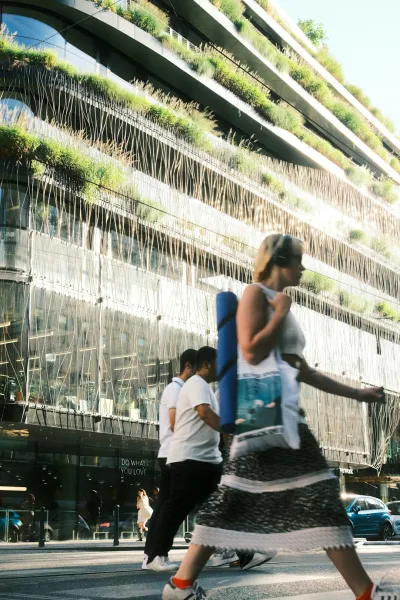
Urban spaces often come with limited access to green areas, posing a challenge for those who wish to incorporate nature into their living environments. However, creating a vertical garden using upcycled plastic bottles not only softens the urban landscape but also promotes sustainability. This project is perfect for those who want to embrace the eco-friendly movement, utilize materials that would otherwise end up in the landfill, and enjoy the mental and physical benefits of gardening in small places.
Why This Project? Urbanization has led to a stark decrease in green spaces, which is a critical aspect of a healthy and balanced lifestyle. Vertical gardens are an ingenious solution for anyone looking to grow plants, herbs, or even flowers in a confined space without taking up too much ground area. Not only does a vertical garden beautify your living area, but it also purifies the air, reduces noise pollution, and even improves mood and mental well-being. Furthermore, by utilizing plastic bottles as the main building material, you contribute to environmental conservation and tackle the waste crisis while expressing your creativity.
Skill Level This project is beginner-friendly! No advanced skills are needed to make a vertical garden from plastic bottles. All you need is some basic tools and a little patience as you let your gardening instincts blossom. This DIY project is not just about gardening; it’s about making something functional and beautiful while taking a step towards sustainability.
---
Tools Needed
1. Utility Knife or Scissors
- Used for cutting plastic bottles to the desired size. A utility knife may provide a cleaner cut but requires caution.
- Essential for creating drainage holes and holes for mounting. A drill can make the work much quicker and is necessary for sturdy hanging.
- Helps ensure your bottles are cut to the same size for uniformity and proper spacing when mounting them together.
- Important for marking cut lines and positions on the bottles for drilling holes.
- If you’d like to decorate your bottles with outdoor paint or sealants, a paintbrush is handy for application.
- Useful for screwing in the mounting hardware to secure the bottles to the wall or frame.
- Help with bending wires or securing any attachments you might need for hanging the bottles.
- Aside from being a safety measure, wearing gloves keeps your hands clean when cutting and planting.
Materials
1. Plastic Bottles - 10-15 bottles (soda or water bottles work best; all should be cleaned and dried) 2. Wire or Rope - 30 feet (to hang your vertical garden; consider weather-resistant options if outdoors) 3. Potting Soil - 2-3 bags (ensures your plants have the right nutrients) 4. Plants or Seeds - Depending on preference (herbs, succulents, or small flowers, about 10-15 seedlings) 5. Wire Mesh - 1 square foot (optional, can be added for extra support in larger installations) 6. Hanging Hooks or Brackets - 10 (if you want added security; make sure they can support the weight) 7. Watering Can or Spray Bottle - 1 (to keep your plants hydrated) 8. Outdoor Paint (optional) - 1 can (to decorate or protect your bottles if placed outside) 9. Drainage Stones - 1 bag (optional, but good to include at the bottom of bottles for extra drainage)---
Step-by-Step Guide
Step 1: Gathering and Cleaning Bottles
- What: Your first step is to collect the plastic bottles you will upcycle.
- How: Gather 10-15 clean bottles. Choose bottles that are relatively uniform in size for a neat look. You can use large soda or water bottles, as they hold a decent amount of soil.
- Tips: Remove the labels from the bottles to create a clean aesthetic. If using colored bottles, consider how the colors will fit into your garden scheme.
- Safety: Be careful while handling sharp-edged bottles. Always clean them thoroughly to prevent the growth of mold.
Step 2: Cutting the Bottles
- What: Prepare the bottles for planting by cutting openings.
- How: Using scissors or a utility knife, cut the bottles in half horizontally. You can create circular openings along the sides rather than cutting them in half; this creates a pocket for soil and plants. Ensure each bottle has at least one drainage hole at the bottom.
- Tips: Cut slowly, and use a marker to outline your cuts. A hot knife may also help in making cleaner cuts.
- Safety: Handle sharp cutting tools carefully. Consider wearing gloves for safety while cutting.
Step 3: Preparing Drainage
- What: Good drainage is crucial for plant health.
- How: Drill additional holes in the bottom part of each bottle. For containers that will hold the soil, you need at least 3-4 small holes to allow excess water to escape.
- Tips: Use drainage stones at the bottom of the bottle to further prevent moisture retention.
- Safety: Ensure the area you work in is stable and secure, avoiding any contact with loose clothing while using tools.
Step 4: Deciding on a Layout
- What: Plan how your vertical garden will be arranged.
- How: Before securing anything to the wall, lay out your bottles on the ground in the desired arrangement. Consider the size of your plants when planning spacing.
- Tips: Create an asymmetrical or staggered layout for aesthetic appeal. Make sure taller plants are positioned in areas where they won't block sunlight for lower plants.
- Safety: Consider the stability of your layout; you want to ensure it can support the weight of the soil and plants.
Step 5: Mounting the Bottles
- What: Secure the bottles to the wall using appropriate brackets or hooks.
- How: Pre-drill holes in the wall where you will hang the bottles. Use hooks or brackets to hang each bottle securely. Make sure they are level and evenly spaced.
- Tips: If hanging inside, ensure the wall surface can support the weight. For outdoor projects, consider mounting on a wooden frame for additional stability.
- Safety: Ensure to use a drill safely, wearing goggles to protect your eyes from flying debris.
Step 6: Adding Soil
- What: Fill your bottlenecks with potting soil.
- How: Carefully pack the potting soil into each bottle. Do not fill right to the top: leave some space for watering.
- Tips: If you’re using heavier plants, overfill slightly to ensure there’s enough support. Compress the soil gently to eliminate air pockets.
- Safety: Ensure your back stays safe while bending over for long periods of time.
Step 7: Planting Your Chosen Plants
- What: It’s time to add the life to your vertical garden.
- How: Take seeds/plants and insert them into the soil. If using seedlings, make a little hole in the soil with your finger or an implement and place them in.
- Tips: Mix a variety of plants—herbs, flowers, or succulents—that provide different textures and colors. Ensure that smaller plants are in lower bottles to avoid shading.
- Safety: Be cautious of any allergies you may have to certain plants while handling them.
Step 8: Watering and Maintenance
- What: Establish a watering routine.
- How: Use a spray bottle to water the plants lightly or a watering can if the bottles are placed low enough. Check soil moisture regularly.
- Tips: Ensure proper drainage by observing how quickly water escapes from the holes. Adjust your contact and watering accordingly.
- Safety: Be mindful when watering, as water on surfaces can lead to slips.
Step 9: Decorating Your Vertical Garden (optional)
- What: Personalize your vertical garden with decorations.
- How: Apply outdoor paint to enhance visual appeal. You can also wrap twine around the bottles or add labels for easy identification of herbs.
- Tips: Use eco-friendly paint if the garden is near edibles. Let your creativity shine!
- Safety: Ensure all materials used are safe for your plants and the environment.
Step 10: Plan for Sunlight and Growth
- What: Make sure your garden receives adequate sunlight.
- How: Position your vertical garden where it gets the best light throughout the day; many plants thrive on 6-8 hours of sunlight. Consider if you want to rotate your bottles occasionally based on growth.
- Tips: Monitor how plants grow, and adjust your watering and sunlight types accordingly.
- Safety: After planting and mounting, be cautious with ladder use if you're mounting high up.
Troubleshooting
1. Plant Wilting
- Issue: Plants may wilt or yellow, indicating stress, usually from overwatering or underwatering.
- Fix: Check the soil moisture. Adjust your watering schedule based on observations—plants in plastic often need less water.
2. Pests
- Issue: Insect infestation can occur in vertical gardens.
- Fix: Use insecticidal soap or natural oil sprays to deter pests. Maintain cleanliness, and remove any dead leaves.
3. Algae Growth
- Issue: Algae can appear in the soil if it’s too wet or regularly exposed to moisture.
- Fix: Adjust watering habits and ensure adequate drainage. Consider using a top layer of gravel for appearance and moisture control.
4. Fungal Issues
- Issue: Fungi can develop due to high humidity levels or poor air circulation.
- Fix: Increase airflow around plants and avoid crowding, ensuring each plant has some breathing room. Consider rotating plants to promote airflow.
5. Bottles Falling
- Issue: Occasionally, poorly mounted bottles may fall due to overloading or weather conditions.
- Fix: Ensure mounts are secure; if they’re heavy, enhance the mounting system with more stable options like screws. Review positioning after extreme weather.
Conclusion
Creating a vertical garden using upcycled plastic bottles is not just a creative way to bring greenery into urban spaces; it’s an exercise in sustainability and resourcefulness. You can customize your vertical garden based on aesthetics, the types of plants you prefer, and the available space and orientation. With a little effort in maintenance such as regular watering, pest management, and ensuring adequate sunlight, your vertical garden can thrive beautifully.
Explore variations like incorporating wooden pallets, or creating tiered plantings for even more diversity. With time, patience, and care, your urban vertical garden can become a thriving oasis, a source of inspiration, and perhaps even a conversation starter in your community.
Happy gardening!