How to create a vertical garden using upcycled plastic bottles for small spaces
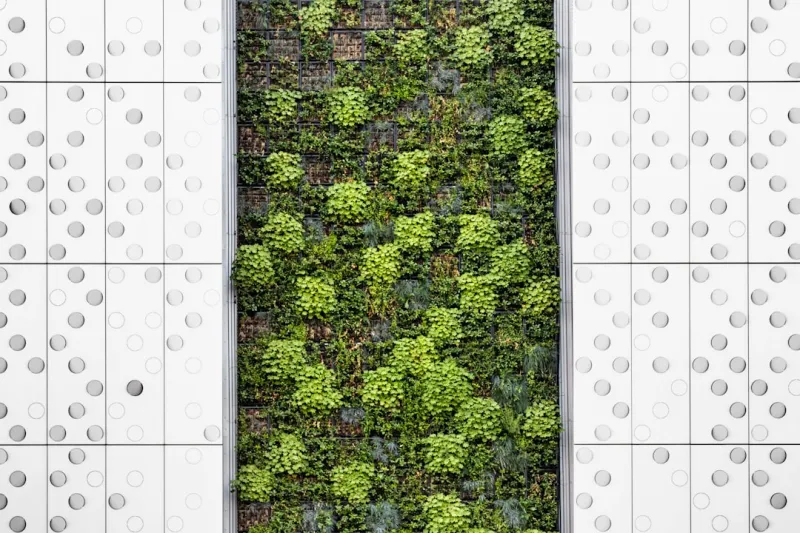
Intro
In today’s urban landscape, space is often at a premium. With the growing trend of apartment living and smaller homes, many city dwellers yearn for a touch of nature amidst concrete and steel. Creating a vertical garden using upcycled plastic bottles is an eco-friendly solution that not only enhances your living space but also promotes sustainability. This DIY project allows you to transform everyday waste into vibrant green decor that can brighten up your balcony, patio, or even a small indoor area.
Beyond aesthetics, the benefits of vertical gardens are numerous. They improve air quality, provide a habitat for local wildlife, and even offer the chance to grow your herbs and vegetables right at home. Using upcycled plastic bottles also reduces waste, showing how innovation can lead to environmental change. Moreover, this project is a great way to teach kids about sustainability and gardening.
The skill level for this project is beginner to intermediate, making it appropriate for anyone willing to learn and try their hand at gardening. This guide will walk you through the necessary tools and materials needed, provide step-by-step instructions, and offer troubleshooting tips to help your vertical garden thrive. So grab your supplies, and let’s get started on creating your own green oasis!
Tools Needed
1. Scissors or Utility Knife: Essential for cutting the plastic bottles to the desired size. Ensure they’re sharp to make clean cuts and minimize effort. 2. Drill or Awl: Used to create drainage holes in the bottles and to attach them to your vertical structure. A power drill is faster, but a manual awl can work too. 3. Ruler or Tape Measure: To measure and ensure uniform cuts and spacing in your design. Accurate measurements yield a more aesthetically pleasing result. 4. Marker: For marking cut lines and hole placements on the bottles. A vivid color helps ensure visibility against the clear plastic. 5. Strong Twine or Wire: Using twine or wire will help secure the bottles to your vertical frame. Choose durable materials that can withstand weather changes if placed outdoors. 6. Screwdriver (if necessary): Depending on your vertical frame design, a screwdriver may be needed to secure bottles in place. 7. Gloves: Protect your hands while working with plastic and while gardening. Gloves are particularly useful when handling soil and plants. 8. Watering Can or Hose: Essential for maintaining your garden once it's assembled, ensuring that the plants receive adequate hydration as they grow.
Materials
1. Plastic Bottles: 8–10 bottles (1.5L or 2L size works well). 2. Potting Soil: 2 bags (each about 10-12 quarts). You need quality soil to ensure healthy plant growth. 3. Plants or Seeds: Choose based on available space and light—herbs, small flowers, or low-maintenance vegetables. 4. Vertical Frame: 1 (wooden pallets or fence boards can be used; aim for something sturdy to hold your garden). 5. Hooks or Nails: 10-12 (for securing your vertical garden). Use sturdy hooks that are appropriate for the weight of your bottles. 6. Plastic Sheet or Tarp: 1 (to protect the ground during assembly). This makes cleanup easier while cutting the bottles. 7. Fertilizer: 1 bag (optional, but beneficial for thriving plants). For best results, use organic options that promote healthy growth. 8. Watering System (Optional): Drip irrigation or simple water spikes. A more elaborate watering system simplifies maintenance, especially if you’re using herbs.
Step-by-Step Instructions
### 1. Gather Your Tools and Materials
What: Before you begin, lay out all your tools and materials in an organized manner. This preparation will streamline your process and reduce the chances of misplacing items as you work.
How: Identify your workspace, whether it’s a garage, backyard patio, or porch. Ensure there is enough space to cut the bottles and assemble the garden without disturbances.
Tips: Choose a well-lit area to work in. This will not only make cutting easier but also significantly improve the overall working experience. Plan breaks if your workspace is outdoors on a hot day, and remember to stay hydrated as you progress.
Safety: Use gloves when handling sharp tools or glass-like portions of the plastic bottles. Be cautious when using cutting tools, making sure they are stable and that the direction of the cut is away from your body.
### 2. Prepare the Plastic Bottles
What: Start by cutting the plastic bottles to create planting pockets where your plants will grow.
How: With your scissors or utility knife, cut each bottle in half horizontally, leaving a bottom portion that is about two-thirds of the original height. Carefully remove any labels from the bottles; this helps to maintain a clean and cohesive aesthetic.
Tips: If you want to create multiple planting holes, consider cutting vertically down one side of the bottle to form smaller planters. Use the marker to draw guide lines for cutting, ensuring symmetry.
Safety: Make sure to take your time with these cuts; jagged edges can be sharp. Use a cutting mat or safety gloves during this process to avoid any injury.
### 3. Create Drainage Holes
What: Proper drainage is crucial for plant health, as it prevents over-watering and root rot.
How: Using a drill or awl, make several holes in the bottom of each bottle planter. Ensure there are enough holes to allow excess water to escape freely.
Tips: If you’re concerned about soil spilling out, consider placing a small amount of landscaping fabric or coffee filter at the bottom of each bottle before adding soil. This will allow water to drain while keeping the soil intact.
Safety: Always use the drill in a controlled manner, keeping fingers away from the drill bit. If using an awl, apply steady pressure to avoid slipping.
### 4. Attach Bottles to Your Vertical Frame
What: The beauty of upcycled bottle gardens lies in their vertical arrangement, which maximizes space.
How: Start from the bottom of your vertical frame. Position your first bottle and secure it using hooks or nails. Ensure the bottle is slightly tilted for natural drainage. Continue adding bottles, working your way up, spacing them evenly to allow access for watering and maintenance.
Tips: Experiment with different arrangements—some bottles can be placed horizontally, while others can sit vertically. This variety can create a more dynamic and attractive design.
Safety: Ensure that the frame is sturdy enough to handle the weight of the bottles when filled with soil and plants. If using nails, hammer them carefully to avoid damaging the frame or injuring yourself.
### 5. Fill Bottles with Potting Soil
What: Now it’s time to fill the planted bottles with soil, setting your garden up for growth.
How: Use a trowel or your hands (gloved) to add potting soil into each bottle. Leave about an inch of space at the top for planting seeds or plants, and gently press down to eliminate air pockets.
Tips: If you are using seeds, consider mixing slow-release fertilizer into the potting soil beforehand to give your plants a head start. For pre-grown plants, moisten the soil slightly before planting to give the roots a good environment to settle in.
Safety: Watch out for any spills; potting soil can become slippery. Ensure you’re working on a surface that won’t be damaged by dirt.
### 6. Plant Your Chosen Flora
What: With your bottles filled, it’s time to introduce your plants or seeds.
How: If using plants, remove them gently from their nursery pots to avoid root damage. For seeds, create small holes in the soil as instructed on the seed packets. Place seeds in the holes and lightly cover them with soil.
Tips: Consider companion gardening—some plants enhance the growth of others. For example, basil and tomatoes grow well together. Group plants with similar sunlight and watering needs to ensure they thrive.
Safety: When handling young plants, do so with care to avoid breaking fragile stems or leaves. Wear gloves if you are sensitive to specific plant types.
### 7. Water Your Vertical Garden
What: Effective watering is essential to ensure your plants establish well in their new environment.
How: Water thoroughly but gently to avoid displacing soil or seedlings. Depending on the plant types, you might need different amounts of water; herbs often prefer moist but not soggy soil.
Tips: Consider incorporating a drip irrigation system or self-watering spikes if you are unable to water frequently. This will help regulate moisture levels, particularly for a busy schedule.
Safety: Always be cautious when carrying water; it can be heavy, and slippage can occur. Check the ground around your garden for stability.
### 8. Positioning for Optimal Sunlight
What: The placement of your vertical garden is crucial for its health and growth.
How: Place your vertical garden in a location that receives adequate sunlight according to the needs of your plants—most herbs, vegetables, and colorful flowers prefer at least 6 hours of sunlight a day.
Tips: If you find you don’t have enough direct sunlight in your space, consider lightweight grow lights that can be positioned near your vertical garden.
Safety: Ensure that the vertical frame is securely anchored to prevent it from tipping over due to wind or uneven weight distribution.
### 9. Regular Maintenance
What: Once your vertical garden is established, regular maintenance is key to keeping it flourishing.
How: Monitor your plants for signs of pests or disease, and prune as needed to remove any dead leaves or blooms. Fertilize as instructed, and continue to adjust watering based on weather and plant needs.
Tips: Schedule a weekly check-in for watering, pruning, and observing your plants. Keeping a journal of their growth can guide future gardening projects.
Safety: When handling tools during maintenance, always stay alert so as not to accidentally injure yourself or disrupt the stability of your vertical garden.
### 10. Enjoy Your Vertical Garden
What: Revel in the beauty of your upcycled creation! Take the time to appreciate the journey from waste to greenery.
How: Spend time interacting with your garden—harvest, trim or just enjoy the calming effect of nature in your small space. This can be an excellent way to unwind after a busy day.
Tips: Consider inviting friends or neighbors over to share your new vertical garden. Use it as a conversation starter and inspire others to start their own sustainable projects.
Safety: Enjoy responsibly—if you are consuming any produce, ensure it has been thoroughly washed to remove any pests or soil residues.
Troubleshooting
Even the most carefully planned gardens can encounter challenges. Here are some common issues you may face when creating a vertical garden using upcycled plastic bottles and tips to fix them:
1. Root Rot: Overwatering can lead to root rot, causing plants to wilt or die. Fix: Check the drainage holes in your bottles. If they are clogged, clear them out. Adjust your watering schedule to allow the soil to dry out between watering.
2. Wilting or Yellowing Leaves: This could be a sign of underwatering or nutrient deficiency. Fix: Adjust your watering habits, and consider adding a liquid fertilizer specifically for the plants you are growing. Ensure the soil is adequately aerated as well.
3. Insufficient Growth: Plants may struggle to thrive if they do not receive enough sunlight. Fix: Move your garden to a sunnier location, or supplement with grow lights for indoor spaces that lack natural light.
4. Pest Infestations: Common pests like aphids or spider mites can attack your plants. Fix: Use a mixture of water and mild soap to wash the affected plants, or introduce beneficial insects like ladybugs, which can help control pest populations.
5. Bottles Falling: If the weight of the soil and plants shifts, bottles may become loose or detach from the frame. Fix: Reinforce the bottles with additional hooks or support them with zip ties in addition to the fastening method you used. Ensure the vertical frame is stable.
Conclusion
Creating a vertical garden using upcycled plastic bottles for small spaces is not only an imaginative way to utilize waste but also a fulfilling process that brings a bit of nature into urban life. By following the detailed steps outlined in this guide, anyone can successfully create a beautiful and functional vertical garden, regardless of their gardening experience.
Don’t hesitate to personalize your garden—try experimenting with various plants, colors, and arrangements. You can even decorate your bottles or frame to reflect your unique style. Remember that maintenance is key; regular monitoring of plant health will ensure sustainability and beauty in the long run.
With a little TLC and creativity, your vertical garden can flourish and thrive for years to come. Happy gardening!