How to create a vertical garden using upcycled plastic bottles and urban palettes
Introduction
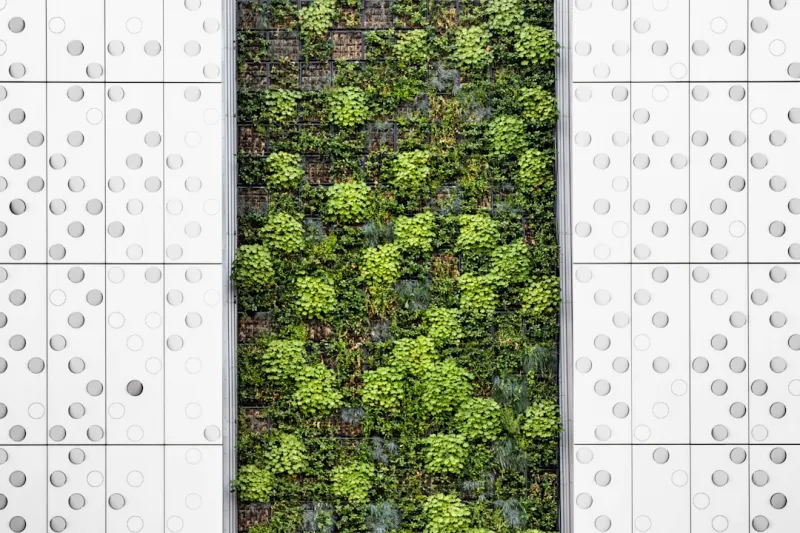
Urban living often presents a unique set of challenges that can make it feel like greenery and nature are out of reach. Many city dwellers lack the space for a traditional garden, and with population density on the rise, the availability of green spaces is dwindling. But, what if I told you that you could bring a little piece of nature right into your own backyard or balcony using just upcycled plastic bottles and urban palettes? This DIY vertical garden project is not only easy on the wallet, but it’s also an excellent way to contribute to sustainability. By repurposing waste materials, you’re actively participating in reducing landfill contributions while nurturing a flourishing plant habitat in the urban jungle.
There are several benefits to creating a vertical garden. It maximizes your growing space and allows you to cultivate a variety of plants – from herbs and vegetables to flowers – even in confined environments. Moreover, vertical gardens can help regulate temperature, improve air quality, and provide a creative outlet for anyone looking to reclaim their connection to nature.
Whether you’re working from a balcony, a rooftop, or just a small outdoor corner, this project is perfect for anyone, from gardening experts to complete novices. The skill level required is beginner-friendly, and the satisfaction of seeing your plants grow in your handcrafted structure will make the effort well worth it. Ready to transform your small space into a green oasis? Let’s get started!
Tools Needed
- Utility Knife: For cutting the plastic bottles with precision. Safety is crucial, and a utility knife provides clean cuts, minimizing injury risk.
- Drill with Bits: Essential for creating drainage holes in the bottles and for attaching your vertical garden to the pallets. A drill will make the process faster and more efficient.
- Paintbrush: To apply a coat of sealant or paint if you choose to decorate the pallets. This adds aesthetic appeal and will help protect the wood against rot.
- Measuring Tape: To measure out the dimensions of your design accurately. Proper measurements ensure that everything fits together correctly.
- Sandpaper: Used for smoothing down rough edges on the pallets and bottles, making them safe to handle. It also allows for better paint adhesion if desired.
- Wire Cutters: If you plan on using wire to secure the bottles to the pallets, these will help trim the wire to length easily.
- Gloves: Protective gear is important to protect your hands from sharp edges on the bottles and pallets.
- Safety Glasses: Protect your eyes while drilling or cutting to prevent injuries from flying debris.
Materials
- Plastic Bottles: 10-15 bottles (1.5L or 2L size works well).
- Pallets: 1-2 wooden pallets, depending on the size of your garden.
- Potting Soil: 2-3 bags (enough to fill your bottles and provide adequate nutrition for your plants).
- Plants/Seeds: 5-10 small plants or packets of seeds (consider herbs, flowers, or small vegetables suited to vertical growth).
- Landscape Fabric: 1 roll (to help retain soil and moisture while allowing water to drain).
- Nails or Screws: 20-40 pieces, depending on how many bottles you’re securing to the pallets.
- Wood Sealant or Paint: Enough to coat the pallets if desired to protect against weathering.
- Wire or Twine: Approximately 10-20 feet to secure the bottles and additional structure if needed.
- Watering Can: For optimal irrigation of your garden after planting.
- Ruler: To measure spacing between bottles when mounting them on the pallets.
Steps to Create Your Vertical Garden
Step 1: Gather Your Materials and Tools
Before starting your vertical garden, it’s crucial to have all your materials and tools at hand. This ensures a smooth workflow and saves time. Gather your plastic bottles—make sure they are thoroughly cleaned and dried. Check each item against the materials list, and double-check that your tools are in working order. If using pallets, ensure they are in good condition without any significant damage or rough splinters. Always prioritize safety during your preparations. Prepare your workspace with a flat surface and sufficient lighting to see what you are doing.
Step 2: Prepare the Plastic Bottles
Start by removing labels from the plastic bottles and cleaning them thoroughly to eliminate any residue. Use your utility knife to cut the bottles in half, creating two sections. It’s often best to cut about a third of the way from the bottom, making sure there’s an open top for planting. Be cautious when cutting—always cut away from your body and keep your fingers clear of the blade. Make small drainage holes at the base of the bottles to prevent overwatering; you can use a drill or a lighter to carefully poke holes if your knife isn’t sharp enough.
Step 3: Prepare the Pallet
Take your wooden pallet, and using the sandpaper, smooth any rough edges or splinters that could cause injury. If you want to paint or seal the wood, do so now with your brush. Allow it to dry completely before proceeding on to the next step. This treatment will not only help protect the wood from moisture but can also create a more aesthetically pleasing appearance. While the pallet dries, consider planning the layout of your design.
Step 4: Lay Out the Bottles
Once the bottles are ready, lay them out on the pallet to see how they will fit. This step involves arranging them vertically in rows or staggered, whichever suits your aesthetic preference and plant needs. Take into account the width of the bottles and the spacing needed for plants to grow. Use the measuring tape and ruler to ensure equal spacing between each bottle for a more professional finish. It can also help to align the holes you've made for drainage and consider water flow from one bottle to another.
Step 5: Secure the Bottles
Using your drill, create holes in the pallet where the bottles will be attached. Start from the base of the bottle and work your way up—this will ensure a secure fit. Use nails or screws to firmly attach each bottle to the pallet. If you’re using wire or twine, you can wrap it around the bottle and then secure it to the pallet for added stability. Be sure to hold the bottle securely while you’re fastening it to avoid any slips. Double-check that every bottle is secured tightly before moving on.
Step 6: Line the Bottles
Cut strips of landscape fabric to fit inside the bottles. This lining will help retain soil without letting it fall out through the drainage holes. The fabric will also aid in moisture management, allowing your plants to thrive. Simply place the fabric at the bottom of each bottle for a snug fit. Make sure the fabric extends up a little bit so the soil does not wash through the holes when you water the plants. Take your time to neatly arrange the fabric—it’s a small detail that enhances durability.
Step 7: Fill with Soil and Plant
Now it’s time to add the potting soil! Fill each bottle with a generous amount of soil without packing it too tightly—this ensures good drainage and aeration. Once filled, it’s time to plant your chosen plants or seeds. Plant according to the depth and spacing recommendations for each plant. For larger plants, consider placing them toward the bottom of the pallet to provide balance and stability to your vertical garden. After planting, gently water the soil thoroughly, ensuring everything is well hydrated but not waterlogged.
Step 8: Position the Pallet
Once your vertical garden is fully assembled and planted, it’s time to find a suitable location for it. Whether you choose a sunny balcony, a shaded patio, or even a wall, ensure the plants receive adequate sunlight. Keep in mind the growth requirements of the plants you selected; herbs often require about 6 hours of sunlight a day, while some flowers may thrive in partial shade. Choose a strong, stable location where it won’t be knocked over or disturbed excessively.
Step 9: Implement a Watering Schedule
Establish a routine for watering your vertical garden. Given the nature of the arrangement, frequent but light watering is usually ideal. Watering every other day during warm weather and weekly during cooler months is a good starting point. Be mindful of the drainage provided; the water should flow from one bottle to the next, promoting healthy moisture levels throughout the structure. Using a watering can with a narrow spout may help control the amount of water being dispensed.
Step 10: Monitor Growth and Maintain
Regularly check your vertical garden for signs of growth, pests, or diseases. Prune any dead or wilted leaves, and adjust your watering schedule if you notice drying or over-saturation of the soil. You can also rotate the pallet periodically to ensure all plants receive equal sunlight exposure. As they grow, you may want to regularly harvest herbs or prune flowers to encourage healthy, vibrant growth. Keep in mind that vertical gardens can require a bit more attention than traditional beds due to the unique growing environment.
Troubleshooting
Even the most well-planned gardens can encounter issues. Here’s how to fix some common problems you may face:
- Overwatering: If you notice sagging plants or moldy soil, you may be overwatering. Allow the bottles to dry slightly before the next watering session. Consider adding more drainage holes if needed.
- Sunlight Deficiency: If the plants aren't thriving, assess if they’re receiving enough sunlight. Depending on the species, consider moving the pallet to a sunnier spot or rotating it periodically.
- Soil Erosion: Slight soil loss can be natural, but if you’re losing a lot, there might be too much drainage. Ensure that landscape fabric is properly positioned and consider adding more soil.
- Pest Infestation: If you see insects, inspect all plants carefully. Remove any visible pests and consider natural insect repellents like neem oil or soap-water sprays.
- Nutrient Deficiency: Yellowing leaves may indicate a lack of nutrients. Utilizing a balanced liquid fertilizer a few weeks after planting can help boost your plants’ health.
Conclusion
Creating a vertical garden using upcycled plastic bottles and urban palettes is not only a creative way to beautify your outside space but also an investment in sustainability and a healthier lifestyle. By following the steps outlined above, you can cultivate diverse plants suited to your climate and preferences while combating urban wastage.
There are numerous variations of this project; consider painting the bottles for a more vibrant look or making a tiered structure to add depth to your garden. Regardless of the approach you choose, maintenance is key—regular checks will help your plants thrive, leading to a flourishing vertical garden you can be proud of.
Transform your living space and allow nature to flourish right in your own home with just a bit of effort and creativity!