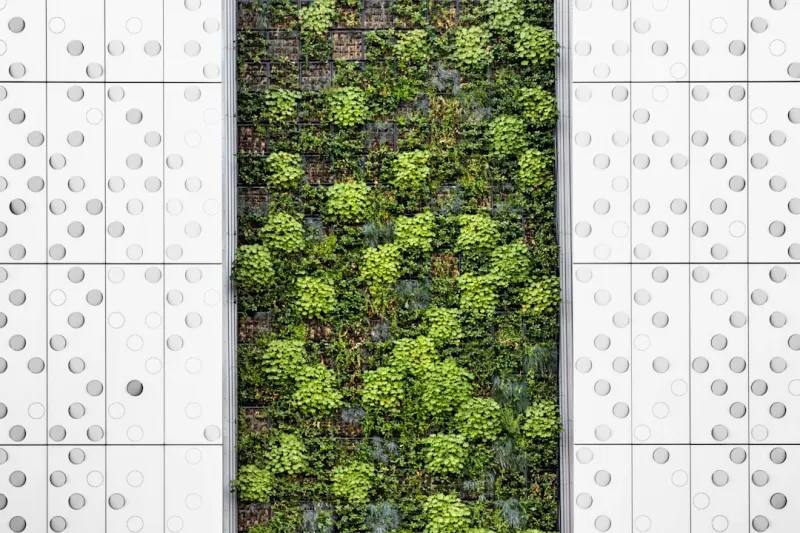
How to create a vertical garden using upcycled pallets and native plants
Setup & Materials
By Alex • November 15, 2025 • DIY Guide
Introduction
In an era of fast living and busy schedules, more people are seeking ways to reconnect with nature right in their own backyards. One fantastic project that can help you cultivate this connection while maximizing space is a vertical garden using upcycled wooden pallets and native plants. This DIY endeavor is not only beneficial for you as a gardener but also helps support local ecosystems.
Vertical gardens are an ingenious solution for those with limited yard space or wishing to beautify a small balcony or patio without consuming too much horizontal space. Moreover, upcycling wooden pallets keeps waste out of landfills, creating a unique and sustainable gardening option that’s easy on your wallet as well. By using native plants, you can promote local biodiversity, as these plants are adapted to your climate and require less water and maintenance compared to non-native species.
This project is beginner-friendly and provides a great opportunity for hands-on learning, offering not just the satisfaction of nurturing plants but also the joy of creating artful displays that can enhance your outdoor area. The skills required are minimal, making it an excellent choice for those who have little to no gardening experience. In this guide, we will walk you through every step of creating a stunning vertical garden from upcycled pallets, ensuring you end with a thriving, eco-friendly hobby that you can be proud of!
---
Tools Needed
1. Screwdriver or Drill
For tightening screws or assembling parts of the pallet to ensure stability.
Final Result
2. Saw
A handsaw or jigsaw will help to cut the pallets to the desired size if they're too large.
3. Sandpaper
Essential for smoothing rough edges and surfaces on the pallets to prevent splinters.
4. Staple Gun
To attach the landscape fabric securely to the back of the pallets, providing a barrier for soil and moisture.
5. Garden Gloves
Protect your hands from dirt and splinters while working on the pallets and planting.
6. Measuring Tape
Used to measure space accurately, ensuring your project fits in your intended area.
7. Level
To ensure your vertical garden hangs straight, maintaining a professional aesthetic.
8. Watering Can or Hose
For watering your newly planted garden once it's installed.
---
Materials
1. Wooden Pallets (2-4, depending on size)
Sourced from local stores or warehouses; make sure they are safe for gardening and not chemically treated.
2. Landscape Fabric (1 roll, about 3 feet wide)
This serves as a barrier to hold soil while allowing for proper drainage.
3. Soil Mix (2-3 bags of potting soil)
Provides a nutrient-rich environment for your plants.
4. Native Plants (4-10, depending on pallet size)
Choose a range of sizes and types, such as ferns, succulents, or flowering plants, native to your area.
5. Wood Screws (1 box)
For securing the pallets together and ensuring the structure's stability.
6. Brackets or Hinges (optional; a small pack)
Helpful for securing multiple pallets together in a more complex design.
7. Paint or Wood Sealer (1 can, if desired)
Use eco-friendly paint or sealer to protect the wood and enhance its appearance.
8. Hanging Hooks or Wall Brackets
Required for mounting your vertical garden against a wall or fence.
9. Drip Tray (1-2; optional)
To place underneath the pallet, catching excess water and protecting your patio or floor.
---
Step-by-Step Instructions
### Step 1: Prepare the Pallet
Before you begin assembling your vertical garden, inspect your wooden pallets for any damage, such as broken slats or protruding nails. They should be sturdy enough to hold the weight of the soil and plants. If any slats are loose or broken, repair them using wood screws. Next, sand the entire pallet with sandpaper to eliminate splinters, especially along edges that may be touched frequently.
### Step 2: Cut the Pallet (if needed)
If the pallets are too large for your intended space, measure and mark the desired dimensions using a measuring tape and pencil. Using your saw, carefully cut the pallet to size. Always wear gloves and work glasses for safety during this step to avoid accidents. A handsaw can be used for smaller cuts, while a jigsaw is recommended for larger areas.
### Step 3: Attach Landscape Fabric
Position the landscape fabric on the back of the pallet, stretching it tightly to ensure soil remains in place but without obstructing drainage. Use the staple gun to secure the fabric at the top and bottom, ensuring it's taut. This step is crucial as it allows your plants to grow while effectively containing the soil and preventing it from falling through the slats.
### Step 4: Position the Pallet
Decide on the location for your vertical garden. Ensure it gets adequate sunlight, usually at least 6 hours of direct sunlight daily. Make sure the ground or wall where you'll mount your pallet is level; use a level tool for accuracy. If the pallet is heavy, you may need assistance to lift it into position.
### Step 5: Secure the Pallet
Using hanging hooks or wall brackets, securely fasten the pallet to the chosen wall or freestanding structure. It's critical to affirm that it’s stable before proceeding, especially if you're stacking multiple pallets. Adding brackets or hinges between pallets can strengthen your vertical garden.
### Step 6: Fill with Soil Mix
Once securely mounted, fill each of the compartments in the pallet with potting soil. Gently compress the soil as you fill to eliminate air pockets. Leave the top inch free of soil so that rainwater can drain efficiently and don't flush out the roots later. Moistening the soil slightly before planting can help it settle better.
### Step 7: Choose and Plant Native Plants
Choose a combination of native plants suited to your climate and the light conditions of your space. Place larger plants toward the bottom of the pallet, as they will need more soil depth, and smaller plants higher up. Gently remove plants from their containers, loosen constricted roots, and place them into the soil. Ensure they are spaced appropriately to allow for growth over time.
### Step 8: Watering and Initial Care
After planting, give your vertical garden a thorough watering until the soil is moist but not soggy. It’s essential to establish the moisture level for your new plants. Overhead watering via a hose or watering can is effective; however, consider using a soaker hose for adjustable irrigation long-term. Monitor moisture levels closely for the first few weeks until your plants establish their roots.
### Step 9: Maintenance and Adjustment
Regularly check your plants for signs of growth and health. Trim any dead leaves or flowers to encourage new growth, and water according to seasonal needs. Additionally, you may need to reposition the plants if they seem to be competing for light, particularly if some are outgrowing others.
### Step 10: Enjoy Your Vertical Garden
Finally, take time to enjoy your vertical garden. Observe how the plants grow and flourish, and consider inviting friends or family to appreciate your handiwork. Documenting the growth through photos can also be fun, a keepsake reflecting your gardening journey.
---
Troubleshooting
1. Pest Infestation:
Issue: Your native plants may attract pests.
Fix: Introduce natural predators like ladybugs or use insecticidal soap. Regularly inspect your plants to catch issues early.
2. Soil Erosion:
Issue: Soil washing out between slats during rain.
Fix: Increase the sturdiness of the landscape fabric and add a good layer of mulch on top of the soil to hold it in place.
3. Plants Wilting:
Issue: Due to inadequate watering or sunlight.
Fix: Check moisture levels; if dry, water thoroughly. If plants are getting too much sunlight, consider moving them or providing partial shade.
4. Warping of Pallet:
Issue: Pallets might warp under the weight of the soil and plants.
Fix: Ensure the pallet is made of durable wood, and replace any damaged sections. Adding additional bracket supports can also help.
5. Drainage Issues:
Issue: Water pooling at the bottom of the soil and causing root rot.
Fix: Ensure you have sufficient drainage holes cut into the pallet if necessary. Consider incorporating stones at the base for better drainage.
---
Conclusion
Creating a vertical garden using upcycled pallets and native plants offers an eco-friendly, cost-effective way to beautify your outdoor space while contributing to local biodiversity. This project is an engaging, hands-on journey that allows you to connect with nature and cultivate both plants and skills.
As you continue to enjoy the fruits of your labor, consider experimenting with different plant types, colors, or even incorporating decorative elements such as fairy lights or handmade signs to personalize your garden. Regular maintenance is key to keeping your garden vibrant, including seasonal adjustments for plant growth and care.
Embark on this journey with patience and creativity, and you will find that your vertical garden not only becomes a focal point in your home but also a fulfilling hobby that thrives on prosperity and sustainability.