How to create a vertical garden using repurposed wine bottles and sustainable materials
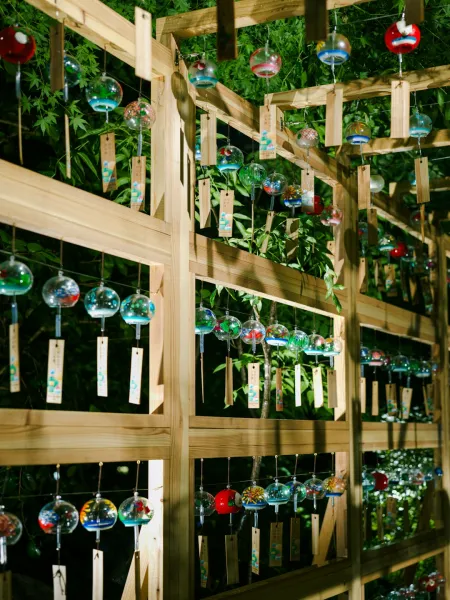
Creating a vertical garden using repurposed wine bottles is not only an eco-friendly project but also a rewarding way to enhance your living space with greenery. As urbanization continues to take over most environments, even the smallest spaces in our living areas can make for vibrant, flourishing gardens. Vertical gardens allow you to maximize space, even in apartments or small backyards, providing a lush and lively environment. This project is particularly appealing because it involves using upcycled materials that would otherwise be discarded, thus contributing to waste reduction.
The benefits of crafting a vertical garden from wine bottles extend beyond aesthetics. Plants purify the air, boost mental well-being, and provide fresh produce, depending on what you choose to grow. Additionally, working with your hands can be therapeutic, allowing you to disconnect from the digital world while fostering a sense of achievement. Even beginners can create an appealing vertical garden without needing elaborate tools or gardening expertise. This guide will take you through a step-by-step process, so if you’re ready to get your hands dirty and embrace your inner green thumb, let’s dive in!
Skill Level
This project is suitable for beginners with basic crafting skills. You don’t need to be a gardening expert; if you can handle a pair of scissors and have a little patience, you’re already halfway there. With thorough instructions, tips, and a touch of creativity, you’ll be able to create a beautiful vertical garden that showcases your personality and taste. Now, let’s gather our tools and materials!
Tools Needed
1. Utility Knife – Essential for cutting wine bottles precisely. A sharp blade will help you achieve clean cuts without shattering the glass.
2. Sandpaper (Medium and Fine Grit) – Perfect for smoothing out the edges of the cut bottles, reducing the risk of injury from sharp glass.
3. Drill with Glass Drill Bit – Required for creating drainage holes. Make sure to use a specialized drill bit designed for glass to avoid cracking the bottles.
4. Ruler or Measuring Tape – Important for ensuring even spacing and consistent measurements when positioning the bottles.
5. Marker – Useful for marking lines on the bottles for cutting and drilling, ensuring accuracy.
6. Hanging Hardware (Nails/Cable Ties) – To secure your vertical garden to a wall or fence. If using cable ties, ensure they're strong enough to hold the bottles.
7. Gardening Gloves – Important for hand protection when handling soil and sharp glass edges.
8. Watering Can or Spray Bottle – For watering plants once they’re in their vertical habitat. A spray bottle can provide gentle hydration, especially for young plants.
Materials
1. Wine Bottles – At least 10 (preferably recycled) to serve as planters.
2. Potting Soil – 1-2 bags (depending on the number of bottles). This will provide nutrients for your plants.
3. Plants (herbs or succulents) – 5-10, selecting varieties that thrive in smaller root environments like basil, thyme, or small succulents.
4. Sphagnum Moss or Coconut Coir – 1 bag to help retain moisture in the soil and provide insulation.
5. Water-Absorbent Crystals – Optional, 1 small packet to keep the soil hydrated, reducing the frequency of watering.
6. Nails or Screws – 10-20 to use with the hanging hardware for fastening bottles securely.
7. Wooden Pallet (optional) – One or two pallets can provide a rustic and sturdy frame for your vertical garden.
8. Paint or Sealant (optional) – If you want a personalized touch or additional weather resistance on wooden pallets.
9. Cycle of Light Plant Food – A small bottle for nourishing your plants periodically.
Step-by-Step Guide
### Step 1: Collect and Clean Your Wine Bottles
Begin by gathering your wine bottles. Aim for a variety of shapes and colors to create visual interest in your vertical garden. Once gathered, thoroughly wash and rinse them to remove any labels, glue, and residue. This is crucial as leftover materials can harbor bacteria that could harm your plants. Remove corks and caps – you won’t need those for the vertical garden. After washing, leave them to air dry completely.
Tip: To speed up the label-removal process, soak the bottles in warm soapy water for a few hours before scrubbing.
### Step 2: Prepare Your Work Area
Creating an outdoor workspace is beneficial for this project, as it helps contain the mess. Set up a table in a space with good ventilation. Lay down a protective tarp or newspaper to catch any debris from cutting the bottles. This step will help to ensure your work environment remains tidy.
Safety Tip: Wear protective goggles and gloves while working with glass to avoid injury from shards or dust.
### Step 3: Cut the Wine Bottles
Using your utility knife, measure about a third of the way down from the top of the bottle, or wherever you want the opening to be, and hold the knife firmly to trace a circle around that point. Carefully apply pressure to create a separation line, then go around the line for a smoother finish. If you feel uncertain about using a utility knife, try using the scoring method with hot and cold water, which can create a clean break.
Next, line the edge of the score with sandpaper to ensure there are no sharp points. This will prevent any accidents when performing your main task of planting.
Tip: If you find cutting difficult, you can use a glass cutter for a more straightforward cut.
### Step 4: Create Drainage Holes
Using a drill with a glass drill bit, carefully create a few drainage holes at the bottom of each wine bottle - this prevents water from pooling and causing root rot. If your bottle is deep, a couple of holes will suffice; for shallower bottles, just one is usually enough.
Safety Tip: Keep a spray bottle handy and spray the bottle while drilling to cool down the bit, which also reduces the risk of cracking.
### Step 5: Add Drainage Material
To enhance drainage and moisture regulation, use sphagnum moss or coconut coir at the bottom of each bottle. This will hold moisture while allowing excess water to escape through the drainage holes, creating the perfect environment for healthy roots.
Place about an inch or two of the moss/coir inside each bottle, ensuring it sits flat at the bottom. This layer acts like a sponge, moderating the watering needs of your plants.
### Step 6: Mix Potting Soil and Water-Absorbent Crystals
In a large container, mix your potting soil with water-absorbent crystals if desired. Prepare the potting mix according to package instructions to ensure the crystals are activated, which will retain moisture.
Begin layering the mix into the wine bottles on top of the moss/coir until they're filled about three-quarters full.
### Step 7: Plant Your Chosen Plants
Now, it's time to introduce your plants. Choose varieties that are compatible with vertical growth and small spaces. Carefully remove each plant from its original pot, ensuring you don’t damage the roots. Gently place them into the wine bottles, packing the soil down lightly around them.
Water them lightly once they’re secure to help them settle into their new home. Try to position your plants so that taller ones are at the top and trailing varieties can cascade from the bottom.
### Step 8: Secure the Vertical Garden
Now that your bottles are planted, it’s time to anchor them onto a wall or support structure like a wooden pallet. Use nails, screws, or strong cable ties to attach the bottles, ensuring they’re securely fastened.
Start from the bottom and work your way up – this mannerism will keep the bottles stable as you add more layers. Ensure they are evenly spaced to provide a visually appealing design.
Tip: Experiment with different layouts before securing them, as you may find a configuration that appeals to you more.
### Step 9: Maintain Your Vertical Garden
Initially, water your plants thoroughly and then monitor their needs. Depending on the plant type and indoor/outdoor conditions, you may need to adjust your watering schedule. Observe the soil moisture to avoid overwatering or underwatering.
To encourage growth, consider adding a cycle of light plant food every few weeks based on the specific needs of the plants you've chosen.
### Step 10: Enjoy and Observe
After setting up your vertical garden, take the time to observe how it flourishes. Enjoy watching your plants grow, adapt the garden if needed, and celebrate all your hard work! The care you give will yield vibrant life.
Troubleshooting
Common Issues and Fixes
1. Plants Dying Quickly:
- Fix: Make sure you are not over or under-watering your plants. Adjust the watering schedule based on the plant's needs, and check for proper drainage.