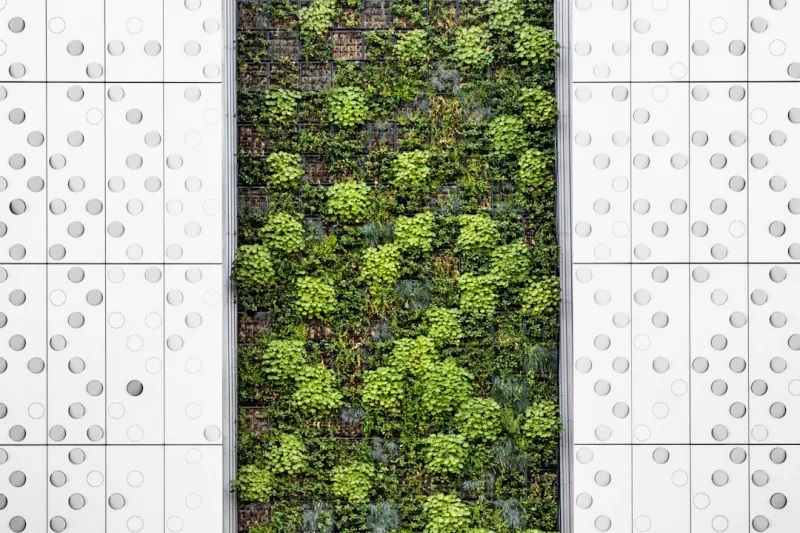
How to create a vertical garden using repurposed plastic bottles and urban space optimization techniques
Setup & Materials
By Alex • November 14, 2025 • DIY Guide
Introduction
Creating a vertical garden using repurposed plastic bottles reflects a delightful blend of sustainability, creativity, and urban gardening innovation. As urban living continues to rise, many of us find ourselves with limited space, especially when it comes to gardening. This project is perfect for those who want to grow their plants without dedicating a large area of their home or backyard to a garden. A vertical garden not only optimizes your available space but also adds a touch of nature to your concrete surroundings, enhances the aesthetic appeal of your environment, and provides fresh herbs or vegetables at your fingertips.
The process of creating a vertical garden from plastic bottles is not only environmentally friendly—it also offers an opportunity to indulge in your DIY spirit. With a little creativity and effort, you can transform waste materials into a beautiful green display. This project is suitable for beginners because it requires minimal technical skills and can be accomplished with readily available materials. You'll also acquire handy skills in recycling and an understanding of urban horticulture basics.
Moreover, a vertical garden can improve air quality, reduce noise, and even provide insulation for your home. The benefits are numerous, and when you engage in this DIY project, you’re not only doing good for yourself but also playing your part in reducing plastic waste. So, if you’re ready to breathe life into your living space by creating a vertical garden, grab your tools and let's dive into the steps!
Tools Needed
Scissors: Essential for cutting plastic bottles to the required dimensions and creating planting sections.
Drill or Screwdriver: Necessary for making drainage holes in the bottles and affixing them to your vertical structure.
Ruler or Measuring Tape: Used to measure and mark where cuts will be made, ensuring uniformity in your design.
Permanent Marker: Helpful for marking the cutting lines on the plastic bottles.
Paintbrush or Sponge: Useful if you choose to paint the bottles to enhance their aesthetic appeal or apply a protective coating.
Safety Gloves: Protects your hands from sharp edges while cutting bottles and prevents any potential injury during the building process.
Bungee Cords or Rope: Used to hang the vertical garden securely if you’re creating a vertical structure that relies on these materials.
Materials
Plastic Bottles: About 10-20 bottles, depending on your vertical garden size; recycling old water or soda bottles works well.
Wood Pallet or Wooden Frame: 1 sturdy piece for mounting your bottles; check that it's long enough to accommodate your desired height.
Potting Soil: Approximately 2-3 bags (dependent on your bottle size and plant selection) for filling your planting sections.
Plants/Seeds: Select herbs or small plants, around 5-10 varieties to cultivate; choose varieties suited for small spaces such as basil, mint, or succulents.
Paint (optional): A small can if you want to beautify your bottles; go for non-toxic or environmentally friendly paint to avoid harming plants.
Watering Can/Spray Bottle: 1 to help in watering your vertical garden efficiently post-setup.
Hanging Hardware: Such as hooks or wall brackets, depending on where you plan to mount your garden; count on 4-8 pieces for secure attachment.
Mesh or Plastic Netting: 1 sheet may be used to support soil and protect it from falling out of drainage holes as the plants mature.
Step-by-Step Guide
1. Gather Your Materials
Before beginning your vertical garden project, gather all your materials and tools in one place. Make sure that your workspace is clean and well-ventilated. It's essential to collect a sufficient number of plastic bottles, and you may want to rinse them out to prevent mold or odors. Plan how many tiers or rows of bottles you would like and ensure you have at least 10-20 bottles of similar dimensions for a visually appealing result. You should also have your soil, plants, and any aesthetic enhancements ready for use. Setting up a workspace now will streamline your project process.
Tip: For a unique look, consider using different sizes of bottles or introducing colored bottles; this can add visual interest!
2. Prepare the Plastic Bottles
Using your scissors or cutting tool, carefully cut the bottles in half. If you're employing a design that only requires the bottoms, cap them, ensuring you have enough space for the plants’ roots to expand. Before making cuts, mark the spots using a ruler and permanent marker to maintain consistency. Once cut, smooth any sharp edges by trimming or using sandpaper so that they are safe to handle.
Tip: If you want more drainage, you can also cut small holes into the bottom of your bottles; this is crucial for preventing water accumulation and root rot.
3. Create Drainage Holes
Using a drill or screwdriver, create holes at the bottom of each half (or your chosen design). Typically, 2-3 holes should suffice in each bottle to allow excess water to escape. This step is crucial, as it helps drain away the water and keep your plants healthy. Safety Note: Ensure to wear gloves during this step to protect your hands from any potential injuries from the sharp edges.
Tip: If you feel unsure about using power tools, you can navigate this step by alternately using a heated nail or a screwdriver to create small holes; both methods will achieve similar results.
4. Assemble the Vertical Frame
If you are using a wooden pallet, it is time to position it where you desire your vertical garden. You can also create a vertical frame using shelves or a sturdy panel. Attach the wooden frame securely to the wall, fence, or another sturdy surface using appropriate wall mounts or brackets. If it’s a standalone structure, ensure that it is stable and can withstand the weight of the soil and plants.
Tip: Consider leaving space between the bottles for easy access and to ensure that each plant receives adequate sunlight while watering and maintenance.
5. Attach the Plastic Bottles
Once your frame is secure, attach your prepared bottles to the frame using either bungee cords or rope. Ensure they are securely fixed so they won’t topple over. Place the bottles in a staggered, cascading fashion for an appealing look. You may also affix them using zip ties, which provide stability and security.
Tip: Position the bottles at different angles to add visual interest and aid with water drainage.
6. Fill with Potting Soil
Before planting, fill each bottle with potting soil, leaving about an inch or two from the top. Firmly compact the soil to provide stability for your plants. Use a combination of regular potting soil, and consider adding perlite or vermiculite to improve aeration. This will contribute greatly to the health of the plants.
Tip: Using soil amendments according to the plant varieties you choose can also optimize growth, especially if you're growing herbs.
7. Plant Your Seeds or Seedlings
Carefully plant your selected varieties into the now-full bottles, ensuring enough spacing for the roots and leaves to grow. If using seeds, follow the package directions for depth and spacing. For seedling transplants, gently remove them from their original containers, and ensure not to damage the roots as you place them into the bottles.
Tip: You may want to research the sun and water needs for each type of plant; grouping plants with similar requirements within the same bottle can lead to better growth.
8. Secure and Water Your Garden
Once you've planted everything, do a final check to ensure each bottle is secure. Then, with your watering can or spray bottle, give your plantings a good watering, allowing the soil to soak in the moisture effectively. Remember, new plants typically need more frequent watering than established ones.
Safety Note: When watering, be cautious of over-saturation, as it can lead to root rot, especially in a vertical structure where drainage is critical.
9. Display and Maintain the Vertical Garden
Position your vertical garden in a location with partial to full sunlight, based on the plants you've chosen. Routine maintenance is vital for your plants: Water them as needed, prune as necessary, and keep an eye out for pests. Change the watering schedule in winter, as many plants require less water during dormancy. Additionally, consider adding liquid fertilizer monthly to support their growth.
Tip: Regularly check the overall structural integrity of your vertical garden, especially after heavy rains or storms, and make necessary adjustments.
10. Monitor Growth and Enjoy
Over time, monitor your plants' growth closely! Adjust your watering schedule and sunlight exposure as needed, and enjoy the beauty of having greenery in your home. Take some time every few weeks to rearrange or replace any plants that are struggling, ensuring the aesthetic and functioning of your garden is always optimal. Keeping a garden diary can help keep track of your plants' growth and watering schedules.
Tip: Share your journey on social media! This can inspire others to engage in sustainable gardening practices.
Troubleshooting
1. Yellowing Leaves: Often a sign of overwatering or nutrient deficiency. Fix this by checking the moisture level of your soil before watering and consider supplementing with organic fertilizers.
2. Root Rot: If plants begin to wilt despite watering, they may be experiencing root rot. Ensure proper drainage in your bottles and avoid oversaturating the soil.
3. Pests: Insects such as aphids or whiteflies can invade your vertical garden. You can use a mix of water and mild soap to spray on affected areas to eliminate them.
4. Fading Colors in Plants: Lack of sunlight can cause your plants to lose color and vitality. Check their position; you may need to relocate your vertical garden to a brighter area.
5. Soil Erosion: Soil can sometimes shift or fall through drainage holes. Utilizing mesh or plastic netting can help hold the soil while allowing for good drainage.
Conclusion
Creating a vertical garden from repurposed plastic bottles is not just an exciting project; it's a statement about sustainability, ingenuity, and a passion for urban gardening. This guide provides a detailed roadmap for beginners to embark on their gardening journey, pushing the boundaries of conventional gardening while making excellent use of available space. Remember, your urban oasis doesn’t need to be expansive—what truly matters is creativity and your commitment to nurturing plants.
As you think about variations, consider experimenting with different bottle designs, such as a cascading waterfall or a grid pattern, and explore various plant species to discover what grows best in your conditions. Regular maintenance ensures your vertical garden continues to thrive while becoming an incredible visual asset to your living space.
Happy gardening, and enjoy the fresh herbs and blooms that will soon be an integral part of your home!